I visited FC Barcelona‘s Camp Nou stadium last year on April 5th, which was the day before they defeated Atlético de Madrid with two late goals. It was exciting to have walked down the same tunnel many legendary players have walked through.
Here’s a short video of the tour including the walkthrough of the locker room area and the player tunnel ending with the entrance onto the field:
And a few photos:
Lionel Messi’s 5 Balon d’Or on display at the stadium museum.
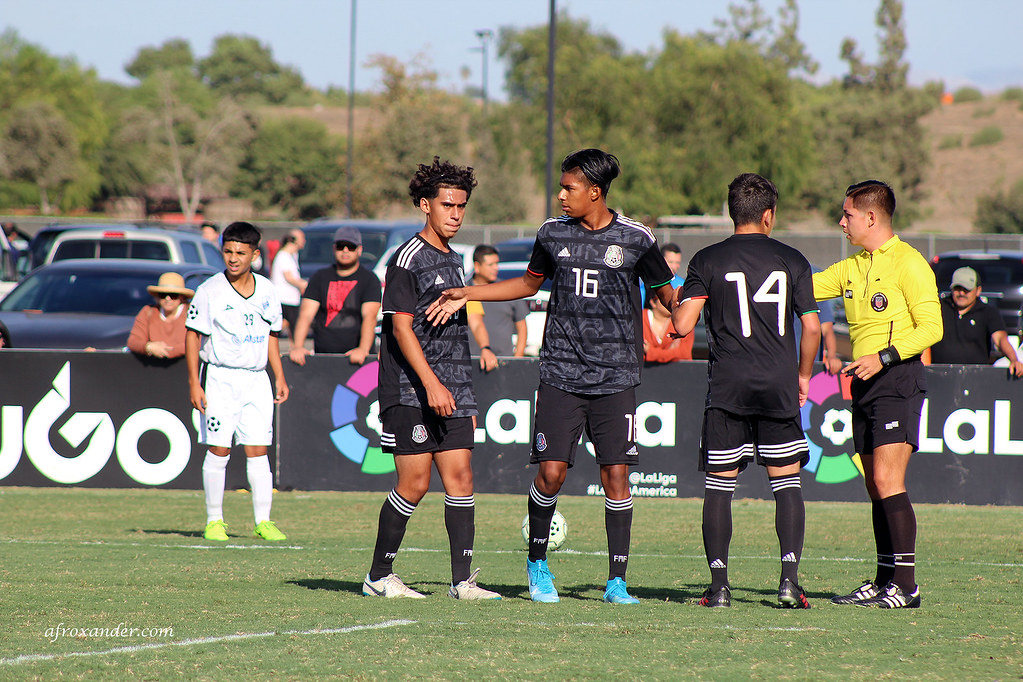
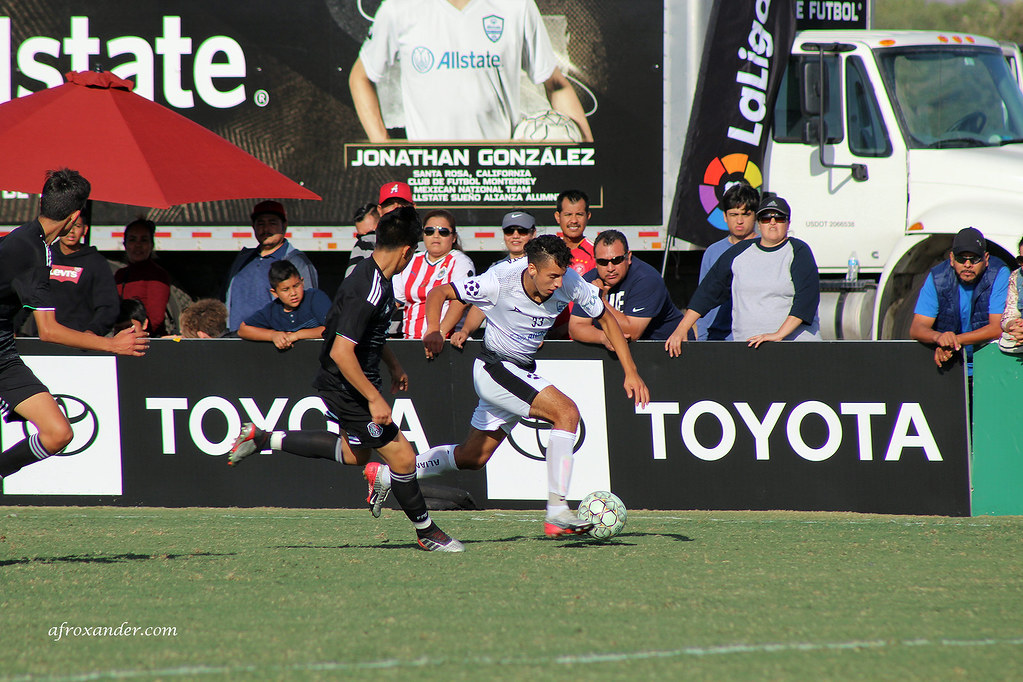
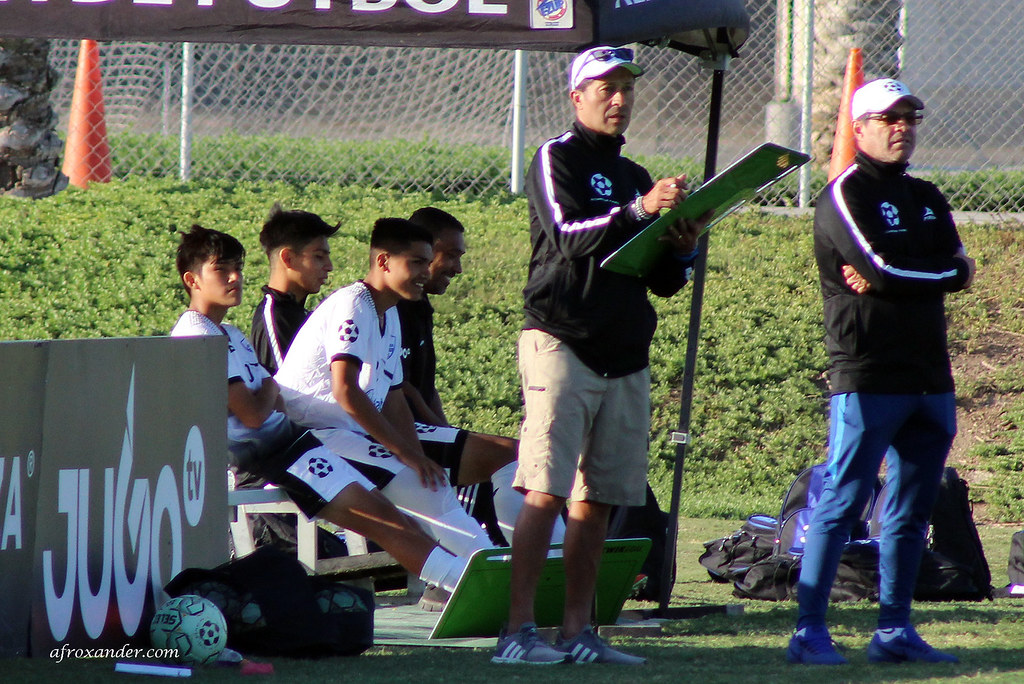
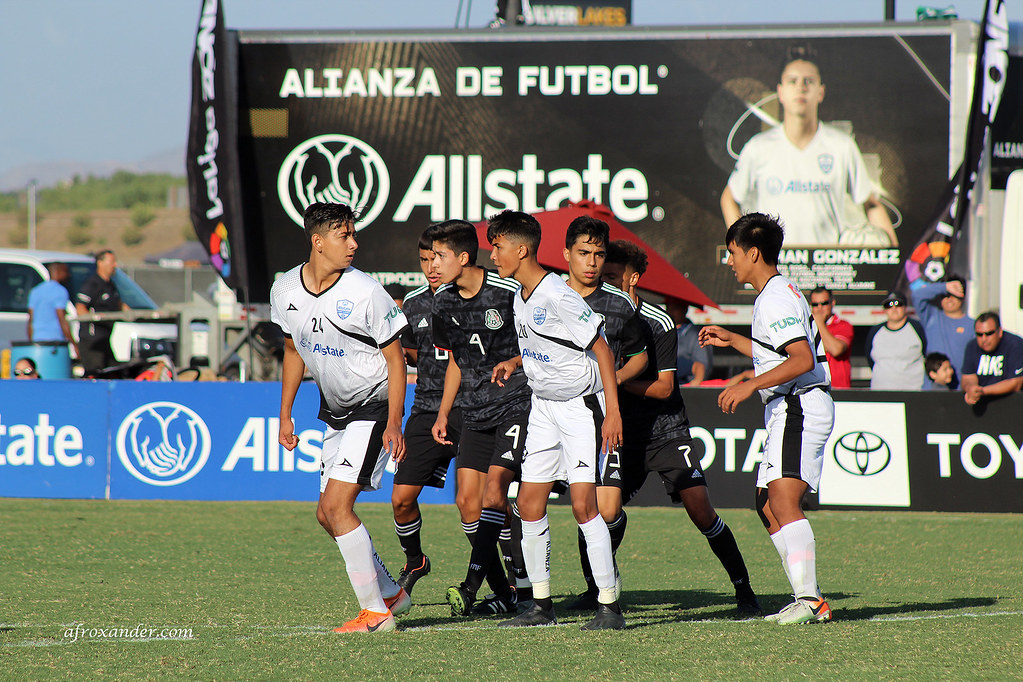
From Sept. 26th – Sept. 30th, 50 players out of a pool of 5,000 players took the opportunity to show their skills for a chance to sign a professional football contract. The Allstate Sueño Alianza National Showcase brought these young players to SilverLakes Sports Complex in Norco, CA where more than 30 scouts from Liga MX, Major League Soccer, United Soccer League, and La Liga surveyed and assessed their skills and talents.
Of these 50 players, separated by age groups in U-14, U-17, and U-20 squads, 18 will be selected by La Liga scouts to travel to Spain and compete against academy teams from Spanish clubs.
David Zavala of Grand Rapids, MI broke a record at Alianza De Futbol when he received 21 invitations from scouts at Liga MX, MLS and USL teams as well as both the Mexican and U.S. national teams.
I made another guest appearance on Resortera Wave founded & hosted by my friend Nayib Moran. We spoke about my interview with Monterrey FC & Mexico national team player Jonathan Gonzalez.
Below is a link to a research paper I wrote last year that I’ve uploaded to my Academia page. It concerns research into the growth of gridiron football (NFL-style), baseball, and basketball in the US and why association football (a.k.a. soccer) failed to grasp the country’s imagination as the other three.
Most importantly, “the game in America badly lacked willful leadership…Plenty of athletic departments and administrators may have thought soccer was vaguely a good thing, yet none seemed to possess the eagerness and ambition to lift it to greater prominence” (Wangerin “Distant” 32).
The main issue facing the leagues across the nation was the lack of a governmental body to enforce a set of rules agreed upon by all. Leagues played according to their own sets of rules, which put them at odds with each other and the fanbases they catered to. A league in St. Louis, for example, “played halves of 30 minutes instead of 45” (Wangerin, “Soccer” 29).
The AFA, founded, ironically enough, by a group of British expatriates made the first to attempt to unify the country’s leagues in the late 19th century. Unfortunately, any and all attempts at unification became power struggles between British and American leaders of the sport who “engaged in petty rivalries and internecine organizational struggles that only helped to preserve their narrow fiefdoms and the status quo at the expense of creating an institutional structure that might have been able to disseminate the sport to the vast majority of the American public” (Markovits “Offside” 53).
On Wednesday night, the LA Galaxy cancelled hundreds of tickets allocated to numerous ticket holders for Friday’s match between the Galaxy and LAFC. Why? I dove in to find out for LA Taco:
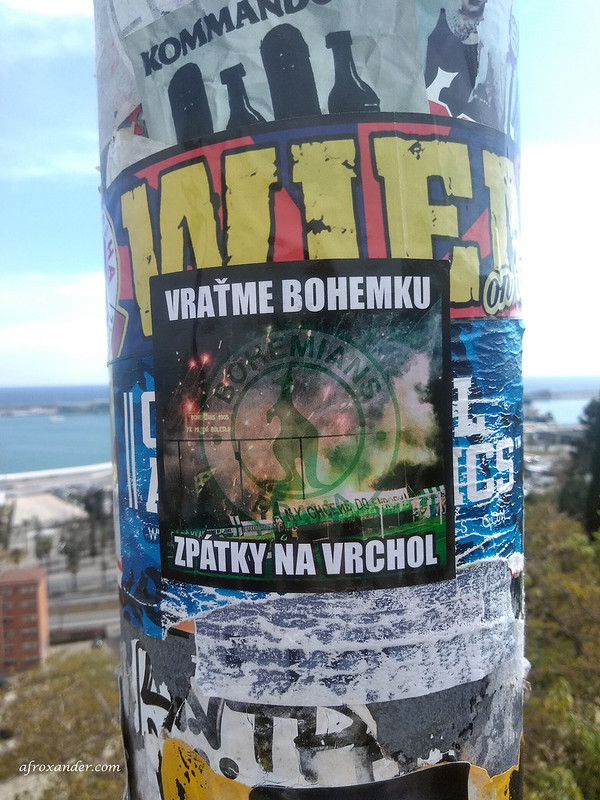
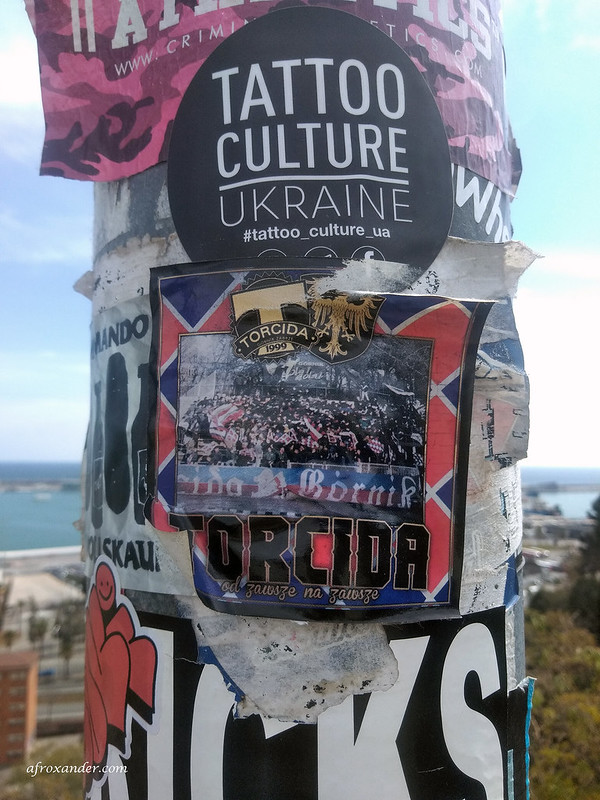
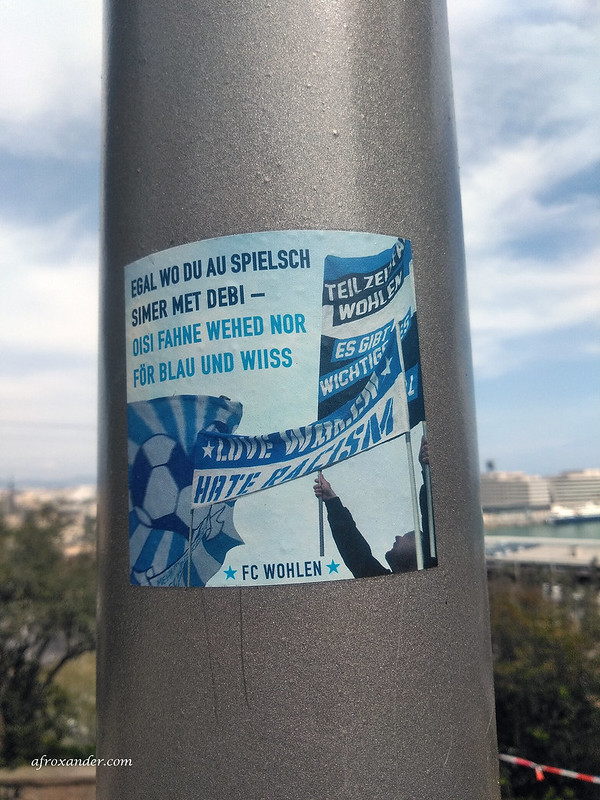
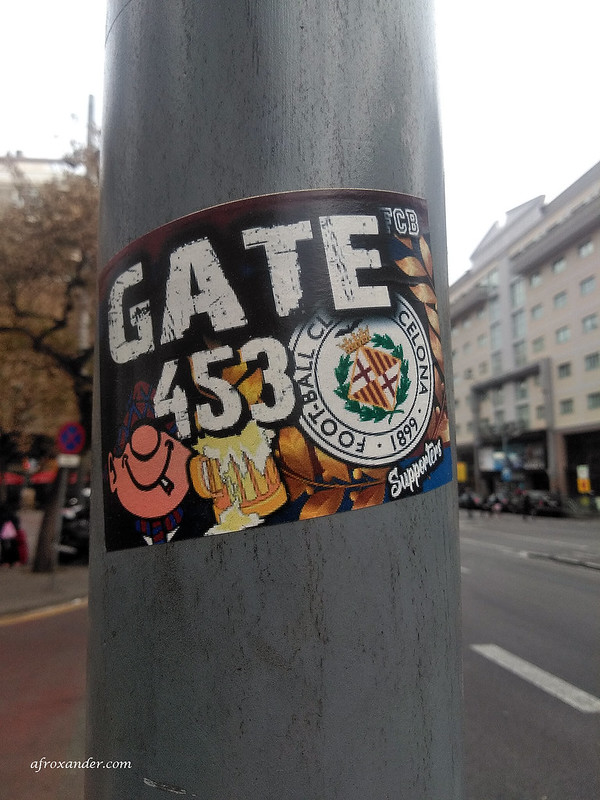
Here’s another post from my trip to Barcelona. This one’s short: a few photos of stickers slapped up by ultras and other fan groups that I found while out and about (including my own contribution).
Statue of David Beckham. Photo by Ivan Fernandez (Afroxander).
David Beckham returned to Los Angeles this past weekend to add another trophy to his extensive collection. However, this is one award he won’t be able to take home as the LA Galaxy honored its former star player with a large statue of his likeness. His is the first to grace the newly christened Legends Plaza located at Dignity Health Sports Park’s main entrance.
“This city has always felt like home to me,” said Beckham, flanked by members of Dignity Health, AEG, Major League Soccer commissioner Don Garber, Rob Stone of FOX Sports, former teammates Chris Klein and Robbie Keane, and former Galaxy coach Bruce Arena.
The link above leads to a paper I wrote (and rewrote) last year. It touches on the possibility of association football as a global aesthetic based on the ideas of Chinese philosopher Li Zehou, specifically within his work found in Four Essays On Aesthetics: Towards A Global View.
I wrote about the Los Angeles Aztecs of the North American Soccer League (1970s) for L.A. Taco:
Perolli’s crew burned through the opposition, and won the Western Division Trophy. Weeks later, they won the NASL Championship Trophy after they defeated the Miami Toros (unrelated to the former LA/SD team) after penalties. It was the first time a professional soccer final was televised nationally in the United States.
“It was one of the most exciting games of the season,” says Gregory, “because we tied the game in the last minute, three to three.”
That debut season would be the only year that the Aztecs ever won a title. Their sister indoor squad didn’t fare any better as they won a single division championship in their final year, 1981. Gregory sold the team after the first season. He and Perolli accomplished the goals they set for that first year and he wanted to focus on his medical career.
“It grew so fast that it grew right out of my hands,” he remembers. “I was a doctor and I was actively practicing and I could never have handled it after that.”










 Afroxander (aka Iván Fernández)