
I almost missed out on the Copa América this year. I attempted to sign up for a press pass as I normally do for a balompié tournament in the US. I say attempted because, unfortunately, the application page for credentials via CONMEBOL left me with more questions than answers I could provide to the ones listed on the request form.
As a friend of mine at ESPN noted: “dude it’s a mess lol – there’s gonna be mistakes and some angry people this summer haha.”
I’m not sure how many mistakes were made via the application…but there were plenty of questionable choices and decisions that the higher-ups at CONMEBOL made before and during the tournament, which resulted in the many ridiculous and/or terrible stories you may have already seen by now: from the insanely priced food served in the media press room at SoFi stadium to the horrifying scenes at the final in Miami.
I witnessed the result of CONMEBOL’s questionable leadership first-hand, early-on in the tournament during my brief stint as an official volunteer for the Copa América 2024. A journalist friend of mine at the L.A. Times shared information on how to enroll as a volunteer at the tournament. It was my best chance to at least attend the two group stage games at SoFi Stadium in Inglewood.

The application for volunteers was mercifully easier to complete than the one for journalists. There were numerous categories listed for applicants to choose from depending on their skills and preferences. These were: Training Site, Competitions Support, Team Services, Antidoping, Security, International Relations, Commercial Operations, and Media Operations. The Media Operations option was divided into additional subcategories: mixed zone, conference analyst, press conference analyst, photo analyst, press conference support, and press tribune analyst.
I chose to volunteer in Media Ops as a photo analyst. I submitted my application on May 15. I was approved on June 12. Communication between the Volunteer Coordinators and us volunteers moved quickly from email to WhatsApp the next day. Everyone received their schedules according to their roles at the stadium and every group split into different chats.
This is when the fun began.
On the morning of June 19, we were informed that “Conmebol and Sofi Stadium are requesting a walk through this Friday 9am.” That’s Friday, June 21. A 48-hour notice for people who aren’t getting paid, many of whom have day jobs and many whose commute to the stadium resembled a skit from SNL’s The Californians. Welp!
Thankfully, there was a simple solution: we were given the options of showing up on Saturday or Sunday. I arrived on Sunday and met the coordinator in charge of credentials along with a few other volunteers in different categories. Our coordinator looked exhausted and the first game was still over 24 hours away.
Credentials in hand, we waited in what had been designated the official office/work/meeting area for the volunteers, the so-called Family Room, that we shared with other coordinators and a few important-looking members of CONMEBOL. The area was two large offices with a door providing access between them. This was also the area where we would eat during match days as both offices had a buffet table, sinks and fridges.
Speaking of which, I was amazed that we volunteers were offered better meals than any member of the media did during match days AND free of charge. I’ve attended dozens of games as a photographer or as a journalist and never once did I ever have to purchase my own food. It’s typically a given that all members of the media are provided with a meal. A fun pastime between me and a few friends throughout the years is noting the difference in meals provided for the writers in the press zone versus those provided to the photographers on the field. Imagine being served a nice meal on a dinner plate versus being served a boxed lunch on a school field trip and you’re on the right track.
That being said, I was shocked to learn that my journo peers were asked to pony up $25 for a hot dog and even did a triple take when I saw a peanut butter & jelly sandwich priced at $28 alongside the options of a grilled club or roast beef sandwich. I think I added a few wrinkles to my face and forehead from how widely I opened my eyes.
One veteran newsman I spoke with later in the week gave me his take on what he believed happened: CONMEBOL chose to not pay for the meals/buffet, leaving everyone in media to pay for their own food. Which lead me to wonder: did they ONLY skip paying for SoFi or at other stadiums too? And why only skip one stadium if that’s the case?
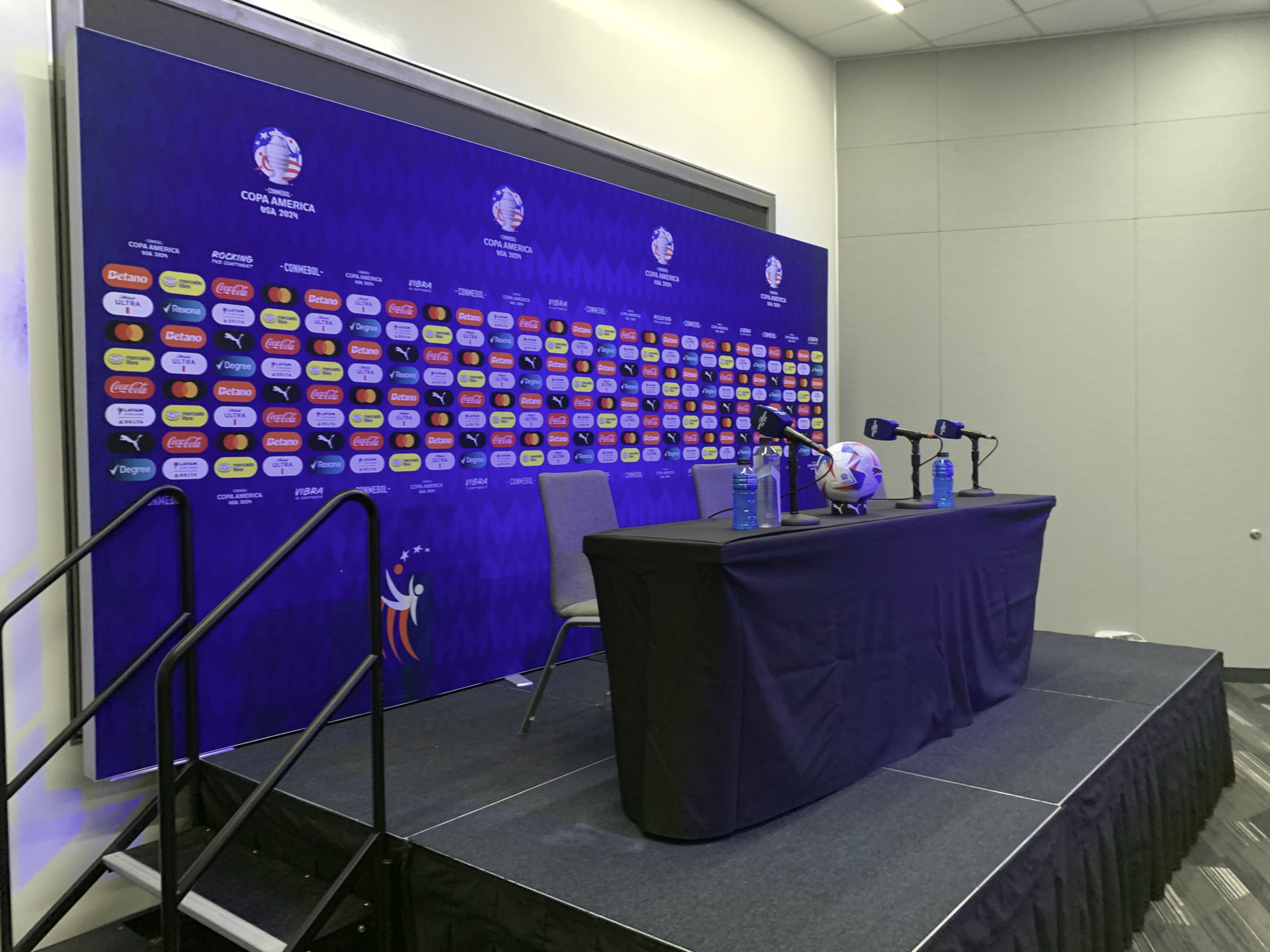
Back to the Sunday before the Brazil v Costa Rica match: after receiving our credentials, we then received our “work shirts” that designated us as volunteers at the event. Later, we went on a tour of the areas of the stadium we would possibly work at, including the stadium entrance where credentialed media would enter, the path we would lead them from that entrance to the media room to check in/receive credentials, the room for pre- and post-game conferences, team locker rooms and, last but not least, the field.
We stayed on the field for close to two hours to assist with the training for the opening ceremonies. Volunteers practiced walking out of the player tunnel / VIP area as player escorts. Other volunteers practiced carrying and waving the large tarps with the logos of the federation and the tournament.
At some point during these trainings, another coordinator pulled me aside to assist with another assignment inside the stadium. Minutes later, I found myself inside the locker room that Brazil used to help fill up the fridges with water and Powerade. I wasn’t sure if either Mexico or Venezuela used this locker room for the second match. Either way, it was fun to consider the thought of players like Rodrygo or Endrick drinking from a bottle out of a fridge I stocked.

Then came the Sunday night bombshell: what to do about parking. We were promised information about where to park during the games by the same Friday we were all originally asked to tour the stadium. That information didn’t arrive until Sunday night after everyone who had attended the day’s training had already left home.
Our director informed us he (finally!) received parking passes, but not enough for everyone AND they were physical, not digital, passes and we’d have to collect them in person. Could we please carpool and pick up our passes at 2pm on Monday? Not a problem…except some of us were asked to arrive as early as noon on gameday…and how are we supposed to pick up our passes if we have to present a pass to enter? Oh man…
“There has been a lot [sic] misinformation and miscommunication” was one of the kinder, gentler comments left in the chat during these hours. It was no fault of our director who was the middle man between us and the CONMEBOL employees calling all the shots to pass down to us lowly peons.
“I have heard comments from media already before today,” wrote another volunteer, who I met later in the week and has decades of experience working in different operative and media roles, paid and unpaid. “Copa America is set to make an impression in LA but at this point, it will not be the impression it wants. There is time but something has to change.”
I would also “hear comments” from media later in the week.
My personal solution was to arrive no later than 1pm and hope that things would work out. Thankfully, they did, not only for myself but others as well. Word made it to security handling parking that day and, thankfully, all we had to do was show our credentials to park in Lot E just a two-minute walk from the media entrance. Crisis (mostly) averted!
All volunteers met and waited in the Family Room to await orders. Our coordinators arrived and we split off into different groups. I and a few others went upstairs to the media/press room to prepare the space for members of the media. We were then split off again; some remained in the press room while I and others were sent downstairs to the main passageway on the ground level of the stadium (aka the 3rd level). Our task was to guide journalists from the stadium entrance to the elevator that led to the entrance of the press/media room. An easy task and a great way to meet journalists from Costa Rica and Brazil who travelled to cover the game.
The gates to the stadium were still not open for the general public and I was surrounded by hundreds of gameday staff preparing to work as ushers, security and hospitality, along with the trickle of journalists entering the stadium.
Our coordinator eventually reappeared and swapped us out with other volunteers so that we could return to the Family Room to eat lunch. Once again, I would like to take this time to share my shock at how we volunteers were fed better than members of the media. It’s not that I expected we be starved or fed nothing other than a box of raisins and a cup of water, but I at least expected media would be given access to a buffet, which is the usual common practice and was true of those of us downstairs in the Family Room.
Anyway, at some point while eating my lunch, I overheard a conversation at a table close to mine between about a half-dozen men and women in very professional dress.
“When Neymar arrives, what is his entourage? Do we know how many people are with him? Or is he coming alone with some bodyguards?”
That is how I learned that the rumors of Neymar appearing at SoFi Stadium to support Brazil were true. The conversation continued for a few minutes and focused on the logistics of identifying the vehicle Neymar was in to park him in VIP, how to get him and his entourage into the stadium quickly and safely, where to sit them and how to get him into the tunnel to visit and support the team.
I finished my lunch and eventually returned back to my post where another coordinator informed me he would return before kickoff to move me to another area to work. At 4pm, the gates to the public were opened and the first person I saw enter from my area was a boy no older than 8. He was dressed in a Brazil jersey and had the Brazilian flag around his neck like a cape. He ran past me, alone, and looked onto the field, stopped and stood silently in complete awe of the field. His parents and sister (I assume) appeared seconds later and he turned to his dad and yelled “THIS. IS. AWESOME.” Hell yeah it is, little man!

More people arrived, the stadium filled and we were minutes away from kickoff…and the other coordinator had not yet returned, as promised, to relieve me of my current duty. I looked around and he was nowhere to be found.
Thirty seconds from kickoff and he still wasn’t there, so I did what anyone would do in my situation: I tucked my credentials into my shirt and stood at the nearest, best vantage point to watch the game with everyone else!
I watched more than a half hour of the first half before giving myself a personal tour of the rest of the stadium through about the 65th minute of the second half. That’s when I decided to head back down and see if I could assist elsewhere.
I was then placed to assist in the mixed zone, which is the area that is setup for journalists to interview players after a game. My job was basically as an usher to guide the journalists on where to setup: one side of the mixed zone was specifically for “rights holders,” those journalists who are members of media invited/contracted to cover the game, such as TUDN, and non-rights holders on the other side, aka journalists and media who applied separately to cover the game/tournament.
What was weird about this mixed zone in particular was that we had to collect the media day card to allow them into the zone. Take a peek at the photo of my credential below:
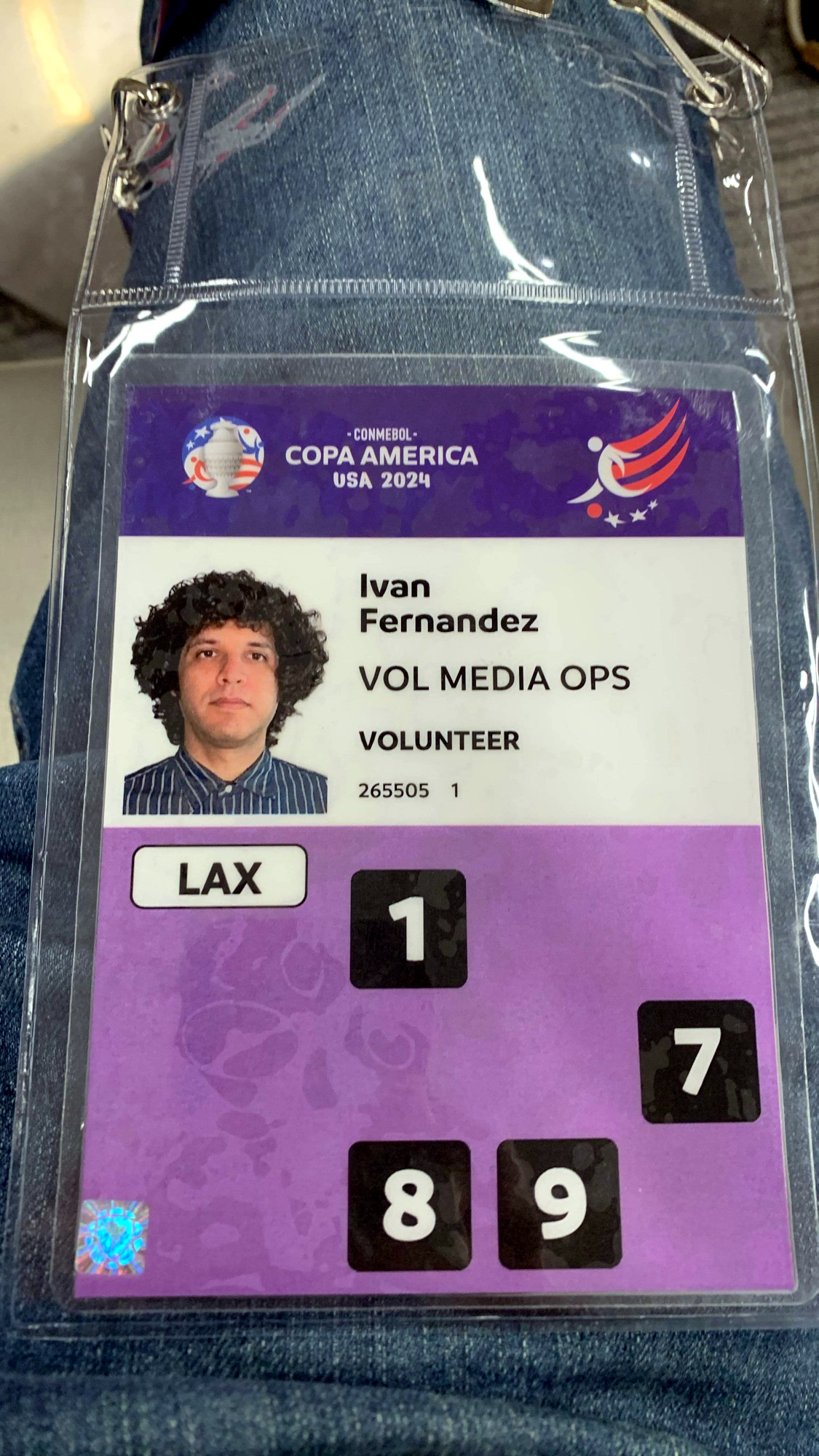
The large portion that makes up most of the credential includes my name, job title, stadium I’ve been approved to be at (LAX for SoFi), and the areas I can access as shown by the numbers on the credential. The numbers on my card gave me access to the field of play, media area, photo room and broadcast area.
The smaller rectangular portion above that is empty is for the match day card. In some tournaments, the host will choose to create one large credential like the one above with a space for a match day card. Everyone who has been credentialed is then required to collect the large credential first, then collect a match day credential on the day of the game or games they plan to cover.

The image above shows the two cards I used as a volunteer. Match 07 is for Brazil v Costa Rica and Match 11 is for Mexico v Venezuela. Back at the mixed zone, we were tasked with collecting these passes from rights holders and non-rights holders alike to count the number of media members that showed up to the mixed zone and compare that number with the total amount of media members registered at the game.
It was a confusing way to do things that also slowed things down. This type of problem is typically handled ahead of time by having media apply for the mixed zone as part of their application. So…did the application not include that in the first place or…what happened? Another strike for CONMEBOL!
The good news is that it didn’t create a problem despite slowing things down because the Brazilian team didn’t step out into the mixed zone until almost two hours after the final whistle. The game began at 6pm. It ended at 8pm. After a game, each team’s coach spends a few minutes in the press conference room to be interviewed by the press, then returns to the locker room and leads the team out to the mixed zone. This process shouldn’t take more than an hour. Brazil’s squad and coach didn’t step out onto the mixed zone until a quarter to 10pm.
“Ratas,” said one Brazilian journalist who I spent most of the time joking and speaking with in the mixed zone. “These guys are ratas.”
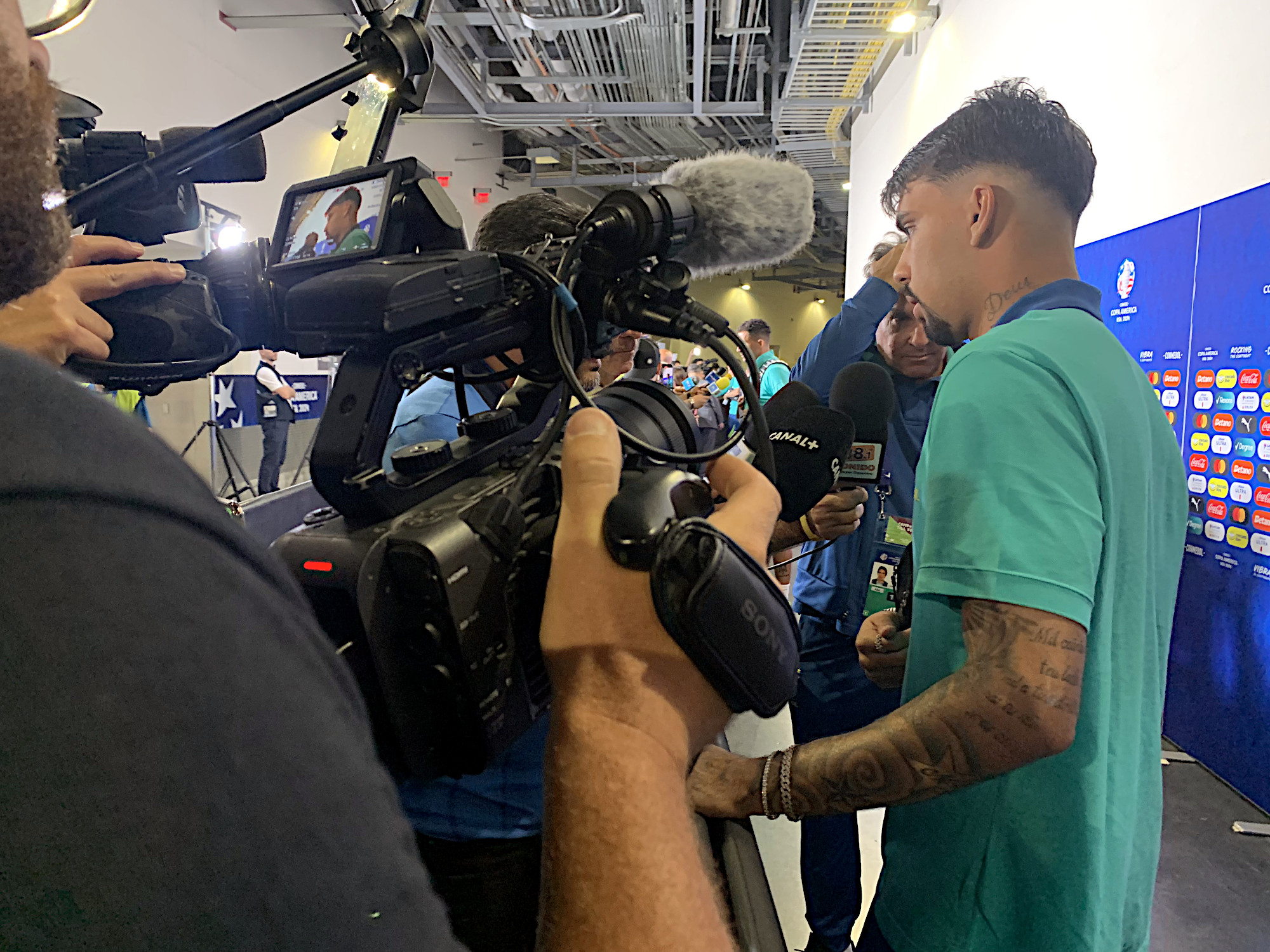
The team eventually stepped out for interviews and NOBODY looked happy. Most of the players walked past as quickly as possible and avoided making eye contact. The ones who caved stopped and spoke about the game. My Portuguese is terrible, but you needn’t be a Rhodes scholar to understand the vibe of what was said.


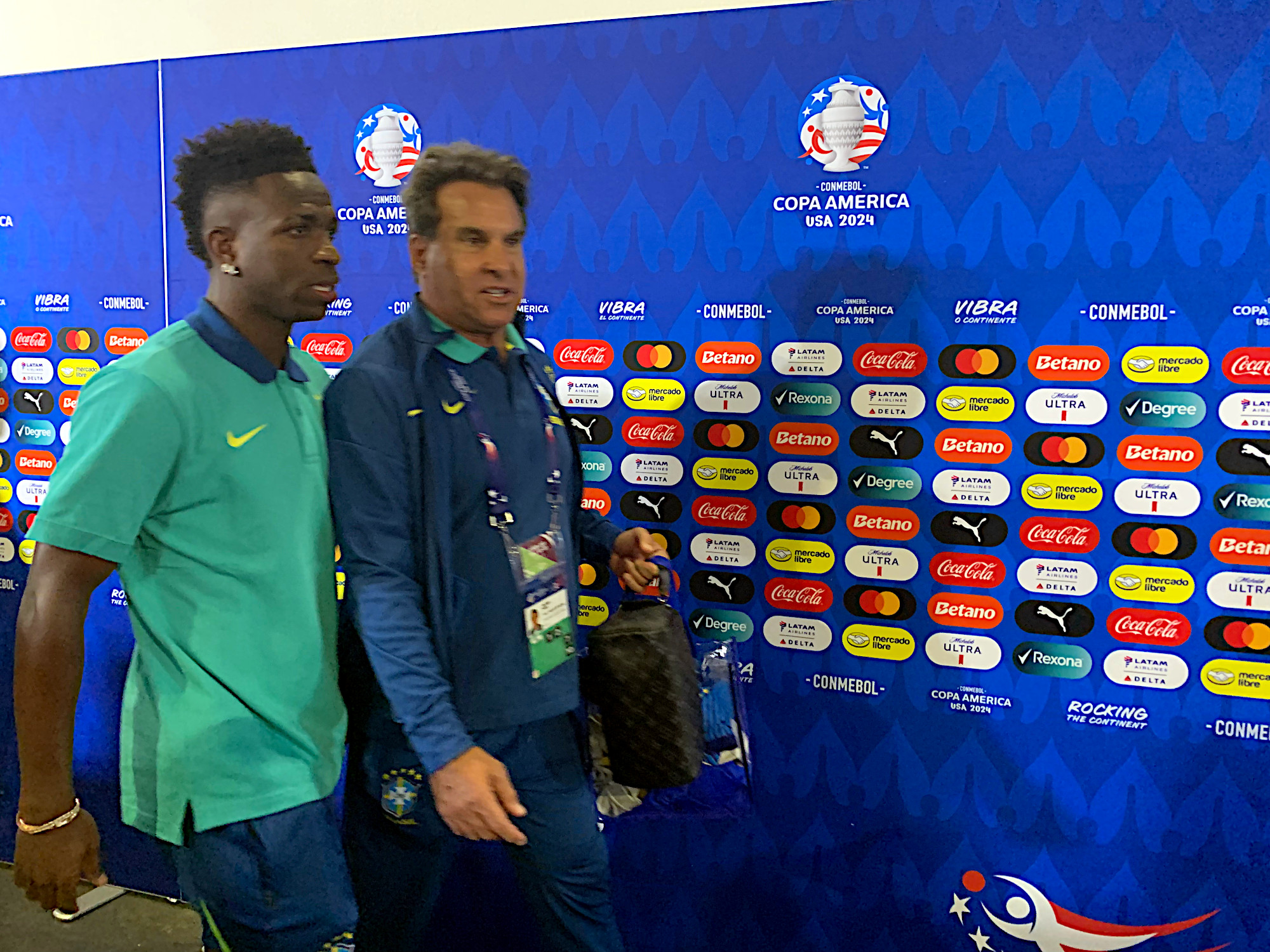
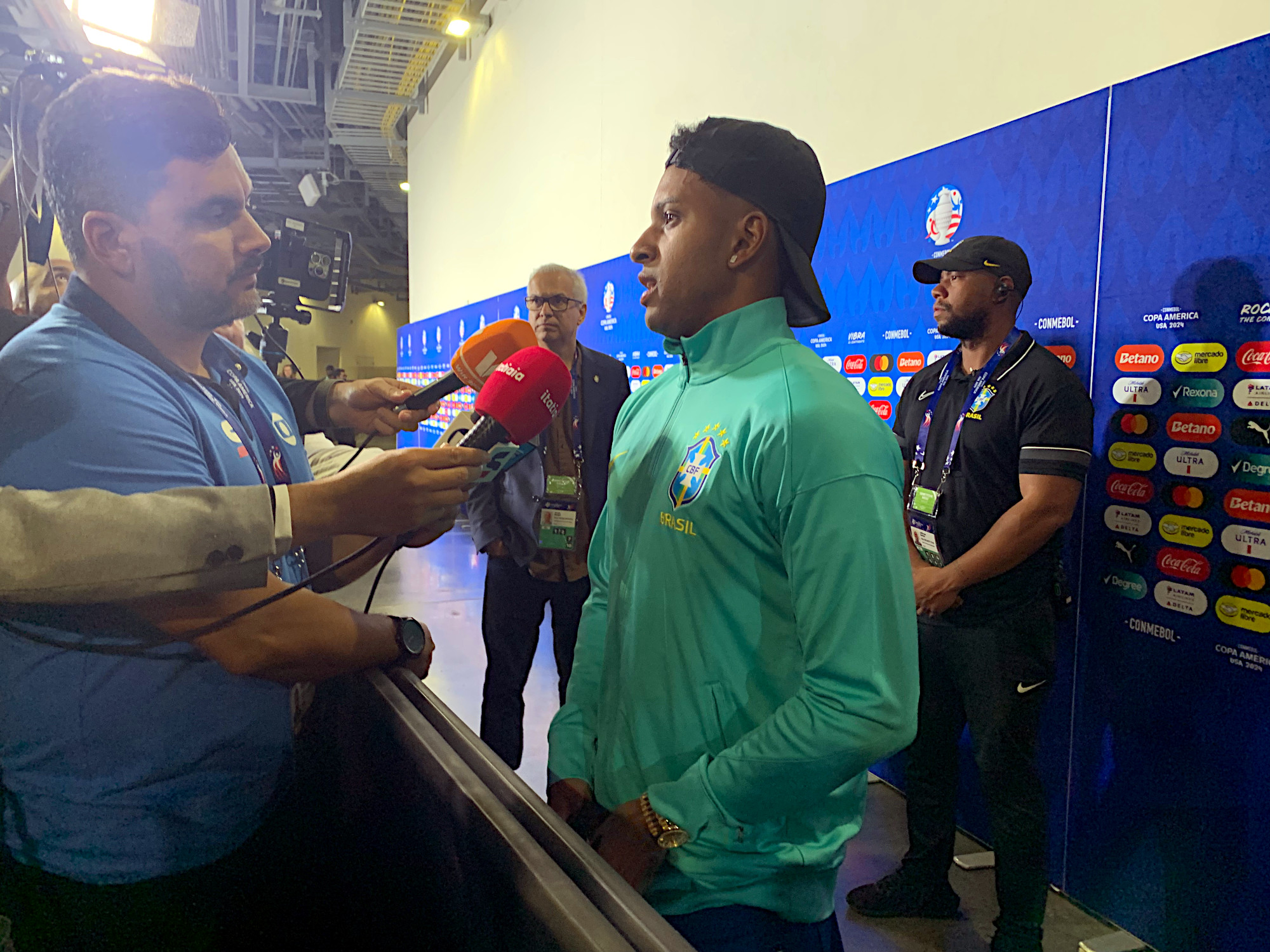
Monday was finally over. Tuesday was a day off. Wednesday, we did it all again for Mexico v Venezuela.
I arrived early again, just in case the parking situation had changed without our knowledge and boy was I correct! The guard at the lot I parked at on Monday informed me that all volunteers were required to park in the Red Zone, which is the parking lot for SoFi employees. Our credentials would get us in. It wasn’t a huge change but it did require entering the stadium from a different street (an entrance on the south of the stadium instead of the north) and it was a bit of a further walk than from the lot we parked at two days earlier. It was fun to be around stadium employees and fun to be invited into their unique camaraderie.
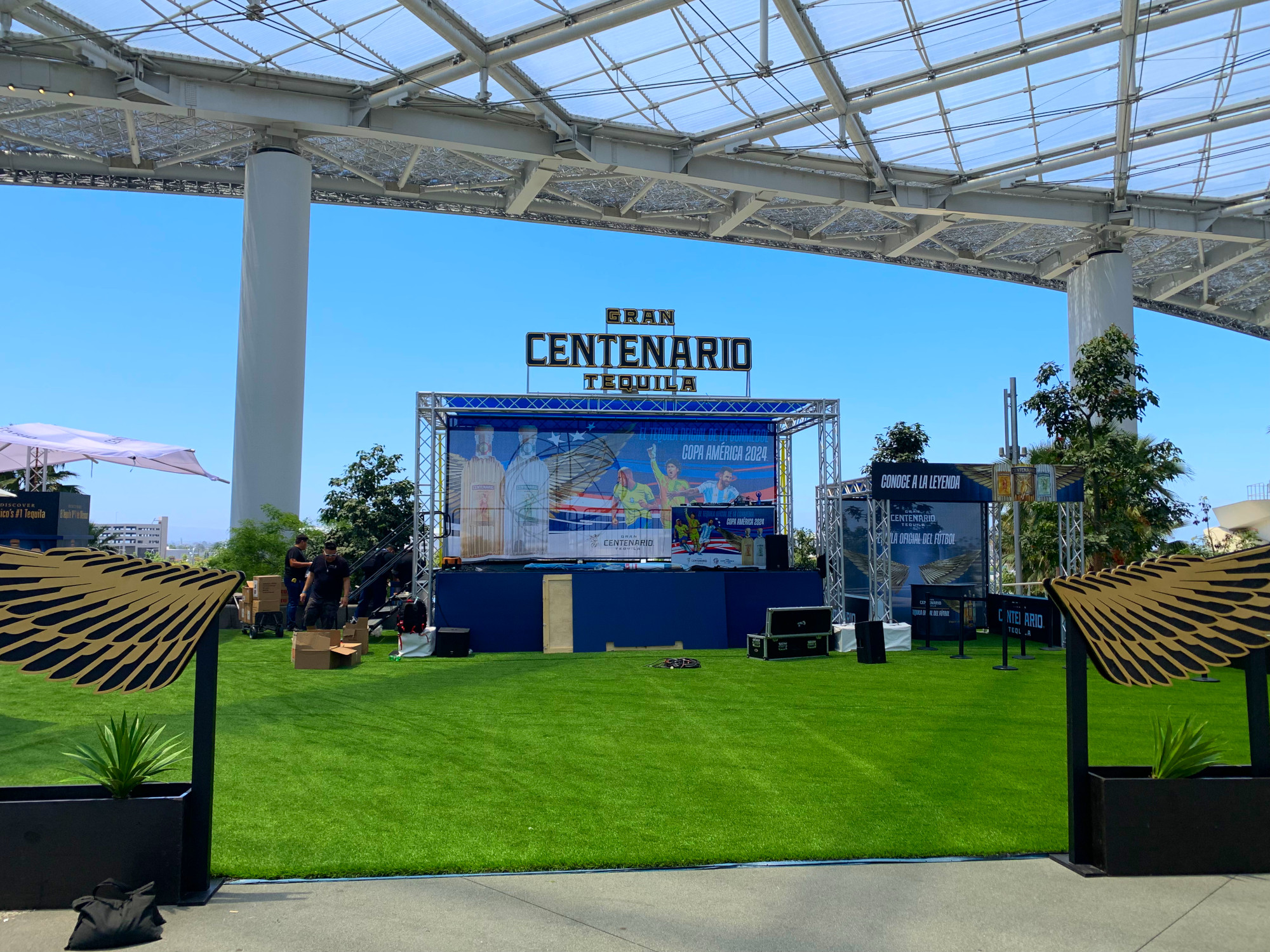
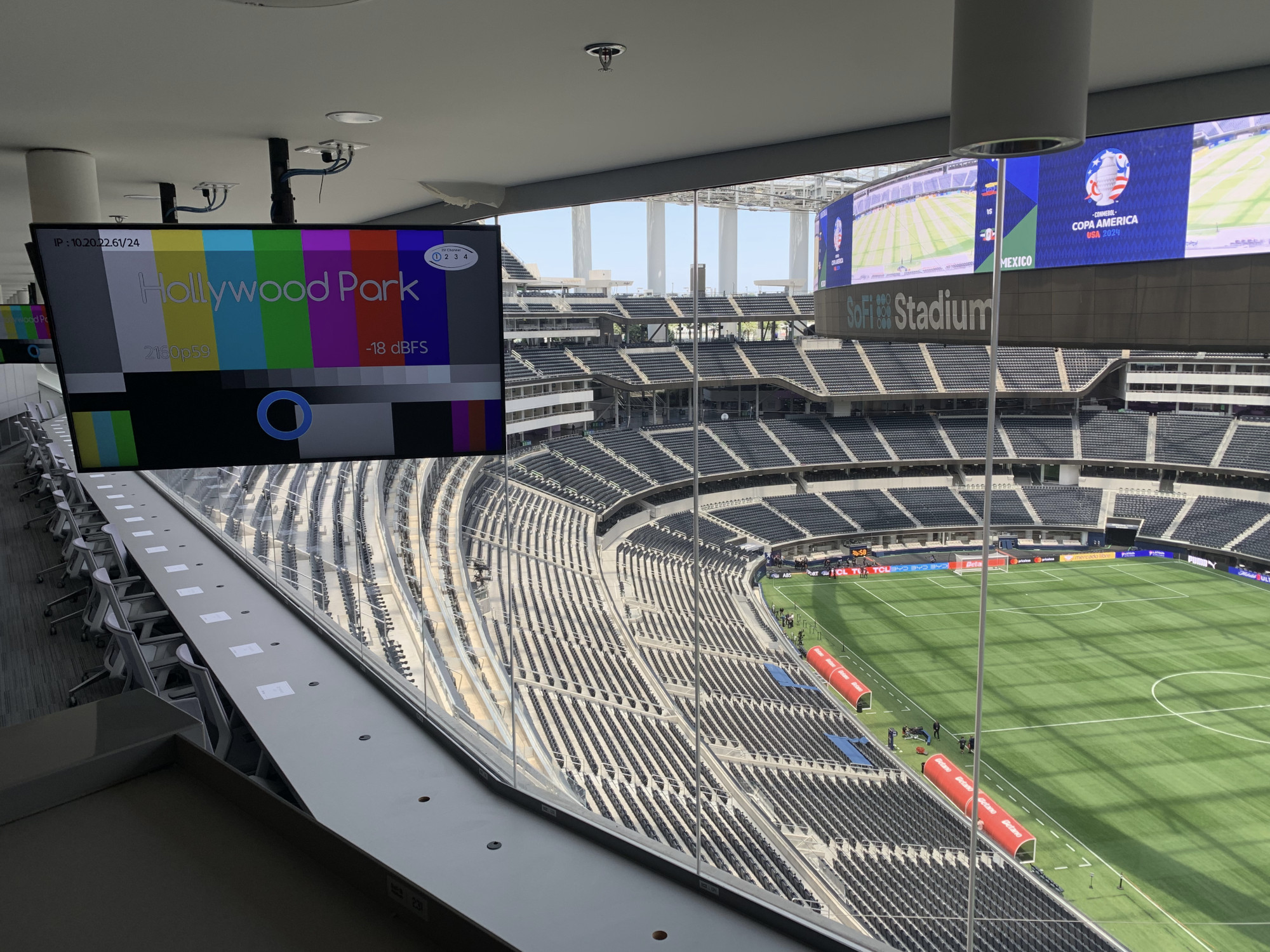
I was incredibly early, so I decided to spend some time to take in the stadium before the madness of the Copa took over:


I had a chance to stop by the press conference room with a trio of other volunteers where we bumped into a few friendly faces. That’s where I spoke with the journalist acquaintance I mentioned earlier who explained why he thought media were charged for food. He was also frustrated with the dysfunctional CONMEBOL website journalists were forced to use to navigate specific requests to do their job.
For example, he and about a dozen other journalists were in the press conference to speak with CONMEBOL representatives who were tasked with manually correcting and fixing whatever problems they encountered with the website. In this case, they had all used the website to request access to the mixed zone and the post-game conference. None of them could complete their requests because the website took them on a never-ending circular loop from the selection page to the confirmation page. Maybe this answers my previous question from Monday’s mixed zone experience!
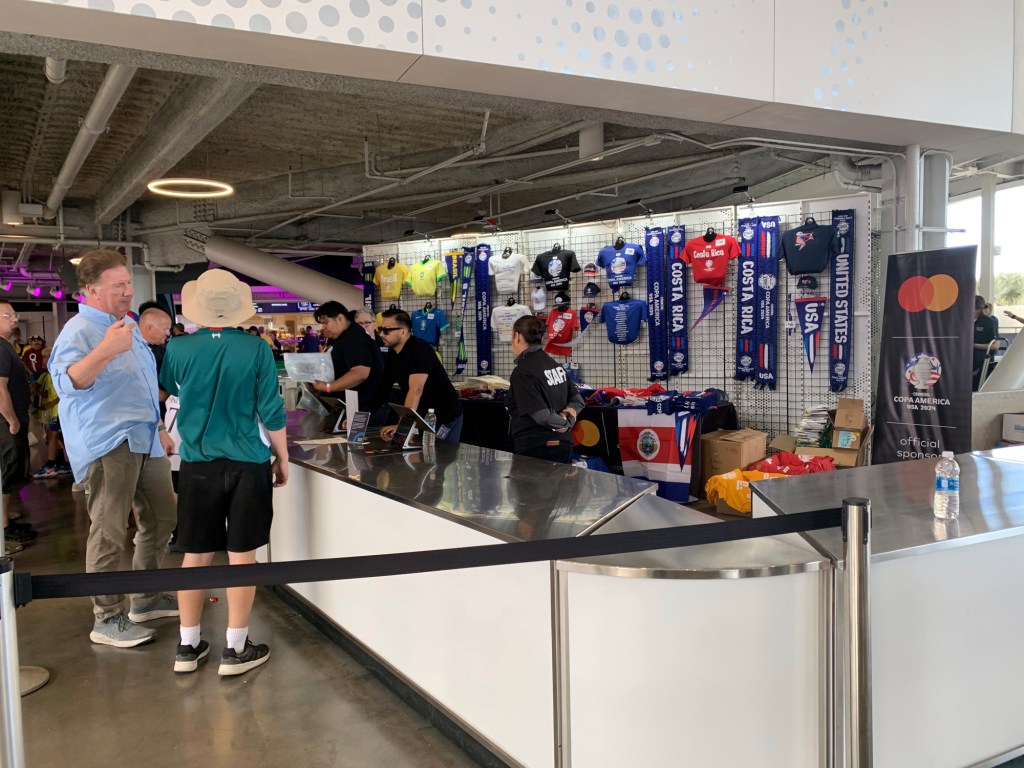
I was again tasked with guiding media members from the gate to the press/media room for about two hours. I caught Gibran Araije recording a pre-game segment near the merch area.
I was then pulled away to work as a photo analyst, which is a fancy term for helping in the photographer’s workroom and on the field behind a set of photographers.

I and a few other volunteers filled and refilled the water and Powerade bottles in the workroom before kickoff. A minute before the teams walked out, we were given the greenlight to access the field where we stayed for the entire game.
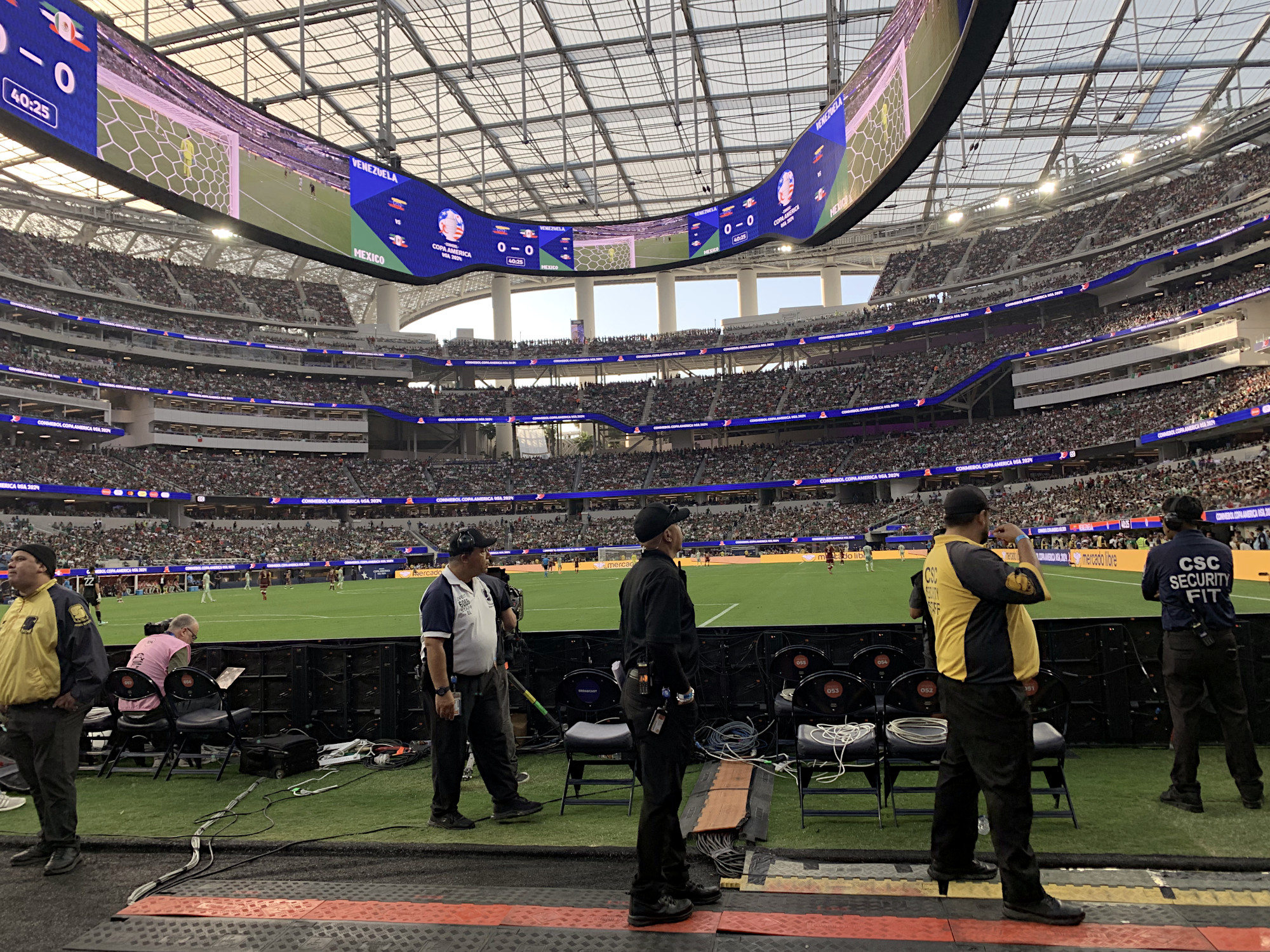
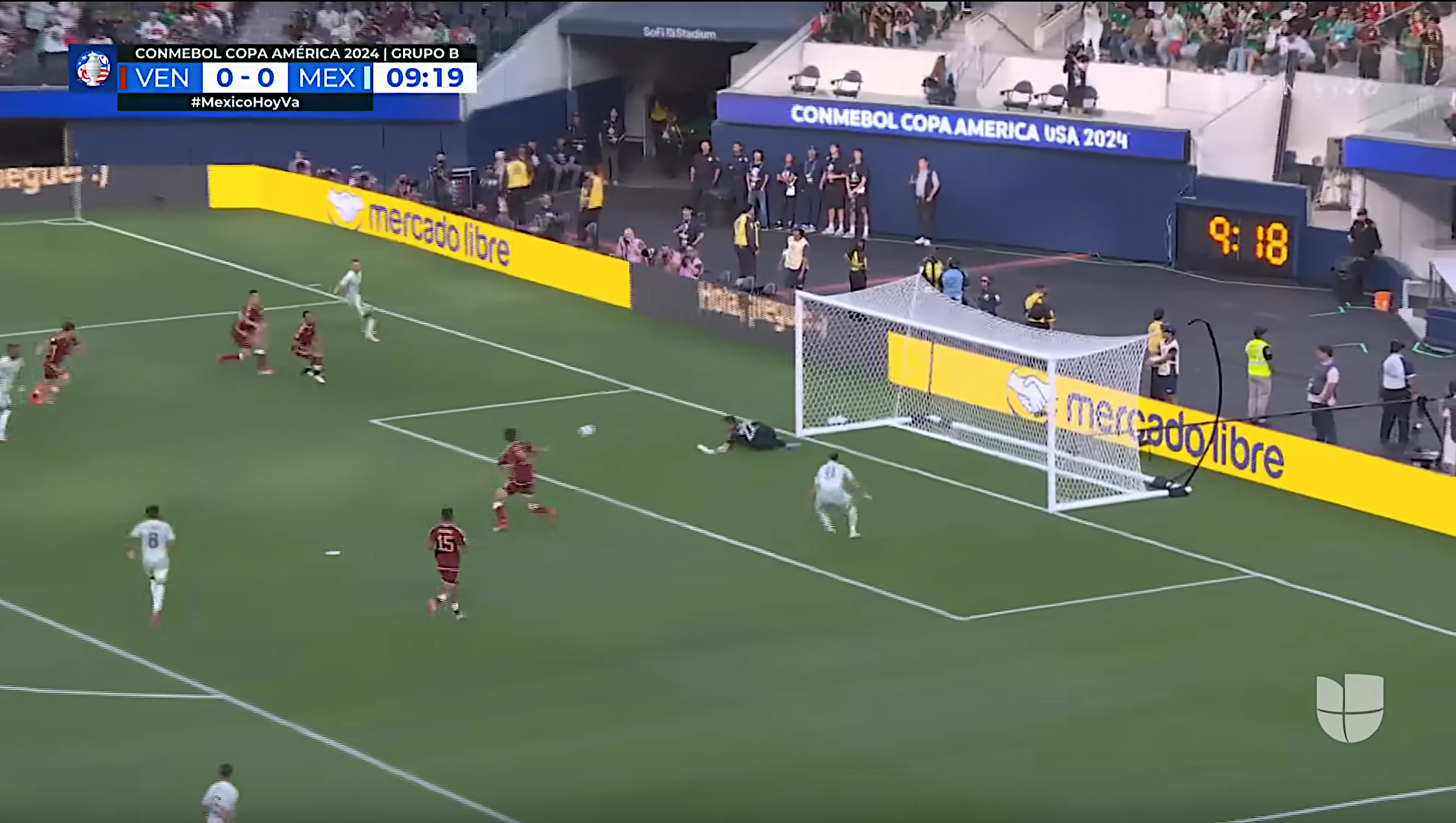
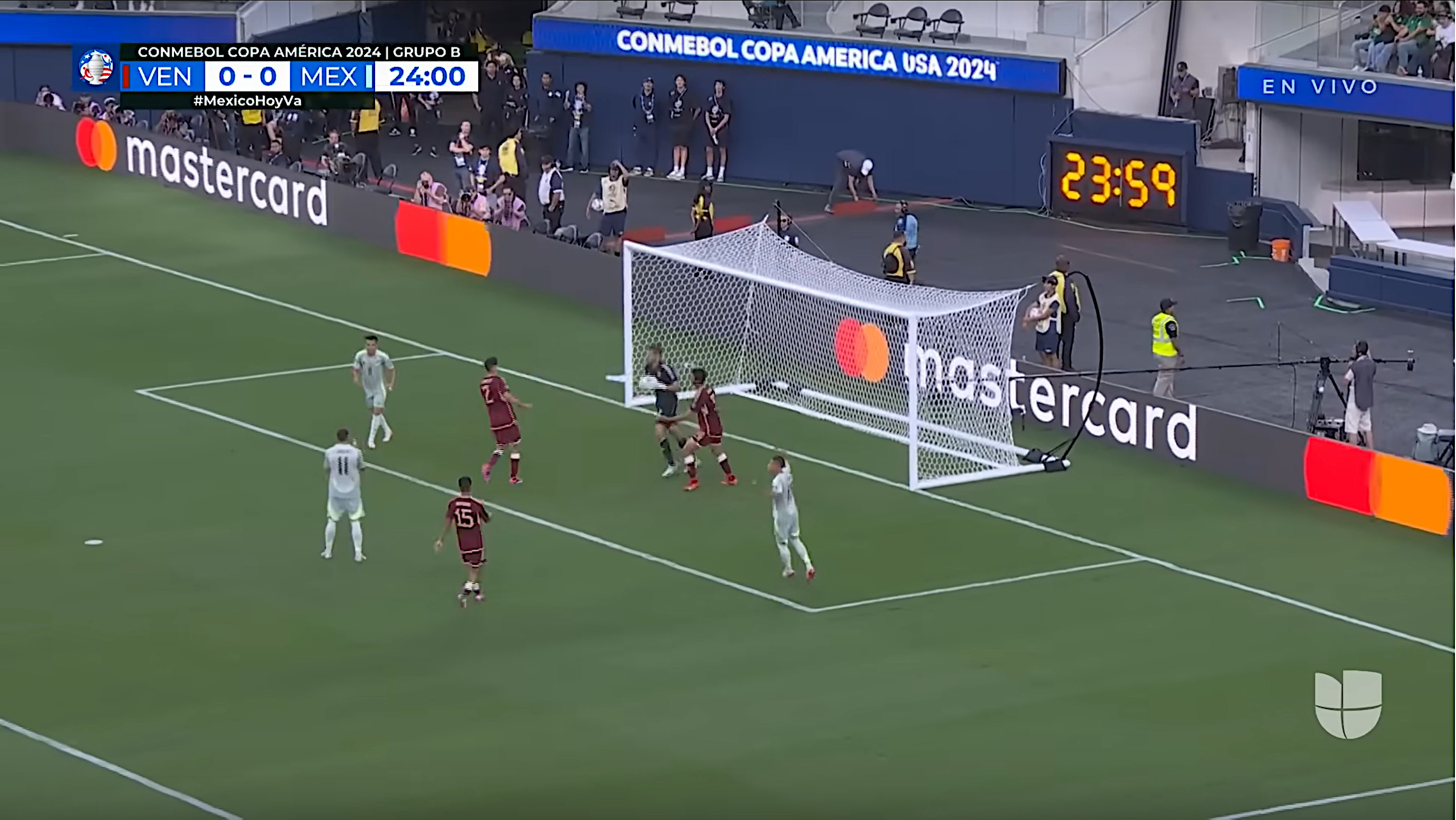
Allow me to share a little trick I learned after years of working at games as a photographer. There are two great places to sit to shoot photos AND appear on television. The first is between the goal and the corner kick closest to the side of the field without the team benches. The second is on the side of the field directly across from the team benches.
That’s how you end up on TV like this:


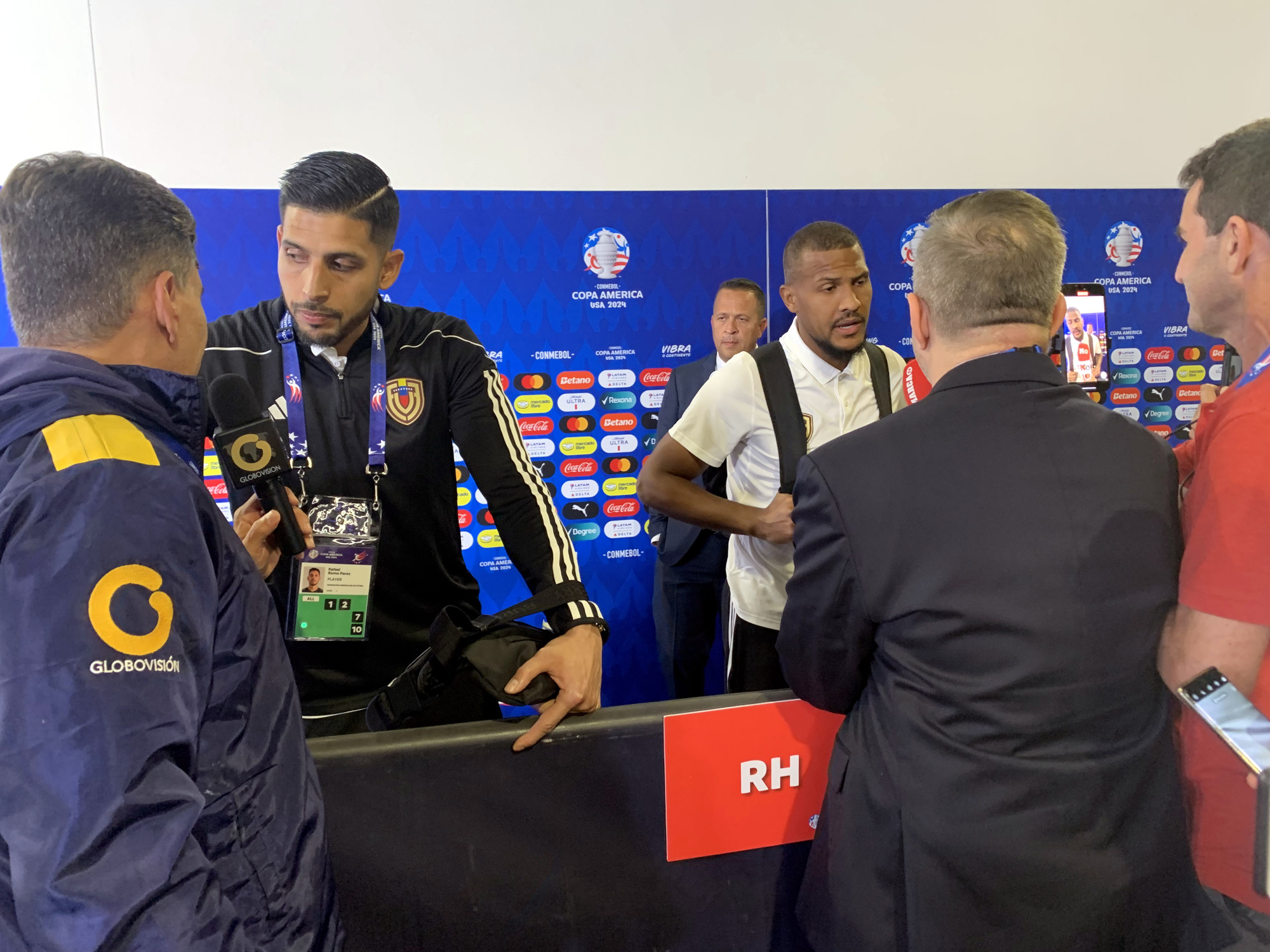
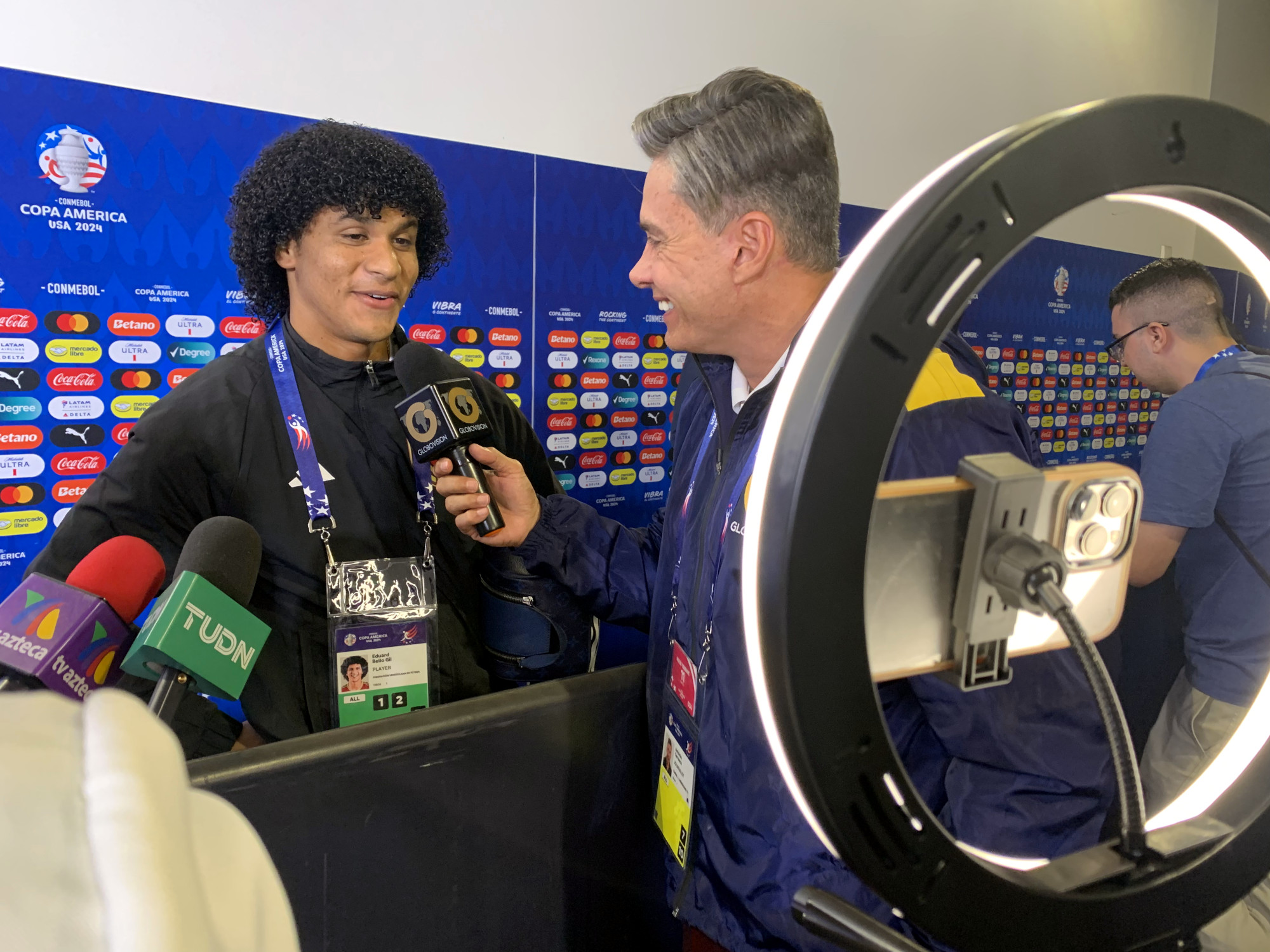
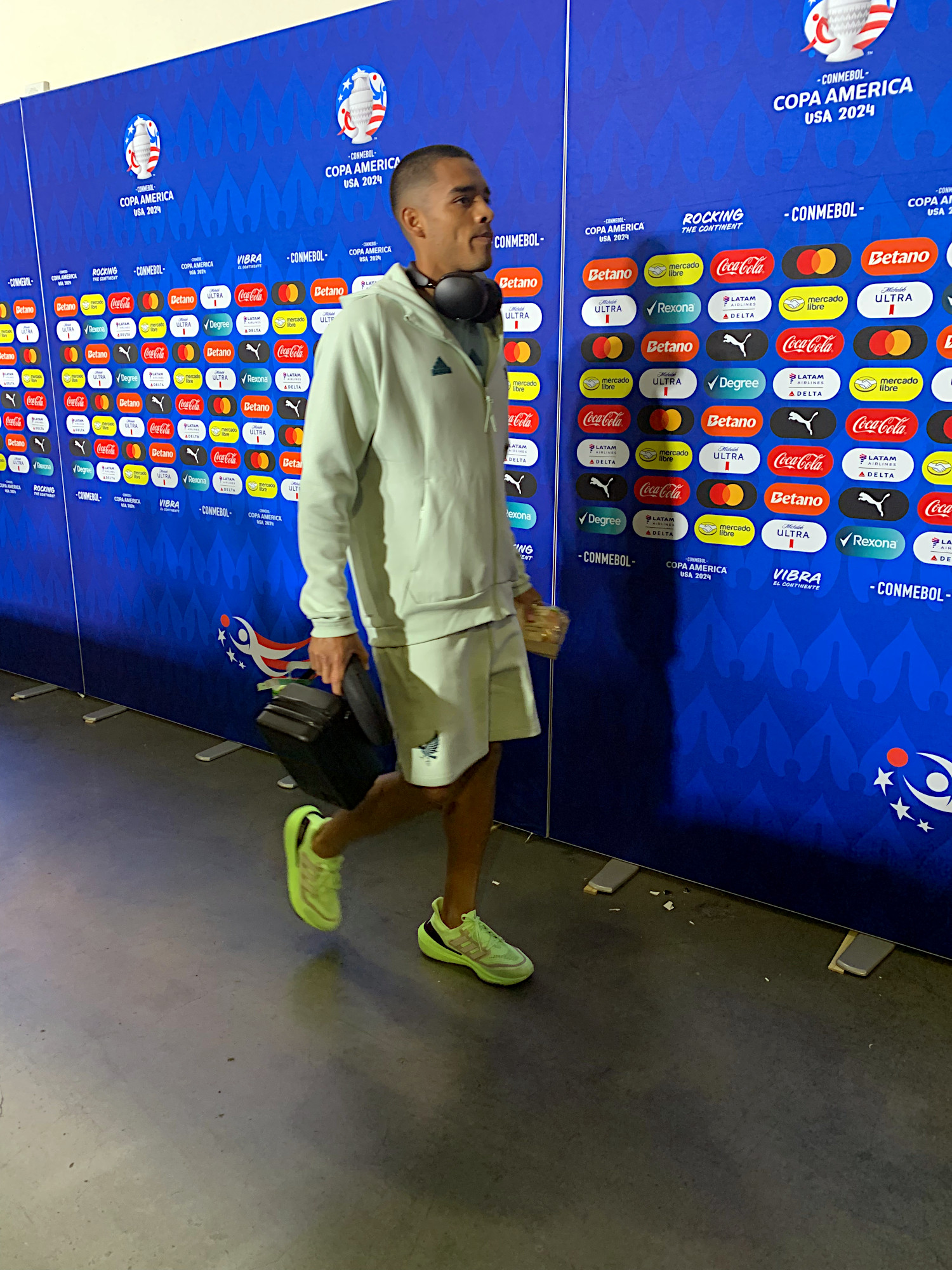
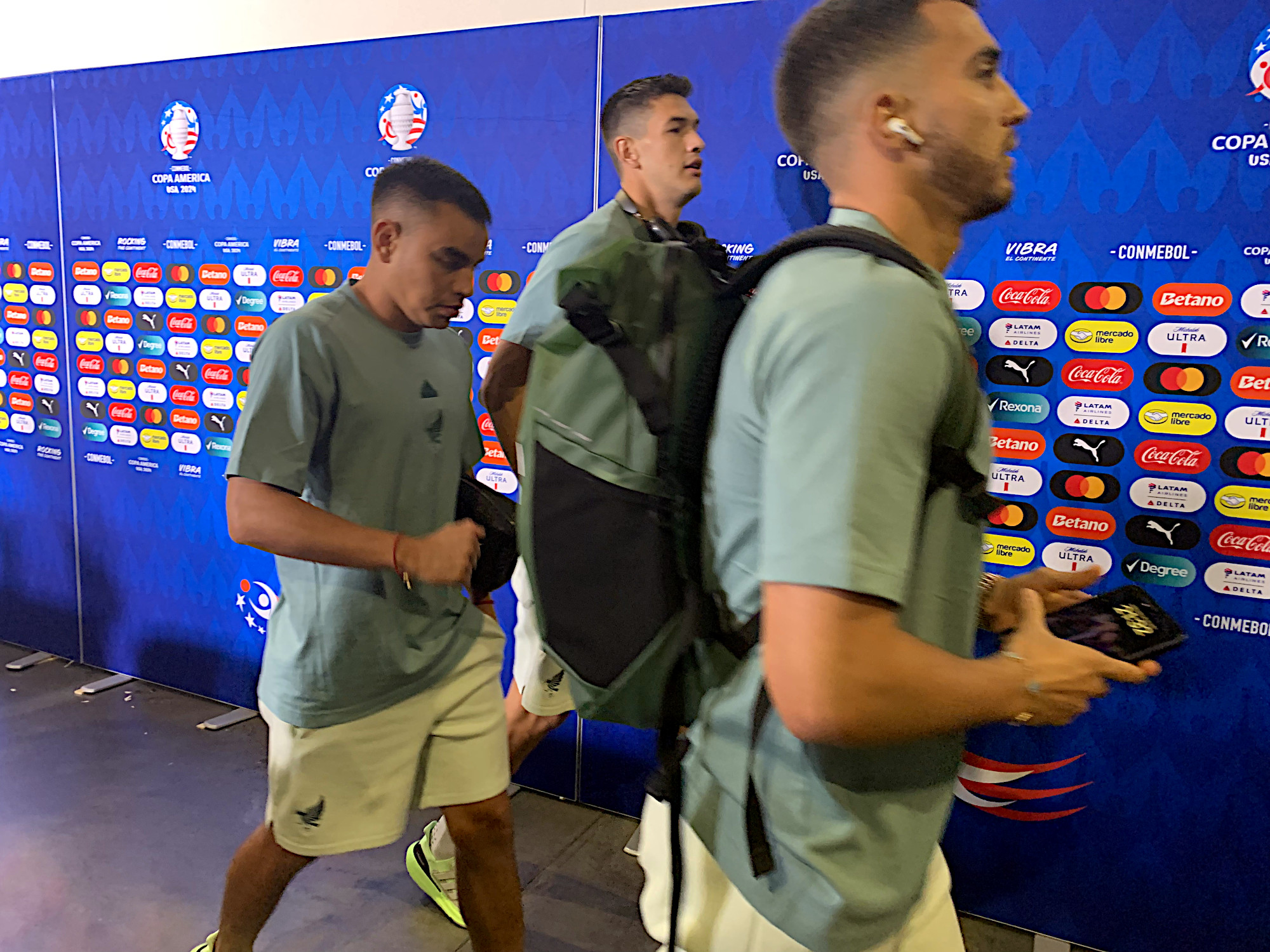
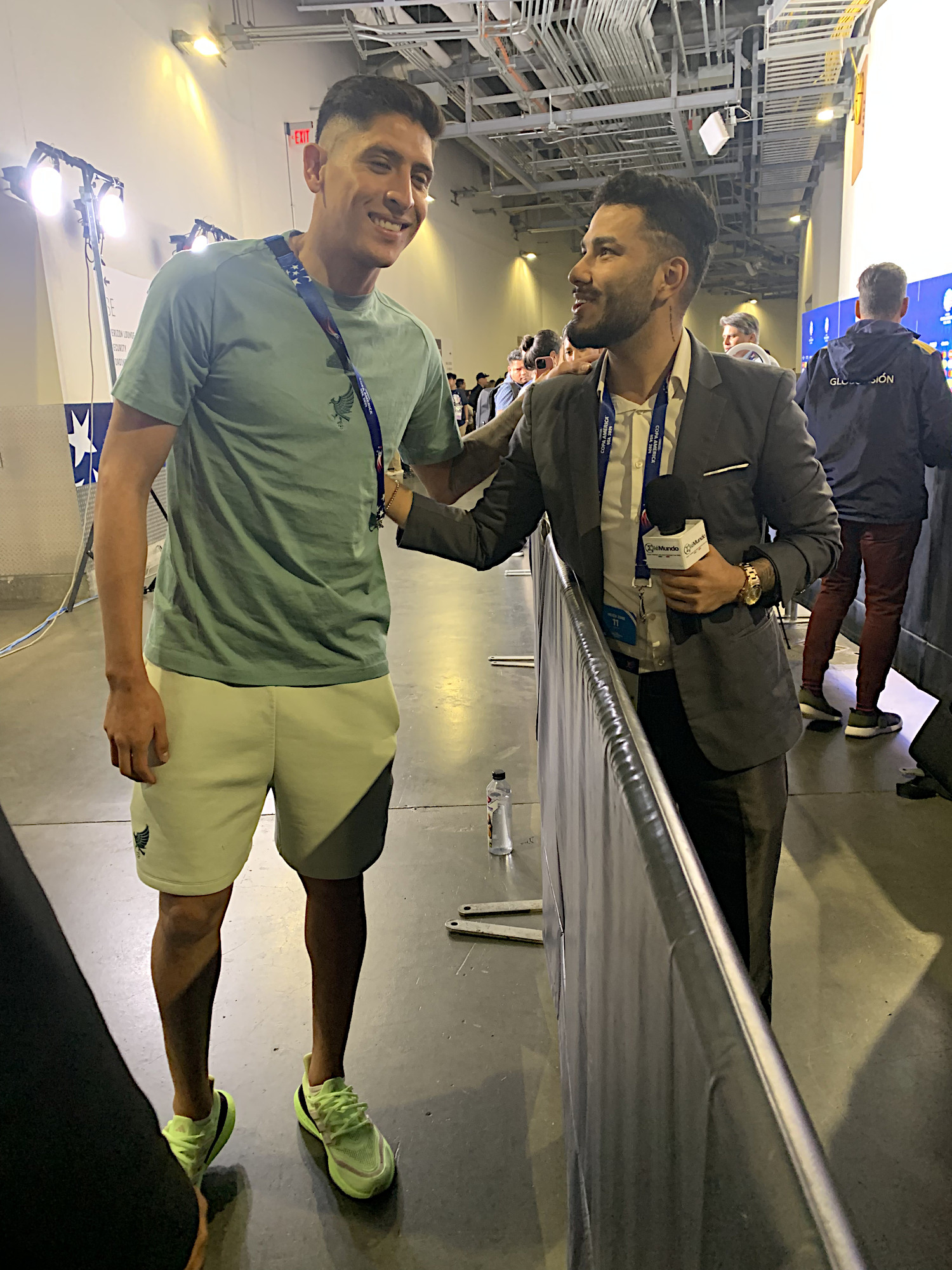
I went back to the tunnel as soon as the game ended and helped out at the mixed zone again. The Venezuelan team walked out first, a few players spoke after their victory and moved on. The Mexican team came out and did their thing as well…and it didn’t take two hours!
Below are a few shots of the Venezuelan team:


And some shots of the Mexican team:




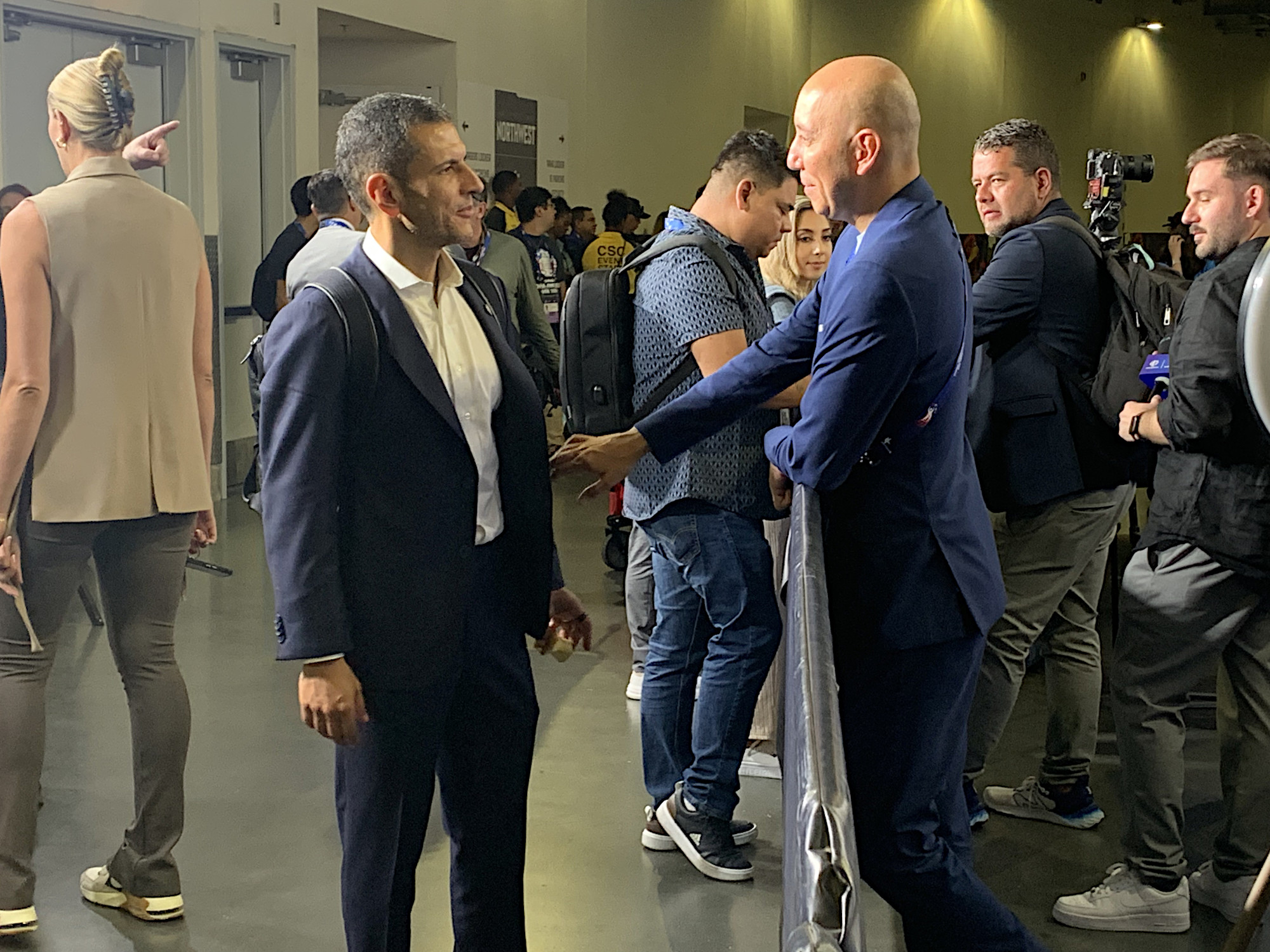
Overall, it was a great and eye-opening experience volunteering and seeing how many things play out behind the scenes. I had no idea how many of the roles and jobs at these games are done by volunteers. One of the volunteers in my group, for example, was tasked with escorting Jorge Campos from his broadcast booth down to the field for a photo op and back. Another volunteer provided English/Spanish translations during the post-game conferences.
This was also my first time at SoFi stadium and it immediately became my new favorite stadium, especially once I took in the games. It is easily the loudest stadium and game environment I’ve ever experienced and I understand why parents today provide their kids with noise-canceling headphones.
10/10, would do it again!

 Afroxander (aka Iván Fernández)