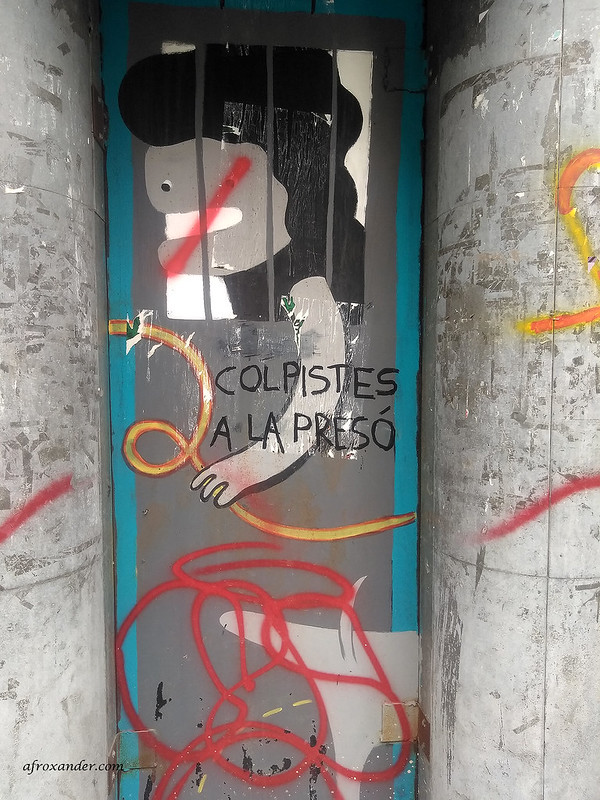
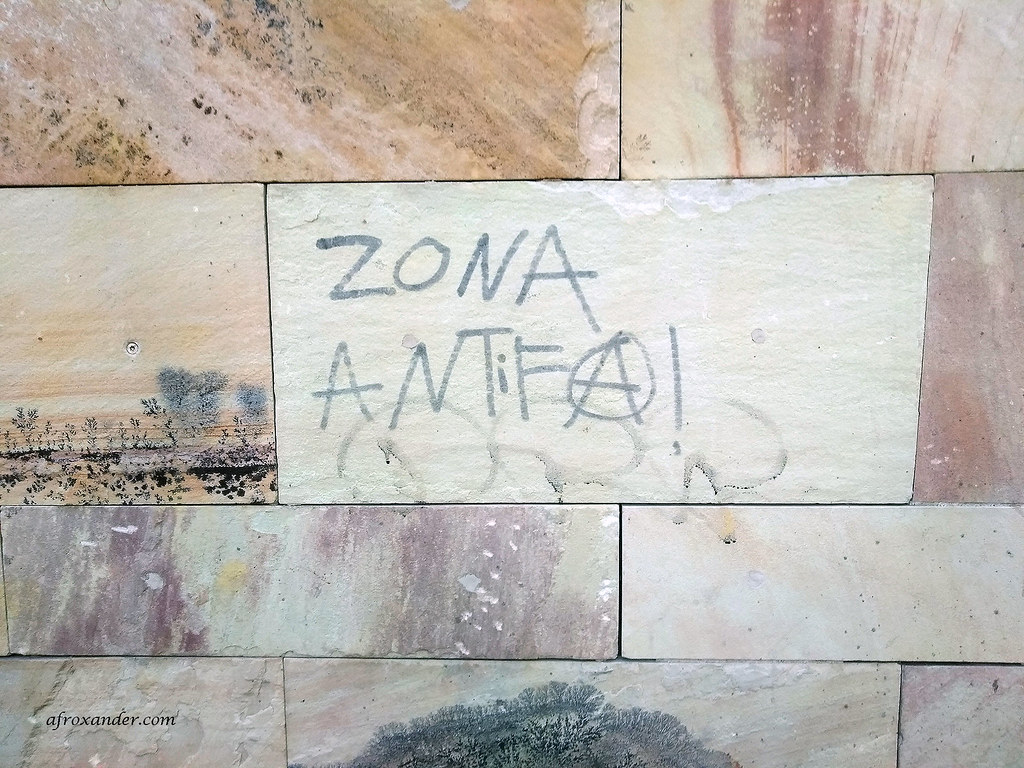
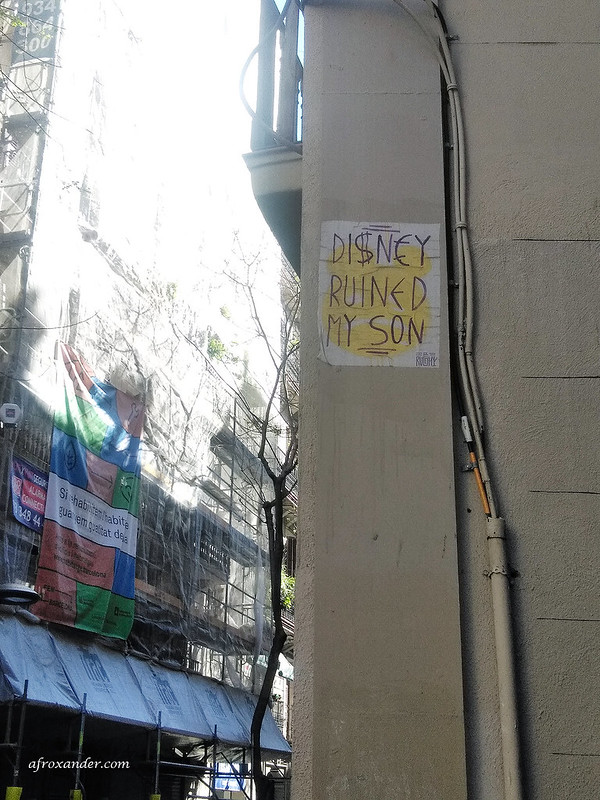
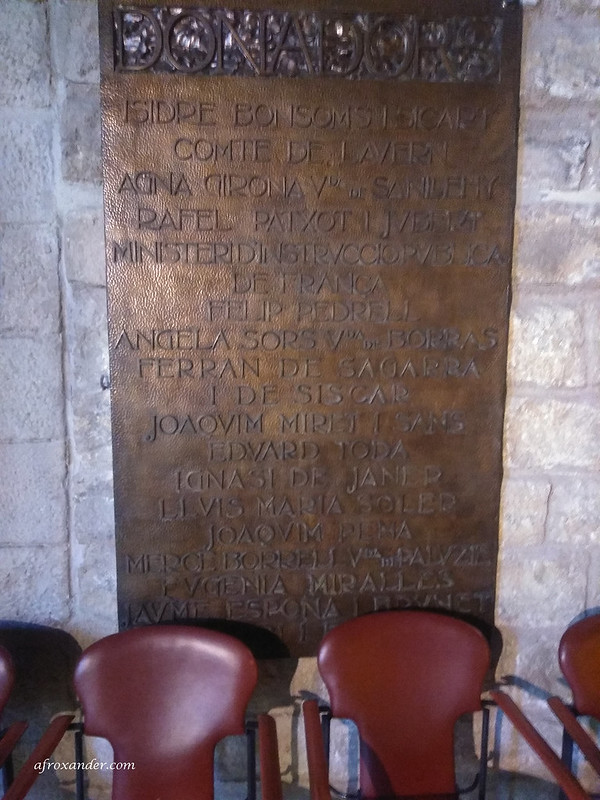
First, an admission: today marks nearly a year to the day that I left for a week-long trip to Barcelona and I still haven’t fully edited the photos and videos I took during that trip. OOPS!
I have more free time now due to reasons related to that-one-virus. I hope to finish editing, uploading, and sharing the rest of the photos/videos from that trip beginning with this post of photos I took while walking the various streets of the city. Enjoy!
Annette Zaragoza-Bilow didn’t have a role in craftingMeasure R, but her support for the measure is deeply personal. If it passes, the measure will not only give theSheriff Civilian Oversight Commission stronger oversight power, but will also restructure the infrastructure in how Los Angeles county incarcerates people and, more importantly, treats people with mental health issues.
She hopes that the ordinance will help people like her brother, Gerry Dean Zaragoza, before it’s too late.
“My brother tried to get help for many years before the incident,” she recalls in an interview with LA Taco.
How do you explain the Latin American experience in Los Angeles? That’s a complex question, but we are sure it would look, sound, and feel a little something like this year’s Tropicália festival.
Over two days, the Fairplex in Pomona hosted Goldenvoice’s newest musical endeavor, which brought to life a mixtape that encapsulated the past, present, and future of Latin American music and brought multiple generations of Latinos and others together for a truly inclusive weekend of fun.
There were plenty of moments that encapsulated that feeling. There was the young lady who called her parents on FaceTime so that they could watch Peruvian romance balladeers Los Pasteles Verdestogether. There were the two comadres who made their way to the front of the stage for Los Tigres Del Norte and held each other as they sang, screamed, and cried to every song alongside girls young enough to be their granddaughters. There were the young goths who patiently waited for Prayers’ set by singing along with Paquita La Del Barrio who performed before their favorite duo did on the same stage. There were the Asian and African-American kids moshing together with the Latinos in more pits than I could count. There were the young gabachas who swooned at Kali Uchis’ every movement.
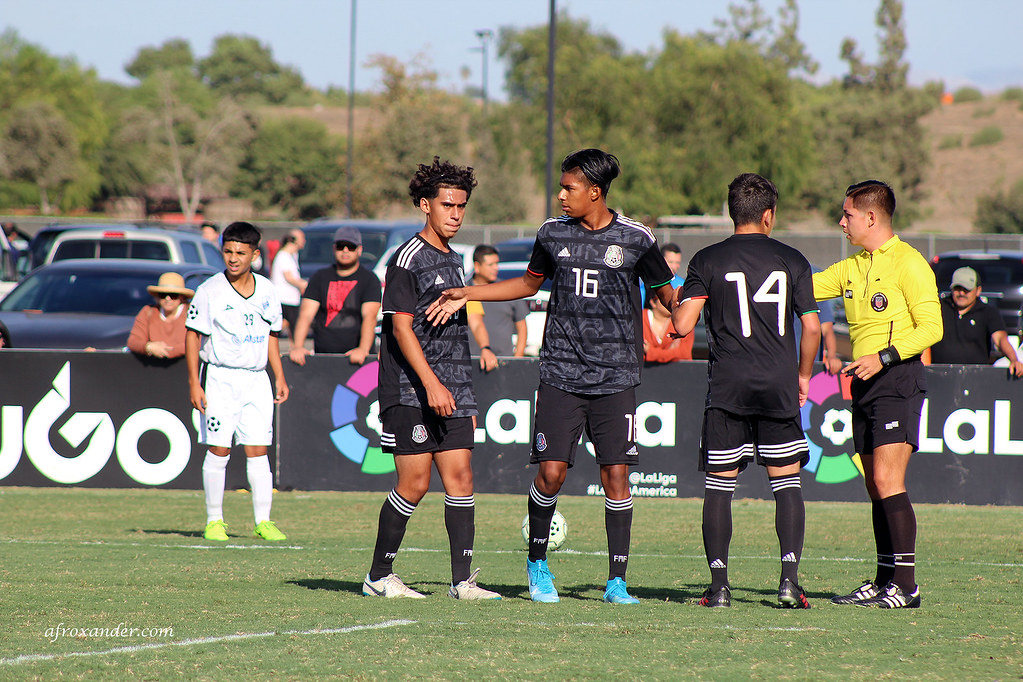
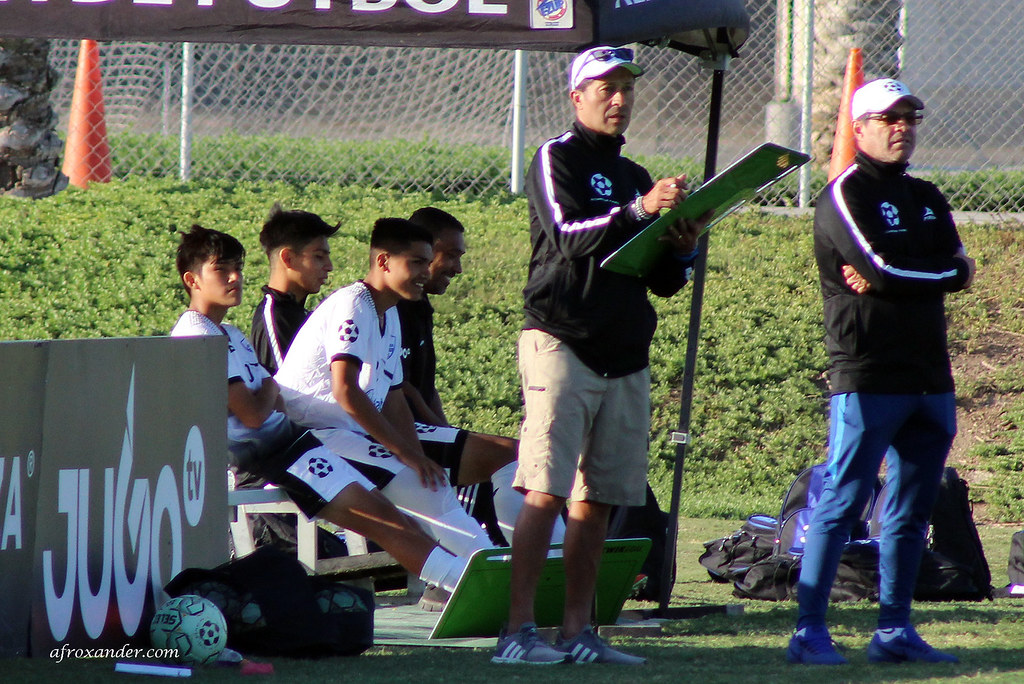
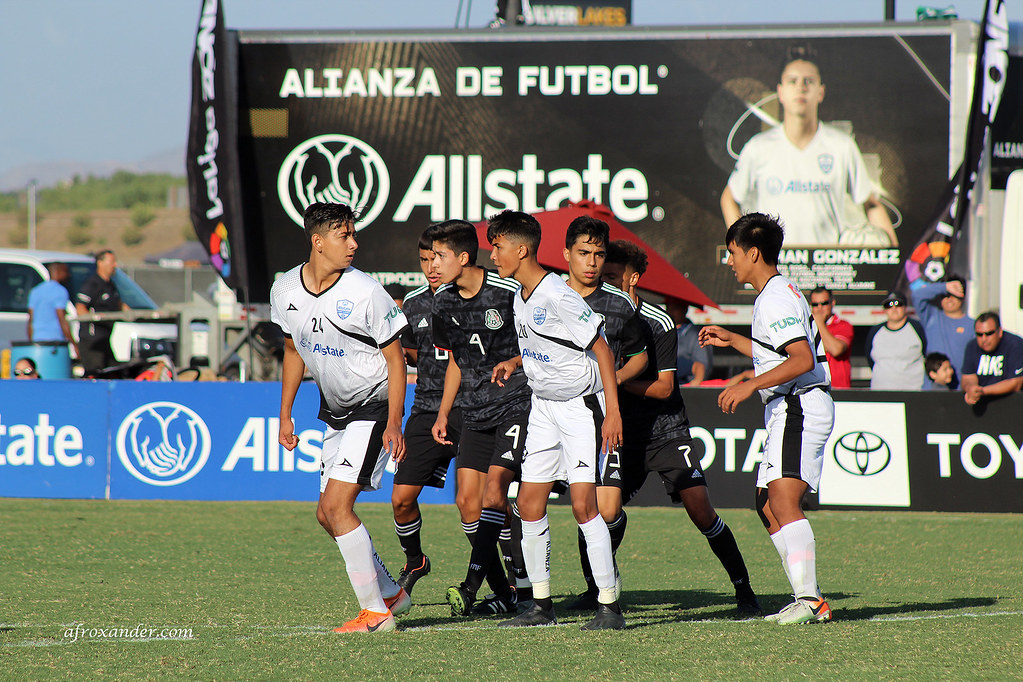
From Sept. 26th – Sept. 30th, 50 players out of a pool of 5,000 players took the opportunity to show their skills for a chance to sign a professional football contract. The Allstate Sueño Alianza National Showcase brought these young players to SilverLakes Sports Complex in Norco, CA where more than 30 scouts from Liga MX, Major League Soccer, United Soccer League, and La Liga surveyed and assessed their skills and talents.
Of these 50 players, separated by age groups in U-14, U-17, and U-20 squads, 18 will be selected by La Liga scouts to travel to Spain and compete against academy teams from Spanish clubs.
David Zavala of Grand Rapids, MI broke a record at Alianza De Futbol when he received 21 invitations from scouts at Liga MX, MLS and USL teams as well as both the Mexican and U.S. national teams.
I made another guest appearance on Resortera Wave founded & hosted by my friend Nayib Moran. We spoke about my interview with Monterrey FC & Mexico national team player Jonathan Gonzalez.
Below is a link to a research paper I wrote last year that I’ve uploaded to my Academia page. It concerns research into the growth of gridiron football (NFL-style), baseball, and basketball in the US and why association football (a.k.a. soccer) failed to grasp the country’s imagination as the other three.
Most importantly, “the game in America badly lacked willful leadership…Plenty of athletic departments and administrators may have thought soccer was vaguely a good thing, yet none seemed to possess the eagerness and ambition to lift it to greater prominence” (Wangerin “Distant” 32).
The main issue facing the leagues across the nation was the lack of a governmental body to enforce a set of rules agreed upon by all. Leagues played according to their own sets of rules, which put them at odds with each other and the fanbases they catered to. A league in St. Louis, for example, “played halves of 30 minutes instead of 45” (Wangerin, “Soccer” 29).
The AFA, founded, ironically enough, by a group of British expatriates made the first to attempt to unify the country’s leagues in the late 19th century. Unfortunately, any and all attempts at unification became power struggles between British and American leaders of the sport who “engaged in petty rivalries and internecine organizational struggles that only helped to preserve their narrow fiefdoms and the status quo at the expense of creating an institutional structure that might have been able to disseminate the sport to the vast majority of the American public” (Markovits “Offside” 53).
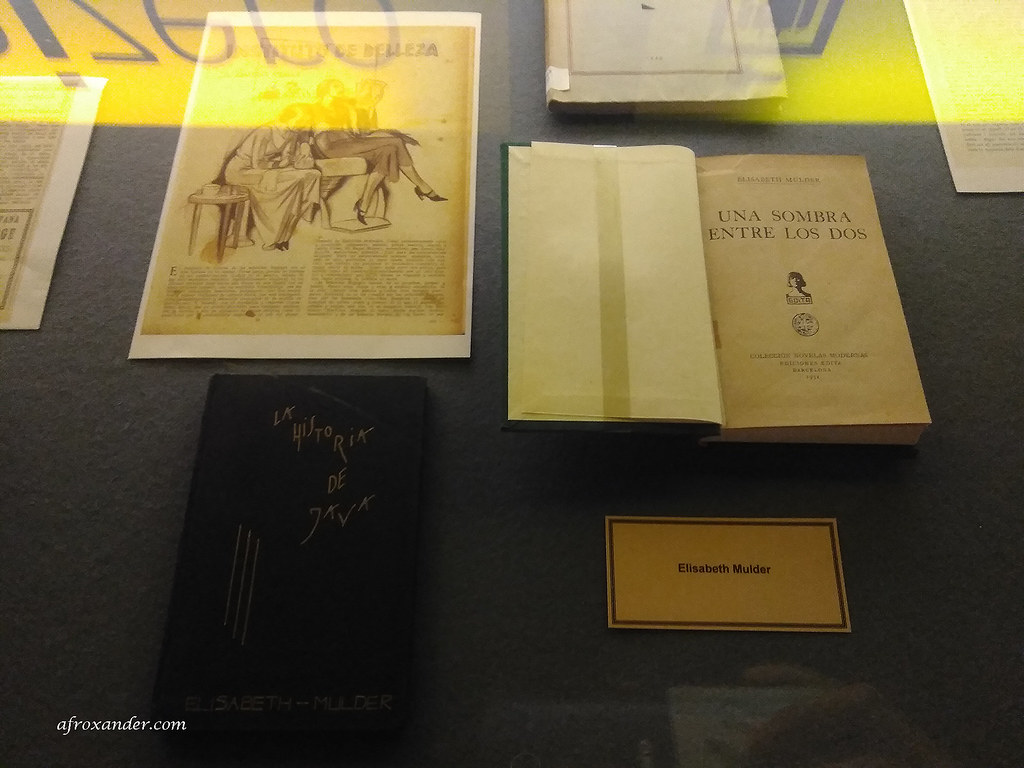
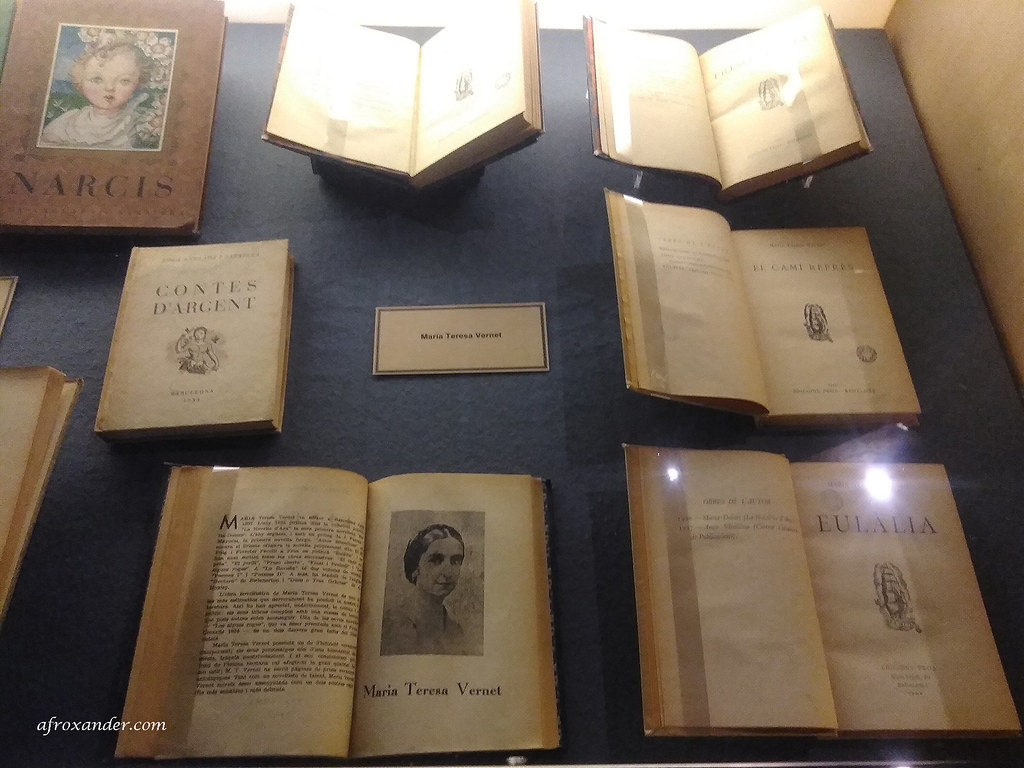
I geeked out at the Biblioteca de Catalunya (Library of Catalonia) in Barcelona this past April. I even spent some time there to work on an academic paper. Academia eventually rules us all!
Below is a link and an excerpt of a paper I wrote a few months ago for a course in Mexican history. It is a historiography on the development of the San Diego/Tijuana region of southern California + Baja California as separate territories with an emphasis on people’s understanding of the territory as a separate & unified territory.
Early writings and writings of the San Diego/Tijuana (or vice-versa depending on which side of the literal fence one stands from) border region’s early history after the Mexican-American War illustrate the growth of the region as the emergence of two distinct zones that lures the citizens on each side with different promises. This non-symbiotic relationship between the two nations then steadily changes into a symbiotic one as scholars and academics begin to study the region’s evolution from a pair of separate and individual states to a pair of separate and strongly interconnected states. This interconnection occurs on multiple levels but is most typically understood via socio-cultural and economic lenses.
In recent years, new understandings of the border region have come from the experiences of people, Mexicans and Americans, whose daily lives consist of nearly equal time spent on each side of the US/Mexico border. Some of the writings on this topic began with the analysis of the flow of workers and consumers of both regions that began blending the flow of each country’s economics and labor with one another. Beyond this phenomenon, scholars have also recently defined the experiences of some of these citizens as a “ transborder/transfronterizo” persons who have experienced a lifetime of bi-nationality, that is, a lived experience of traversing a physical, international barrier that begins in childhood and extends into adulthood. Finally, activist groups that understand the border region from a highly politicized lens have also established their own framework of thinking about the border region in SD/TJ as well as other borderland areas.
On Wednesday night, the LA Galaxy cancelled hundreds of tickets allocated to numerous ticket holders for Friday’s match between the Galaxy and LAFC. Why? I dove in to find out for LA Taco: