
These are the last set of photos from my trip to Mexico. I spent the last two days of my trip at the Palacio de Bellas Artes, the Zocalo (Main Square), and the Paseo de la Reforma. There are more photos HERE.
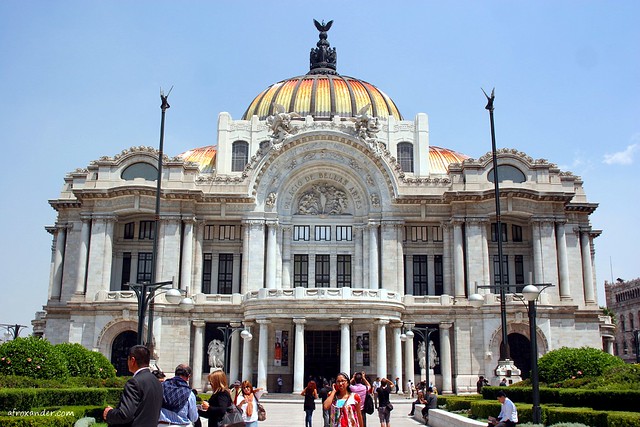
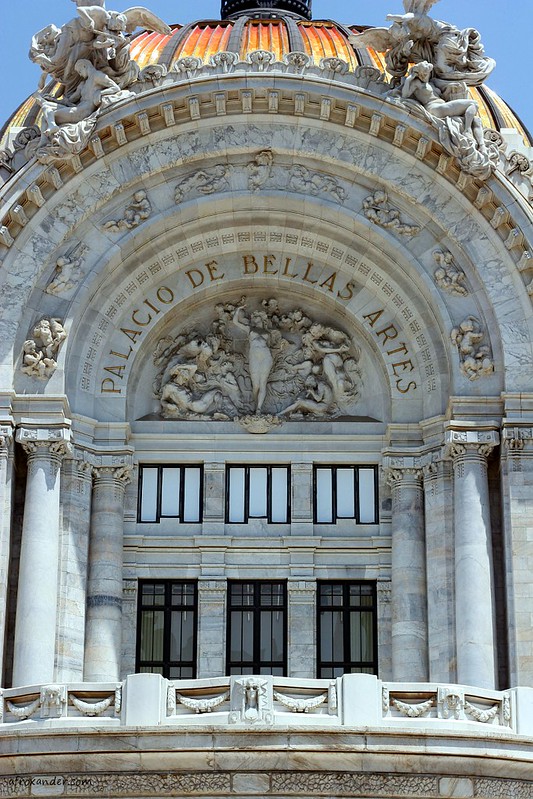

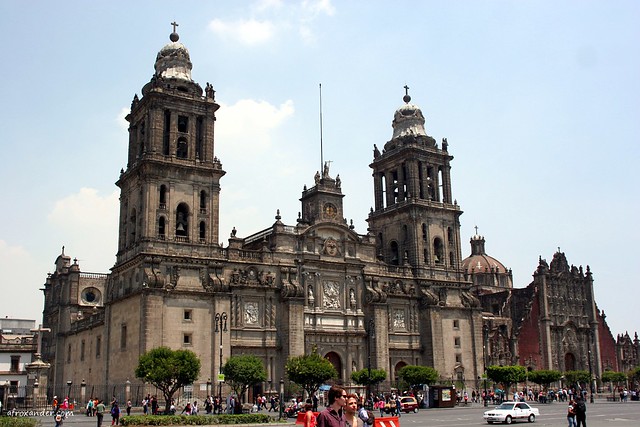
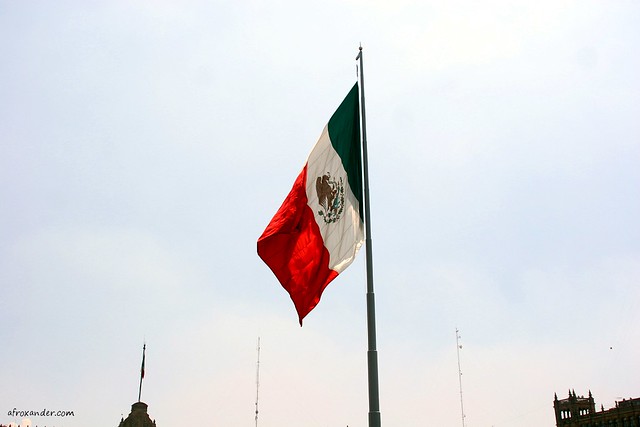
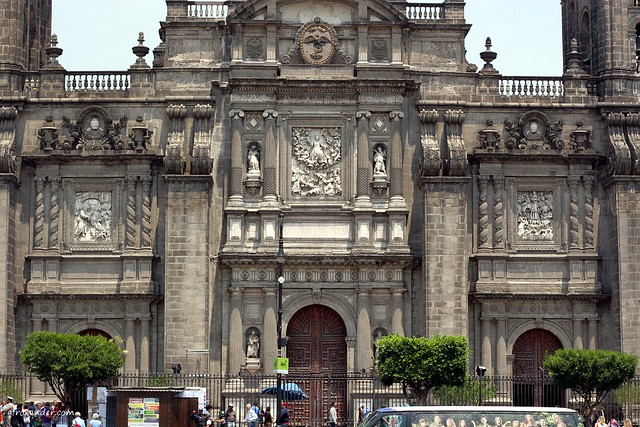

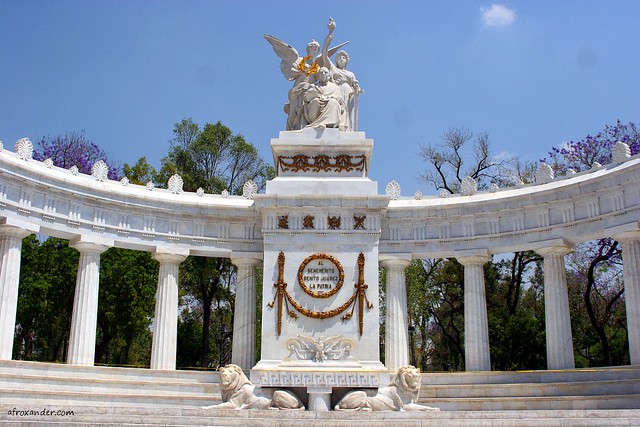

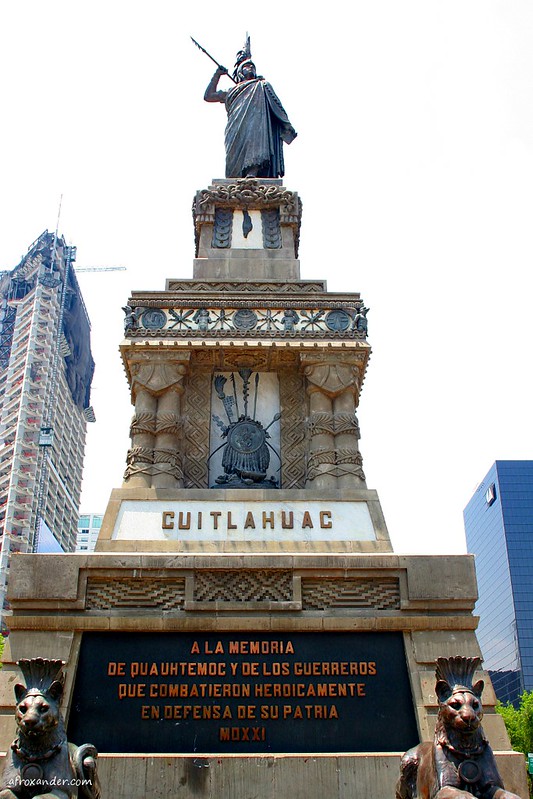
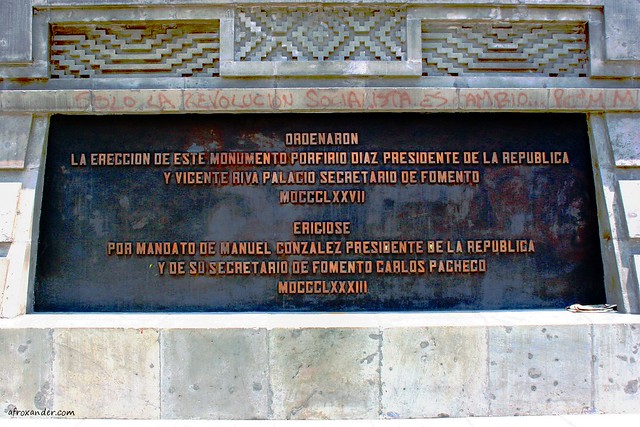

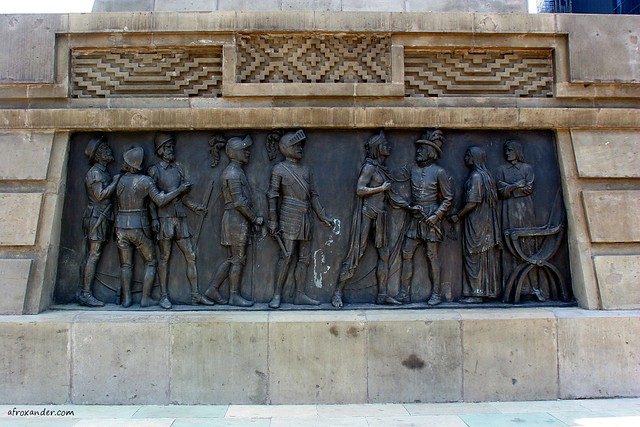
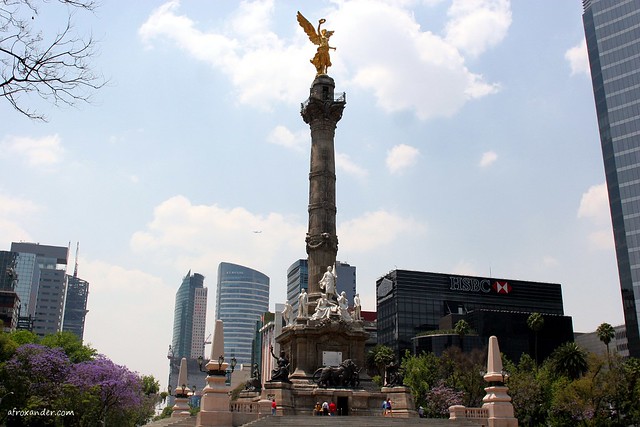

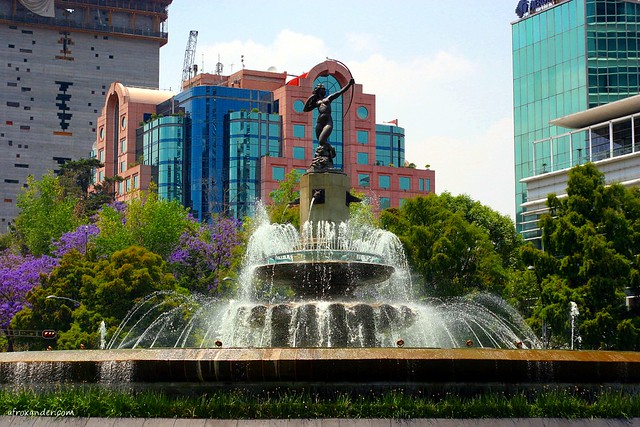
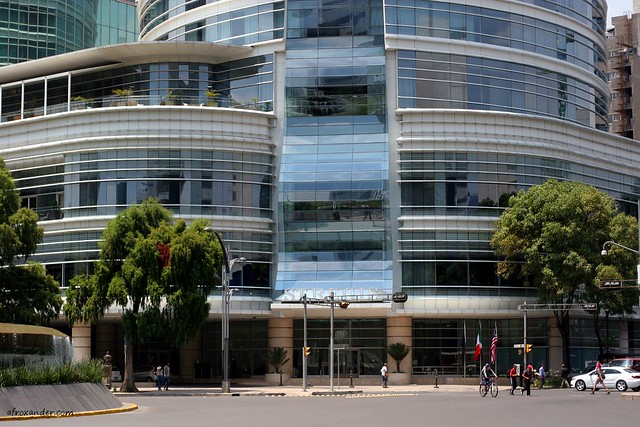


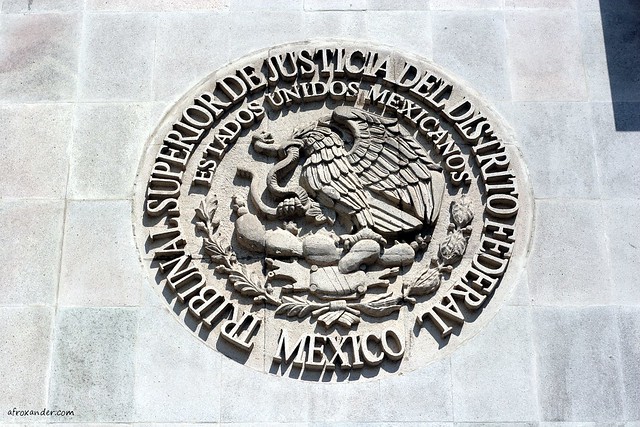
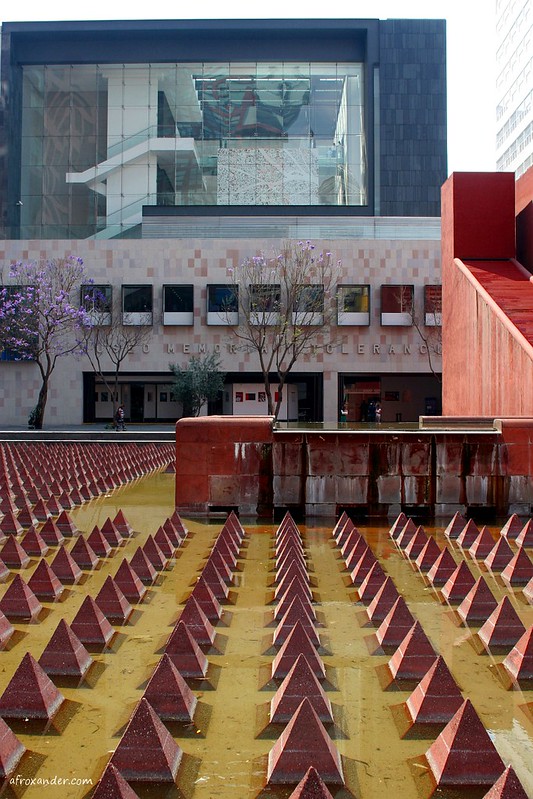
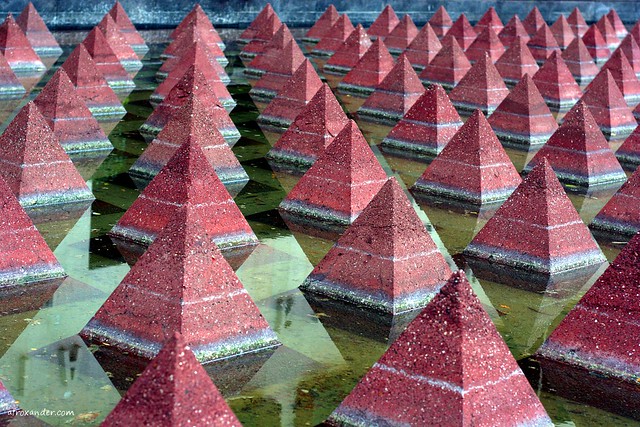
These are the last set of photos from my trip to Mexico. I spent the last two days of my trip at the Palacio de Bellas Artes, the Zocalo (Main Square), and the Paseo de la Reforma. There are more photos HERE.
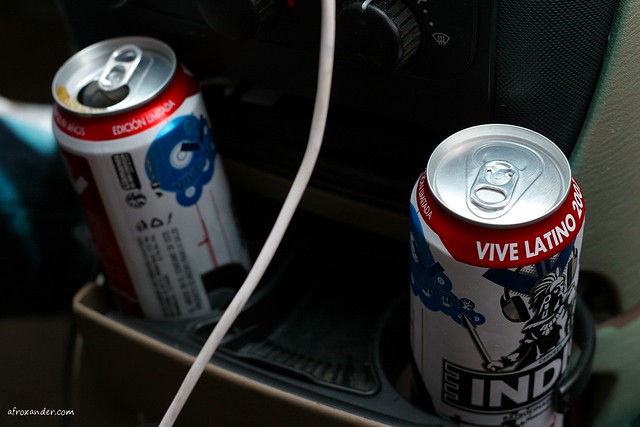
I skipped the last day of the Vive Latino festival for good reason: to take a trip to the city of Teotihuacán de Arista. The city is home to the Pre-Hispanic City of Teotihuacán, an ancient, Pre-Colombian city important to the Mayans and Aztecs such as the Nahua, Otomi, and Totonac people of southern Mexico (the exact information is still debated by scholars).
The ancient city includes many large and important structures such as the Avenue of the Dead (Calzada de los Muertos), the Pyramid of the Sun (Piramide del Sol), Pyramid of the Moon (Piramide de la Luna), and many others.
Unfortunately, my trip was cut short by a sudden and powerful thunderstorm that occurred the moment I step foot on the summit of the Pyramid of the Sun.
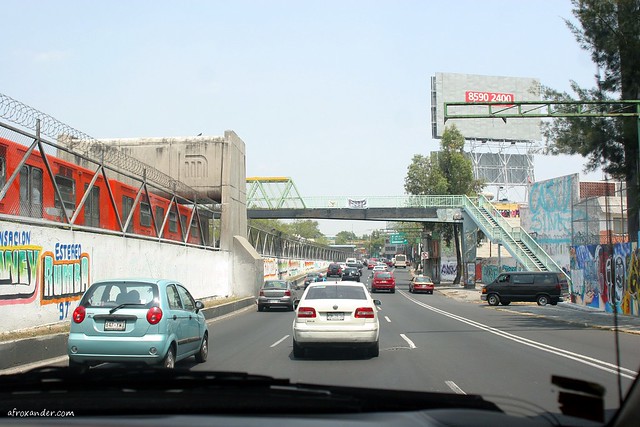
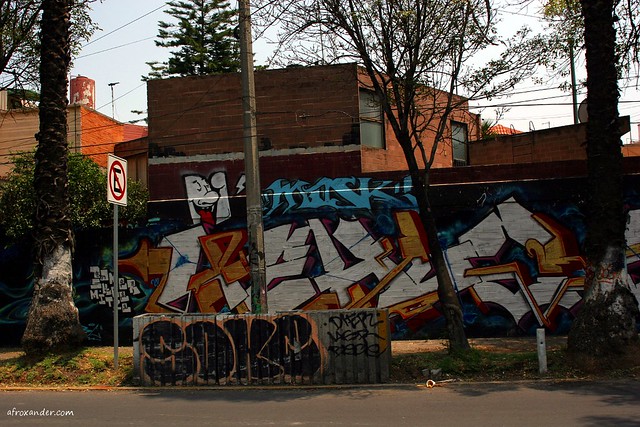
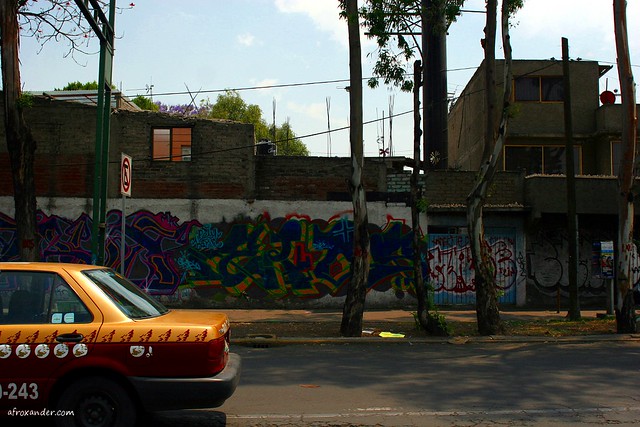
Below are some photos of my journey from Mexico City to Teotihuacán. The full set can be found HERE.
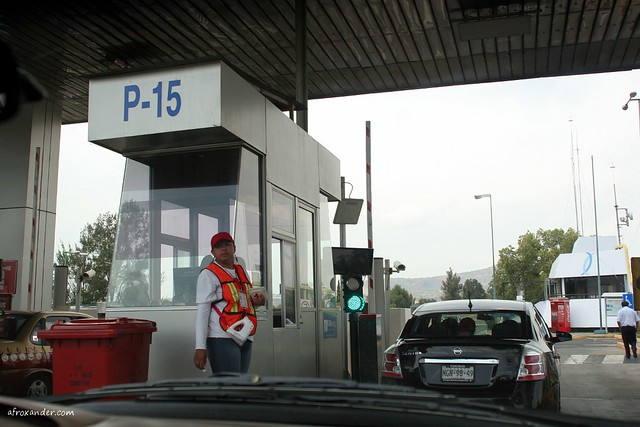


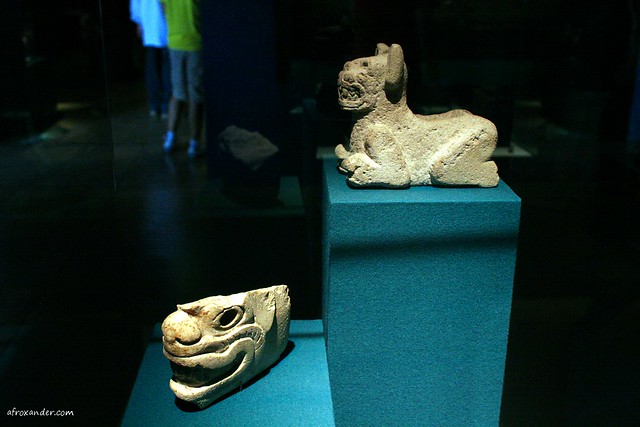


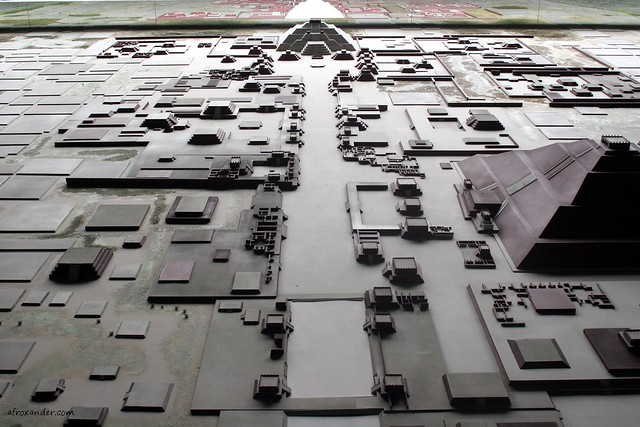


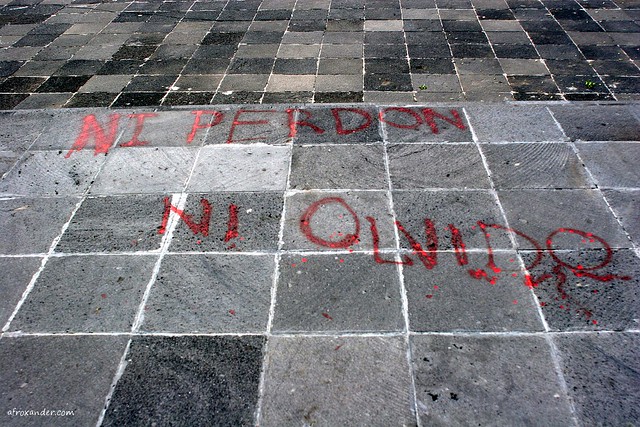
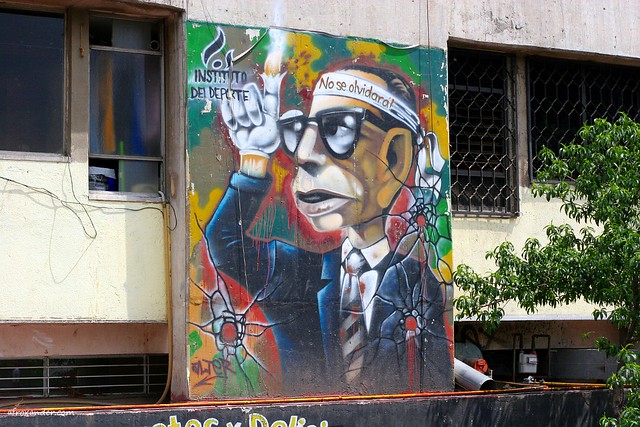
The Plaza De Las Tres Culturas in the Mexico City neighborhood of Tlatelolco is one of the most important historical sites in the country. The site is known by that name because it is home to the three cultures of Mexico: Indigenous, Spanish, and Mestizo (Native & European descent). There’s a large stone slab that marks the area as the “painful birthplace” of Mestizos and, thus, the birthplace of modern Mexico.
It’s also the site of Tlatelolco Massacre of 1968. Thousands of students convened at the plaza on October 2nd of that year to continue their protests against the policies of president Gustavo Diaz Ordaz and the PRI. Military snipers fired at their own servicemen in order to provoke their attack on the protestors. The exact death toll is still unknown but numbers vary between 30 to over 300.
I spent a few hours at the site shooting photos. Click here for the full set and a few of my favorites below:

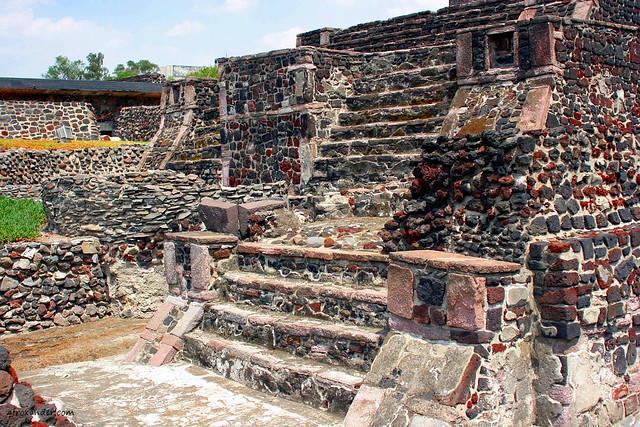
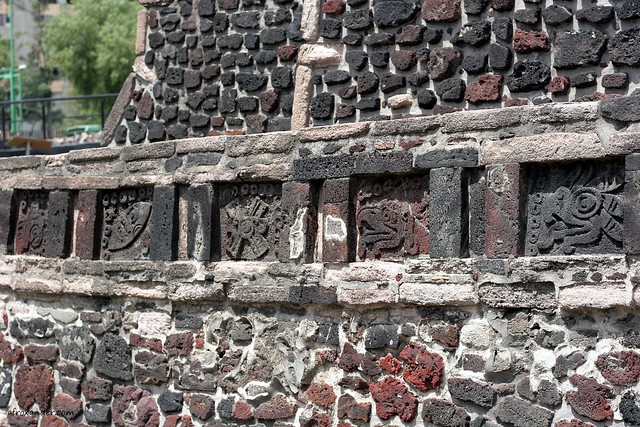

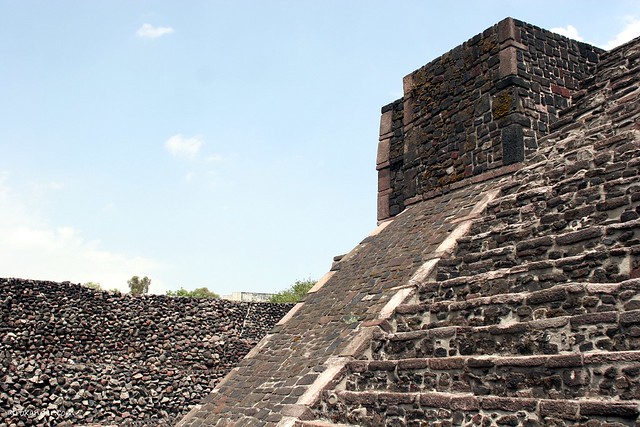
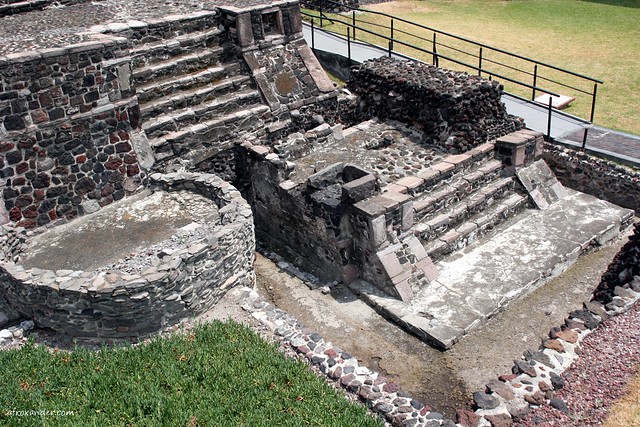
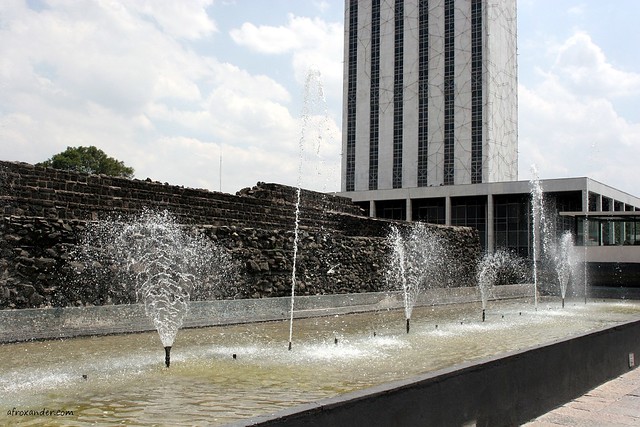



Back in February, I spoke with artist Ernesto Yerena for an interview that appeared in Remezcla.
One interesting tidbit that I was unable to include in the article was a portion about the boxing match between Julio Cesar Chavez and Oscar de la Hoya in 1996. Yerena talks about how the fight exposed him to the complexities of identity among Mexicans on both sides of the US/Mexico border, which he lived near in El Centro, CA.
Listen to the audio below:
I’ve been in Mexico since last Saturday, March 22nd, and have enjoyed every second of it. I’ll be here until April 2nd when I’ll fly out of Mexico City and into Phoenix, AZ for the Mexico/USA game.
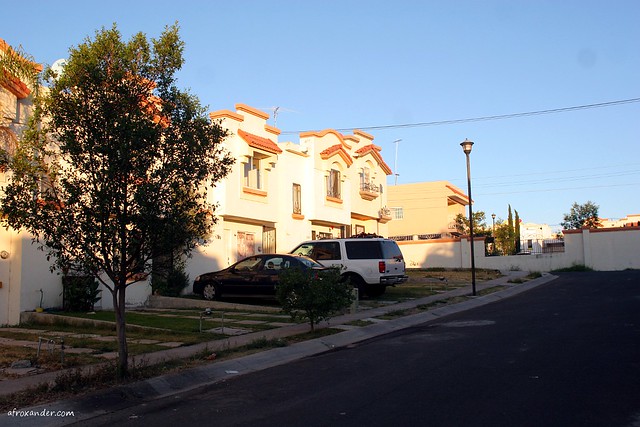
Below is a photo from a neighborhood in Tonalá near Guadalajara, Jalisco. I spent three days there before moving on to Mexico City with the main purpose of covering the Vive Latino festival.
More updates soon.
Major League Soccer’s (MLS) 2014 season will kick off this Saturday and, as expected, the league has been hard at work hyping up opening weekend. Unfortunately for the league, a few factors are looking to rain on the MLS parade: renewed competition from the North American Soccer League (NASL) and, more urgently, the impasse between MLS’s Professional Referee Organization (PRO) and the Professional Soccer Referees Association (PSRA).

PRO announced this morning that they have decided to lock out referees from the PSRA this opening weekend. The league will resort to its backup plan of non-union (re: scab) referees composed of foreign referees, former MLS officials, and refs from other leagues. The PRO even held a mini-camp for potential temporary replacements last week. Things could go well enough with no one noticing any changes…or they could be utterly disastrous.
Members of the PSRA voted 64 – 1 in favor of a strike back in February and talks on the group’s first collective bargaining agreement with the PRO earlier this week failed. The PSRA also filed charges with the National Labor Relations Board claiming bad-faith bargaining and accusing members of PRO with making threats against members of the PSRA.
From Dave Zirin at The Nation:
The Professional Soccer Referees Association, otherwise known as the refs union, has been attempting to negotiate their first collective bargaining agreement in league history. The amount of money that separated the two parties is not vast, estimated between $440,000 and $1 million for the lifetime of the deal. The main financial issue was that in recent years, MLS mandated far more trainings for referees to improve the quality of officiating. The refs, however, were not compensated for the extra hours.
The greater issue, however, was political. It was the fact that the refs union refused to sign a no-strike pledge. As the MLS league negotiator Peter Walton said, “Since they will not give us a guarantee they will not go on strike immediately prior to our match we are left in a position where we must use replacement officials.”
Some of the more cynical comments about this situation that I’ve read in various articles claim this was a move by the PRO for publicity. All publicity is good publicity and the issue will be resolved in due time but only after a good amount of publicity about this situation makes a few rounds.
Steven Goff has provided the best coverage of the situation in his Soccer Insider column at the Washington Post.
On a smaller but potentially larger problem down the road, NASL commissioner Bill Peterson called out Garber and the MLS for some questionable moves regarding the league’s expansion fever.
Just a few days ago, MLS commissioner Don Garber hyped up Texan cities Austin and San Antonio as a possibility for the home of a future MLS team. That news came weeks after David Beckham announced plans for his own MLS franchise in Miami, Florida, all of which prompted a few comments from NASL commissioner Bill Peterson during a press conference call early last week.

The NASL has teams in San Antonio, Atlanta, Minneapolis, New York City and Miami…all cities where MLS will expand or has looked into expanding. MLS will likely be at 24 teams total by 2020.
Peterson originally announced that the reborn NASL (the original league folded in 1984) would not compete directly with MLS and, instead, focus on building its own separate fan base and focus on creating a system of promotion/relegation after some growth.
His tune changed immediately last week when MLS began digging footholds in his league’s turf.
From Franco Panizo of Soccer By Ives:
“Can somebody tell me, is he going to have 32 teams or 42 teams?” Peterson asked rhetorically of Garber without mentioning him by name. “How many is he going to have? Every day he announces another city. I’ve got to send him an update of where we’re going so he can announce that next.”
What few, if anyone, persons have pointed out is how this expansion echoes the past. The original NASL was a closed league (as MLS is today) that eventually fell apart due to rapid expansion among other factors…including some that are beginning to appear in MLS (expansion, union disputes, etc.).
Naturally, there’s been plenty of speculation of where this road will eventually lead to; a second American Soccer War, an implosion of the MLS, a temporary setback to MLS domination, etc. Whatever the final result may be, we’ll look back at 2014 as simply a pebble in MLS’s shoe or the first sign of the levee breaking.
It took a few years but L.A. artist Rafi El finally felt comfortable enough in his own skin to create and release his first solo work. He and his band debuted at La Cita on January 30th where they performed tracks off his debut album Ay De Mi.
You can read more about him and the album at Voxxi and check out photos of the concert below.


The US national team started 2014 with a bang as forward Chris Wondolowski opened the match with a goal at the four-minute mark. Unfortunately, Team USA fans watching on ESPN2 missed it. The station continued to show the final minutes of college basketball match between Clemson and Florida State.
Seven minutes into the game and the station finally switched over. As you can expect, this didn’t sit too well with USMNT fans who watched the game on ESPN2.
https://twitter.com/chiieddy/status/429737193087987713
https://twitter.com/chiieddy/status/429738080355237888
https://twitter.com/lukeicejones/status/429745280268128257
https://twitter.com/deepblueseahors/status/429741056481964033
https://twitter.com/Mrs_Lady_B/status/429740456381915136
The game wasn’t a official FIFA matchday and not an incredibly important one in general besides it being a warm-up/team tweak for the World Cup. However, it’s a sad state of affairs at ESPN when a college basketball game is considered more important than a soccer game featuring the national team, especially in light of the team’s very successful 2013 campaign.
What does it mean when Spanish-language UniMas shows the same game from beginning to end when English-language ESPN doesn’t? This on top of the fact that ESPN/NBC lost viewers in its MLS coverage while UniMas actually gained viewers:
The Spanish-language audience on UniMas increased almost 6 percent from last year’s audience to 514,000 viewers, more than double what they were only three years ago on another Univision network, Galavision.
The numbers are consistent with the trend during the 2013 regular season. Univision reported that the average viewers on UniMas’ MLS regular-season broadcasts (223,000) topped those on ESPN2 (181,000).
Sports Business Daily had reported that the average viewership dropped 29 percent on ESPN/ESPN and 8 percent to 112,000 on NBCSN (which had benefited in 2012 from usually high viewerships due to lead-ins from its London Olympics coverage).
Courtesy Soccer America.
Back in October of 2013, the Los Angeles Latino International Film Festival (LALIFF) hosted its latest film festival in the heart of Hollywood.
One of the more controversial selections at the festival was the documentary Narco Cultura. The film covers the many aspects of Mexican culture in both Mexico and the US that have been affected by the rise of drug trafficking organizations including some that glorify the narco way of life.
There was a brief Q&A panel after the screening and festival co-founder Edward James Olmos took a few minutes to express his views on how the legalization of drugs could change society in a positive way citing Portugal as an example.

Thursday December 19th marked the last Afro Funké night at Zanzibar or any other location. The night marked an end to a decade of music, dancing, and fun in Santa Monica courtesy of Cary Sullivan, Rocky Dawuni, Jeremy Sole, and Glenn Red.
The guests for the night were many (as you can see above). L.A.’s best DJs were brought in for two songs each before tagging in the next.
The occasion may have been a sad one but the atmosphere inside was anything but. The venue was packed almost immediately and dancers were still able to find space to get their boogie on. Some guy spilled a bit of my beer on the dance floor and he gave me $5…but I lost it. 😦




 Afroxander (aka Iván Fernández)