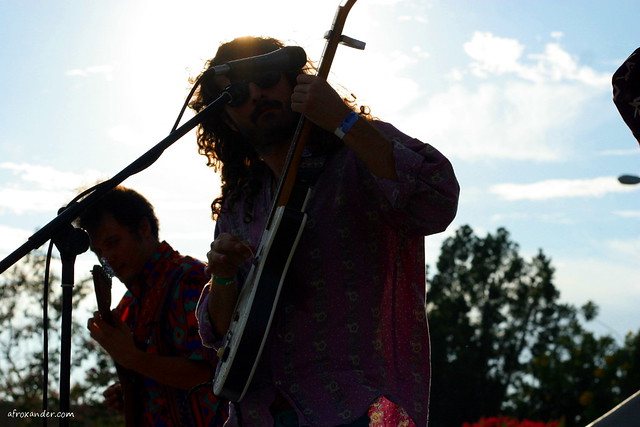
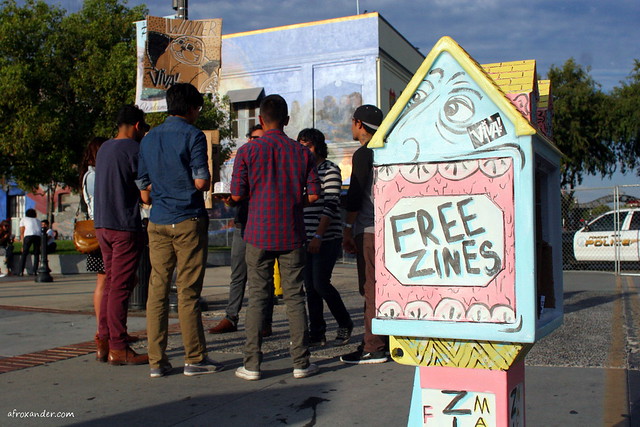
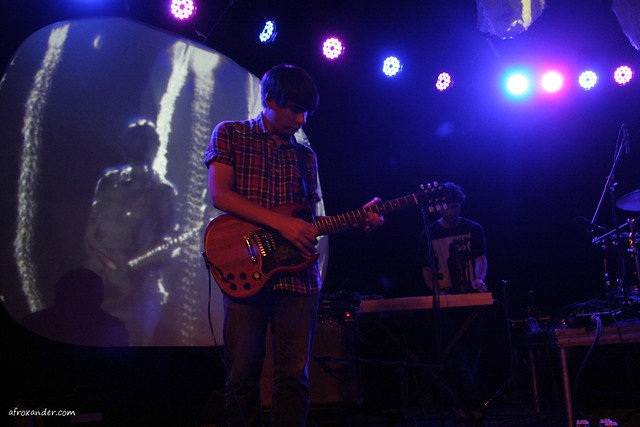
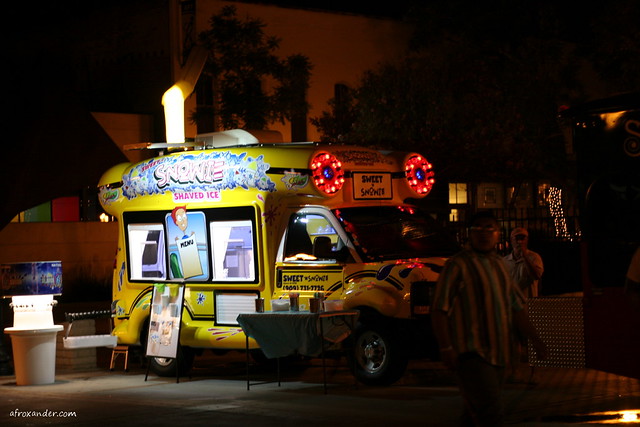
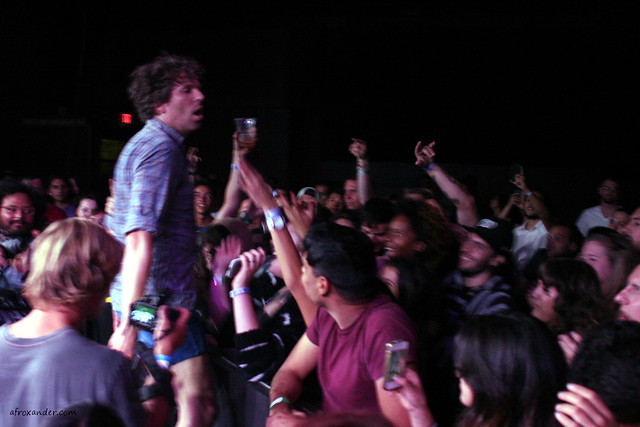
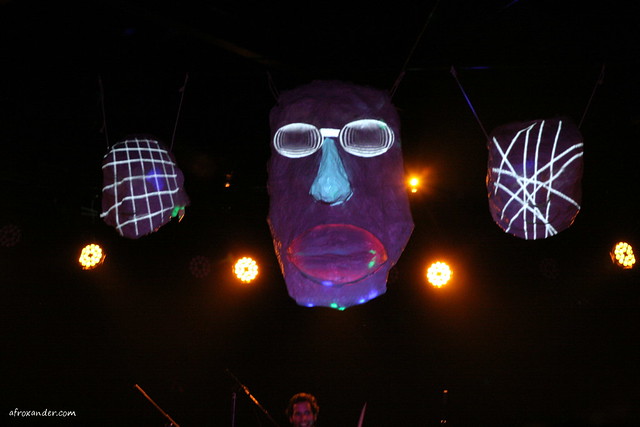
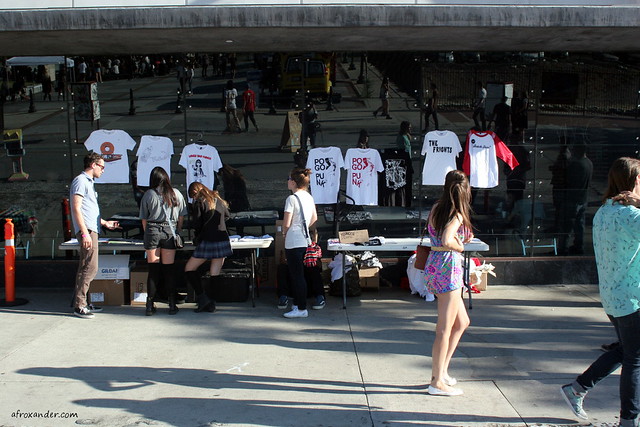
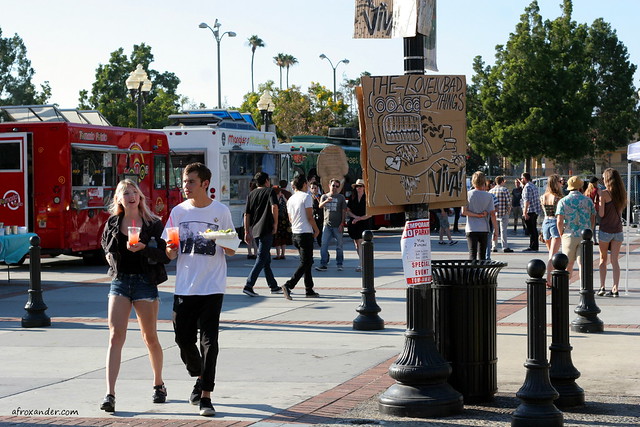
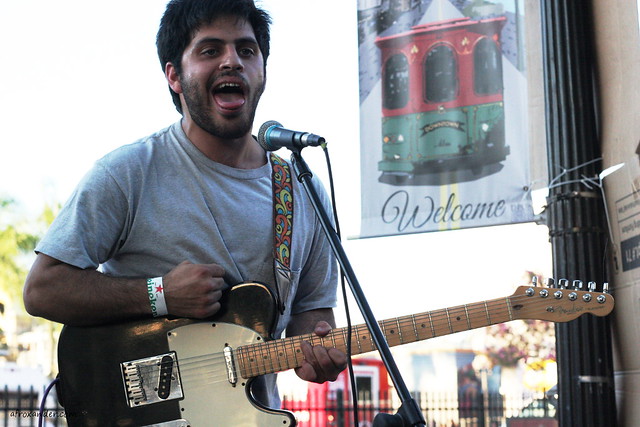
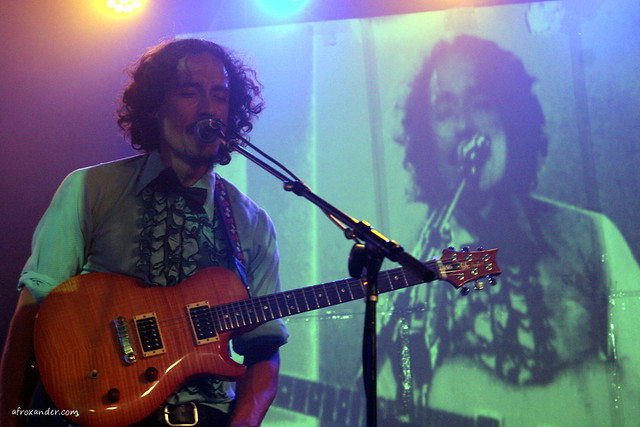
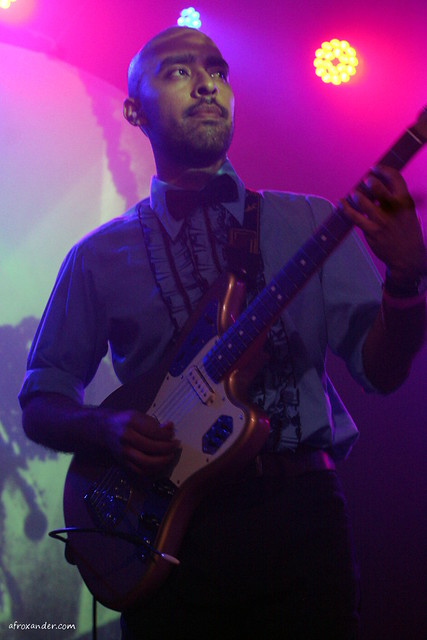
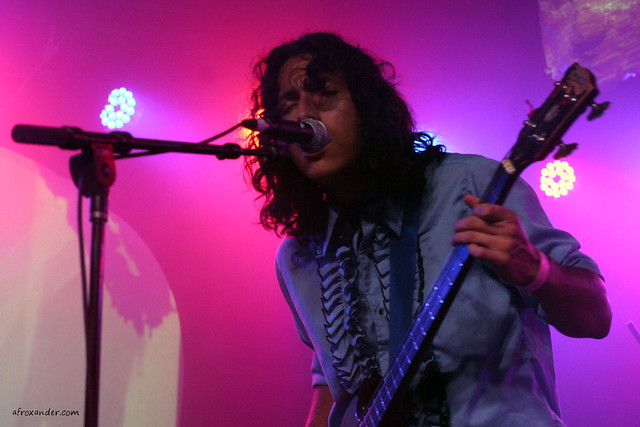
Viva Pomona is a small, two-day music festival in the city of Pomona packed with lots of local and international artists with a focus on independent and upcoming artists.
Back in 2012, I took a trip out to Machu Picchu in Peru. My group’s trek to the ancient city included a stop at Cola De Mono zipline near Santa Teresa. We had about an hour of time to kill before the employees returned from assisting the group before us and, somewhere along the way, my breakfast was ready to escape my intestines.
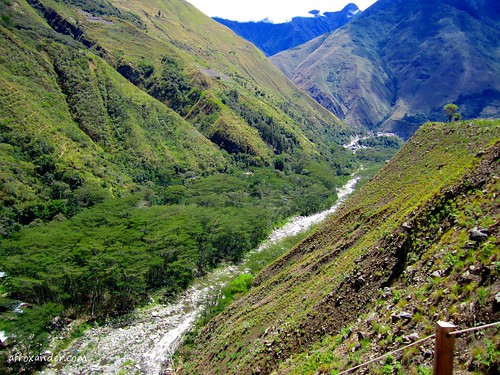
I walked around the large, outdoor waiting area and found the sign for the restroom. The bathroom was many feet away from the entrance facing the Sacsara river that borders the park on one side.
I walked over to a small paved area where a lone, single-person stall stood under the shade of a number of trees. Three of the stall’s sides were dressed in thin bamboo reeds and foliage and the entrance…had no door!
“Where’s the door?” I asked out loud to no one because everyone was near the entrance killing time by playing a bean-bag toss game. There was no door, no curtain, nothing to spare the world, especially the river of gorgeous, crystal-clear water, the view of my answering nature’s call.
I figured the bathroom was out of order but a flush of the toilet showed me wrong. Meanwhile, my stomach continued to warn me there’d be no chance of flying over the Sacsara on a zipline with irritable bowels (all those damn potatoes!).
So be it.
I sat down, pulled my pants down far enough and went to town.
There I was, sitting on and shitting in a toilet facing the Sacsara river, various exotic birds singing their songs amid the gentle rush of the running water, the cool mountain air doing its thing as the greatest air freshener money will never be able to buy.
It was the most unexpected place to find bliss.
You can see the roof of the stall in the lower-left corner.
The World Cup is less than two weeks away and I’ve found myself neck-deep in compelling and insightful stories/articles about the event, the sport, and host nation Brazil.
I’m going to share my favorites in this post. Bookmark this link because I’ll be updating it with new stories as I come across them.
Today marks the 39th anniversary of the fall of Saigon, which led to the end of the Vietnam War. My friend Tom and his family fled the country to the USA as war refugees. He marked the anniversary with a lengthy post on Facebook describing in detail his experience as a refugee and immigrant.
He gave me permission to repost it and I present it here in its entirety. I took the liberty of editing it into separate paragraphs:
I always have mixed emotions today.
I remember fleeing with my mom & my 2 toddler brothers. How she kept us together & alive in the mass exodus from Da Lat to Sai Gon I’ll never know. I remember us getting on the last US military flight from Tan Son Nhat already under bombardment from the approaching Communists, the day before the country fell. We were far luckier than the million who would flee afterwards on boats, with daughters & mothers raped & sold into sex slavery by Thai pirates, whole families perishing, and those who made it, committed to concentration camps in foreign lands for years.
We were greeted here as “gooks” and told to go “back home”, my ex-girlfriend’s cousin, studying to be a lawyer, murdered in OC by white supremacists, my brothers and I witnessing homicides from Vietnamese gangs, my parents working their way up from menial jobs, while on welfare, to learn a new language, new vocations..to be able to go from nothing to put us all through college is testament to their sheer devotion & sacrifice for us…and resulting pressure that would lead me to suicidal thoughts in my school years. Because being held up as this Model Minority, silent, obedient, smart, destroys so many of us and makes those who aren’t poster children for success, as invisible and worthless, in a culture that only worships success as money.
The one valuable thing I did learn in college was the history not taught in schools…that the US illegally started the war & dropped more bombs on my country than all of WW2, while illegally doing the same to the Lao & Khmer people. That they were more concerned about Communism that if they had to kill every Vietnamese to achieve that, they would have. That they perfected torture campaigns against civilians in VietNam that would later go on to be used on Latin Americans in the 70s and 80s, and now in Iraq & Afghanistan.
Vietnamese left behind fared far worse. Re-education & labor camps. No opportunities because of guilt-by-association with the former regime. No freedom of speech, press. Massive corruption and a growing divide between the wealthy and the poor, rural masses, the very same people the Communists convinced they would help when put into power.
In coming full circle, my father retired & moved back to Sai Gon to watch as the VN govt suppresses democracy and farms out rural workers to other “free, Western” countries as slave labor.
Today I don’t mourn the loss of a country, headed by corruption & abuse. We’re taught in US schools, the US fought in Vietnam to contain the domino effect of Communism. Instead, they unleased a domino effect of not just 2 million Vietnamese lives lost, tens of thousands of Lao lives as well, the 1 million Cambodian deaths in the genocide, and tens of thousands of their own deaths. Lao are still killed today by US cluster bombs purposely dropped to maim civilians, Cambodia still hasn’t recovered from the legacy of genocide, Vietnamese babies are still born today with birth defects from US chemical weapons, and US veterans still suffer from Agent Orange with no help from the VA. So today cannot simply be remembered as a mere passing of South Vietnam. It is but one point in a larger tapestry, a convoluted web of colonialism, white supremacy, capitalism, communism, whatever name you want to put on power structures to dominate the masses of people who just want to live in peace.
All I can take away from this is no matter who is in power, and how the political tides turn, it is the ordinary people on all sides who suffer at the whims of the powerful & wealthy and it is the ordinary people who must rely on themselves for their own ingenuity, grit & survival in desperate times.
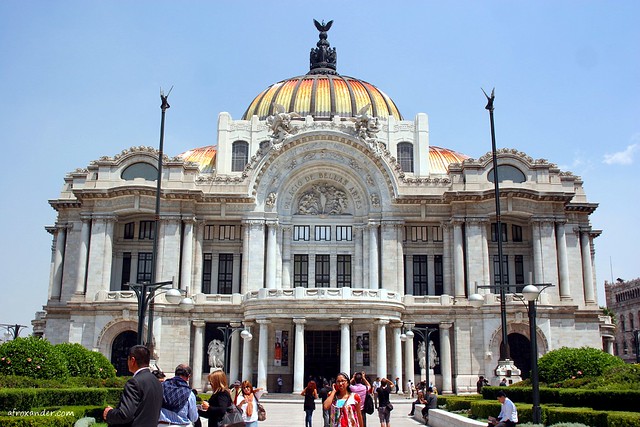
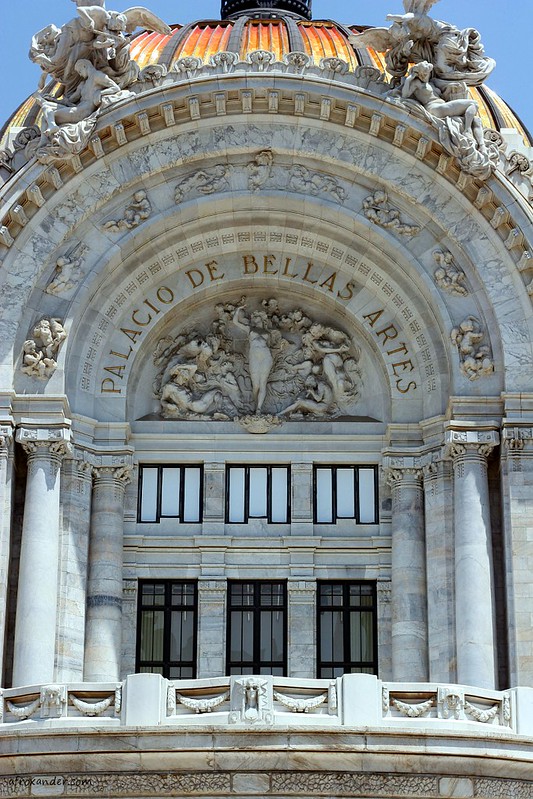
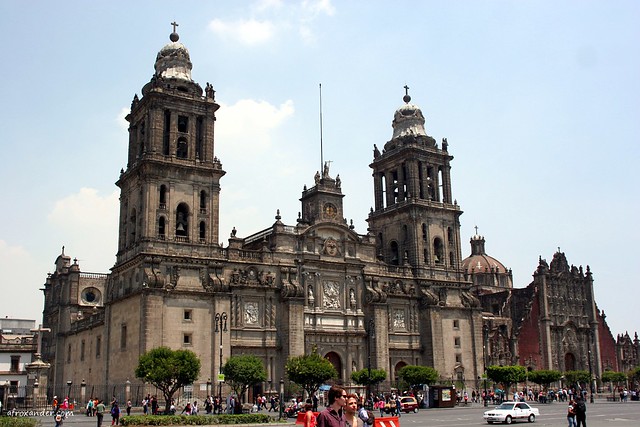
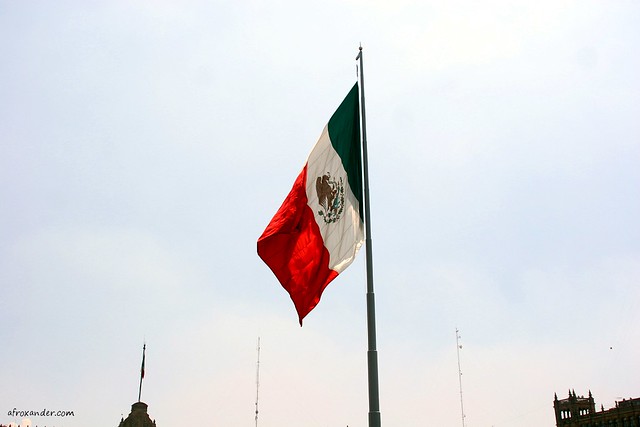
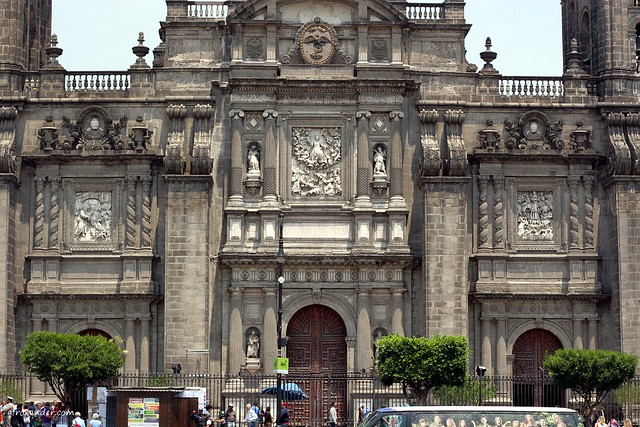
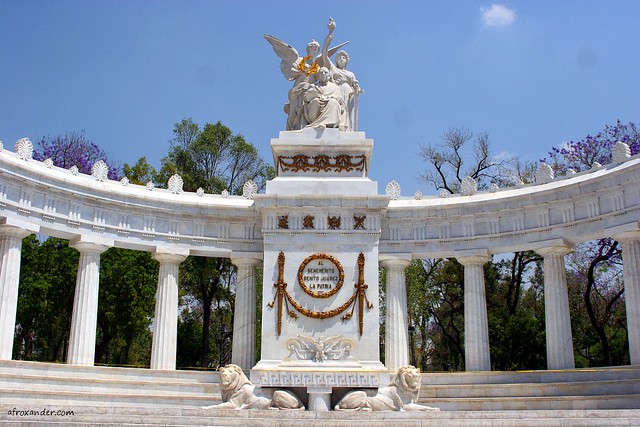
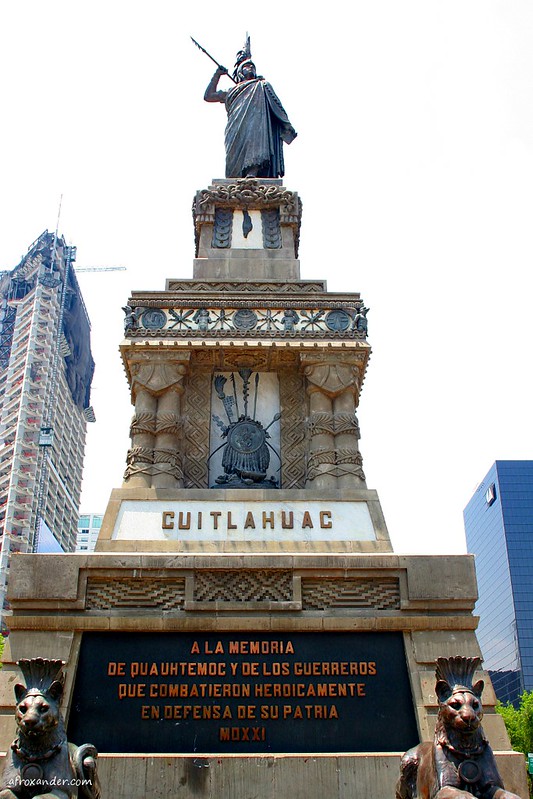
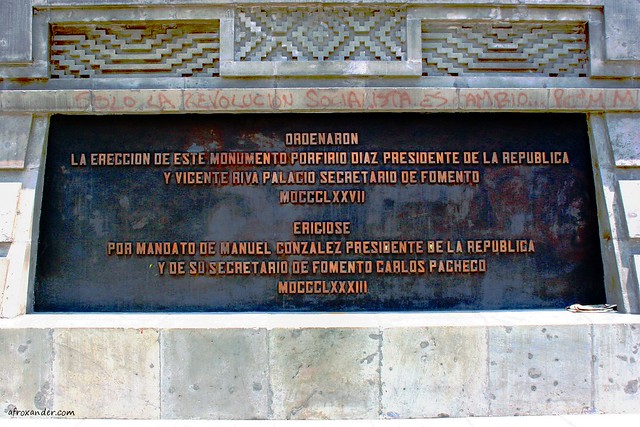
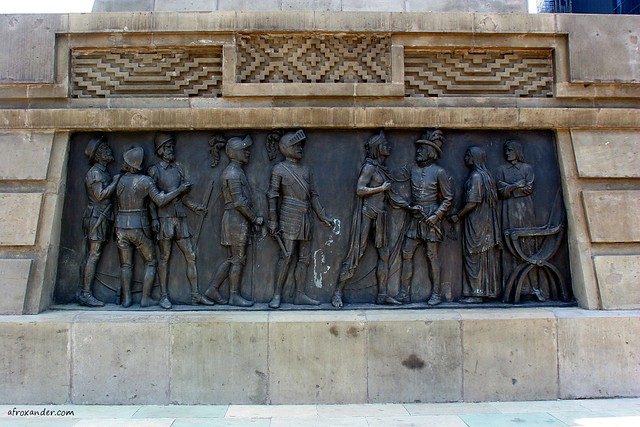
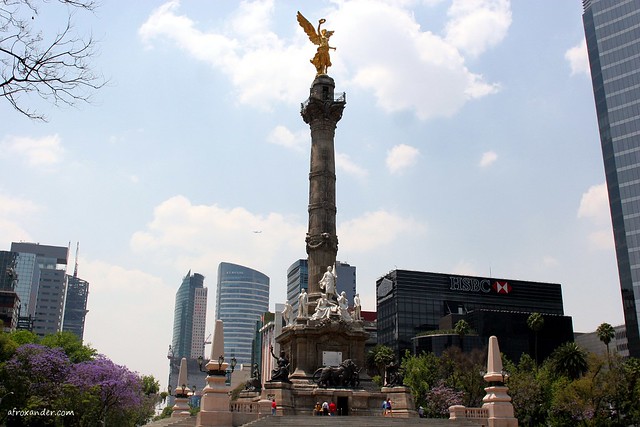
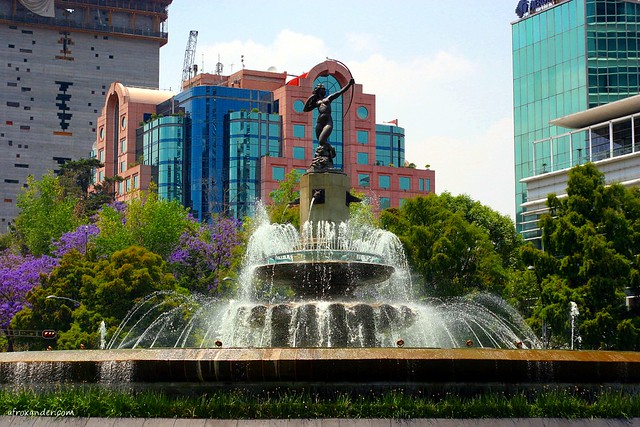
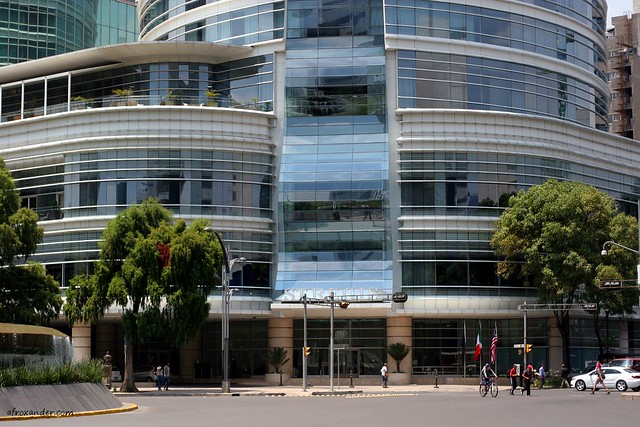
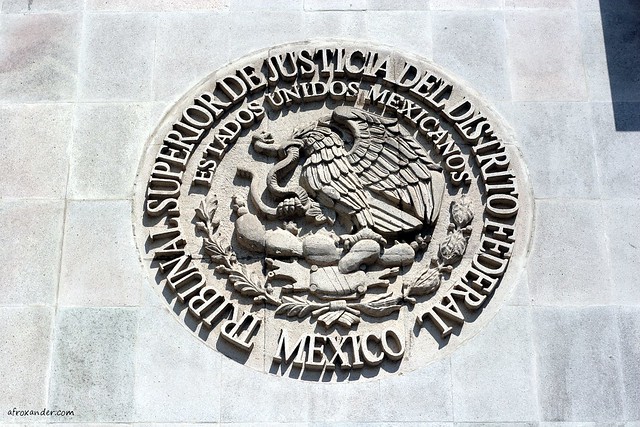
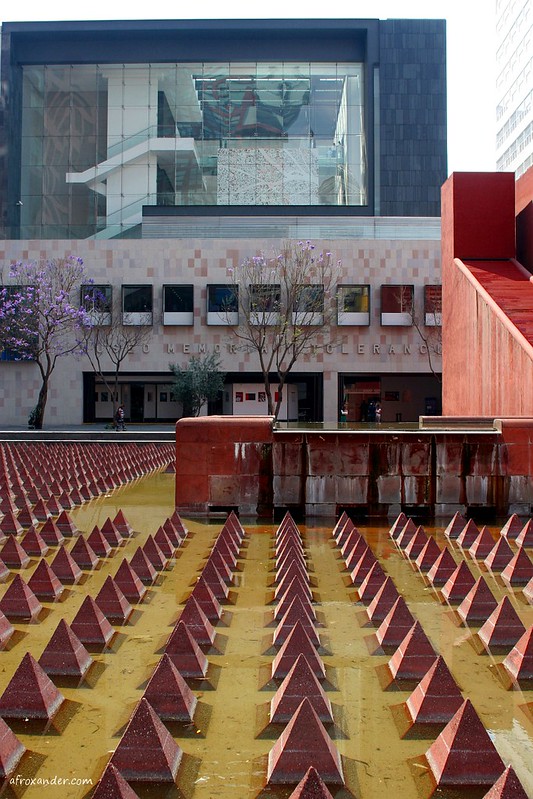
These are the last set of photos from my trip to Mexico. I spent the last two days of my trip at the Palacio de Bellas Artes, the Zocalo (Main Square), and the Paseo de la Reforma. There are more photos HERE.
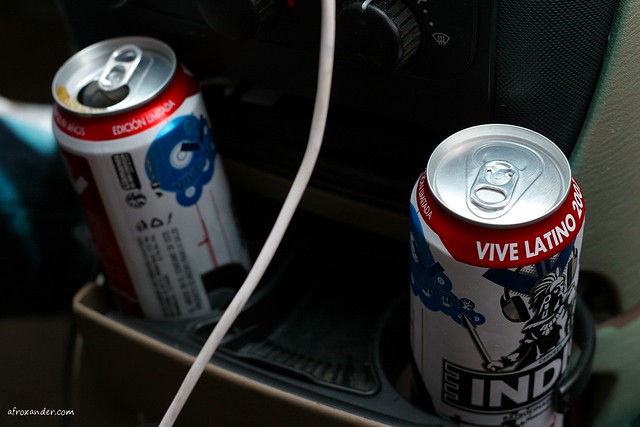
I skipped the last day of the Vive Latino festival for good reason: to take a trip to the city of Teotihuacán de Arista. The city is home to the Pre-Hispanic City of Teotihuacán, an ancient, Pre-Colombian city important to the Mayans and Aztecs such as the Nahua, Otomi, and Totonac people of southern Mexico (the exact information is still debated by scholars).
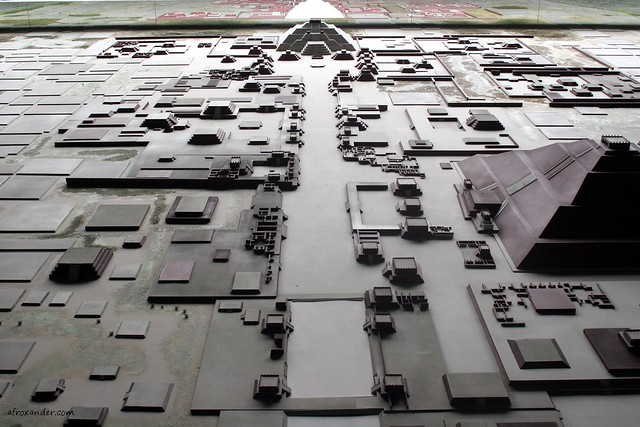
The ancient city includes many large and important structures such as the Avenue of the Dead (Calzada de los Muertos), the Pyramid of the Sun (Piramide del Sol), Pyramid of the Moon (Piramide de la Luna), and many others.
Unfortunately, my trip was cut short by a sudden and powerful thunderstorm that occurred the moment I step foot on the summit of the Pyramid of the Sun.
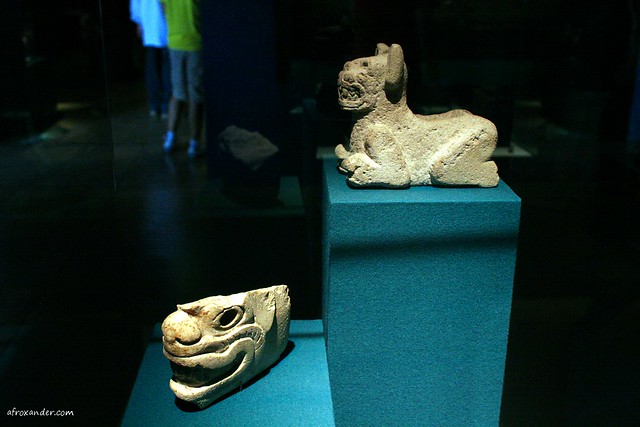
Below are some photos of my journey from Mexico City to Teotihuacán. The full set can be found HERE.
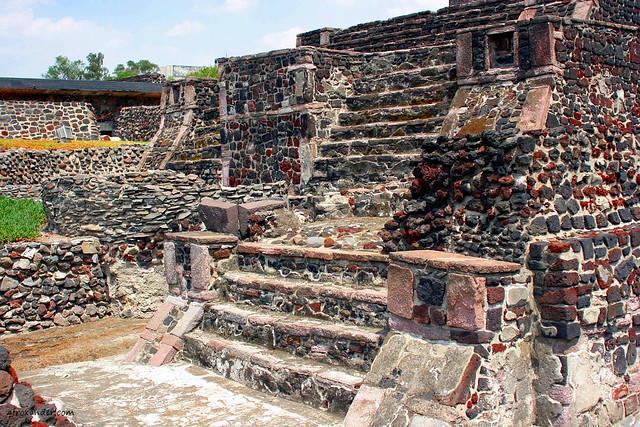
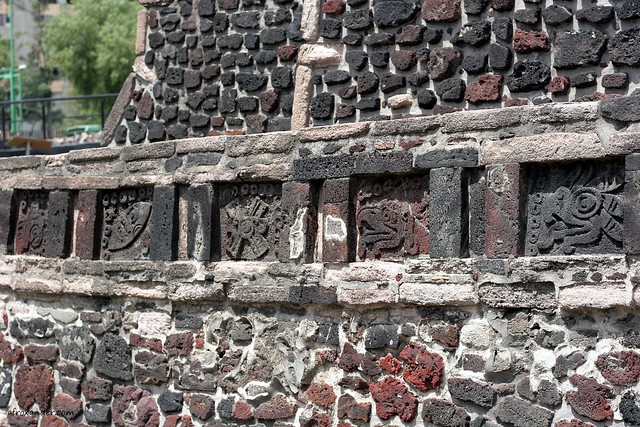
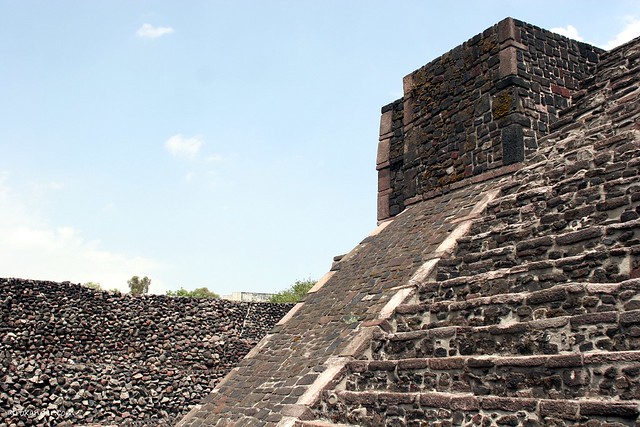
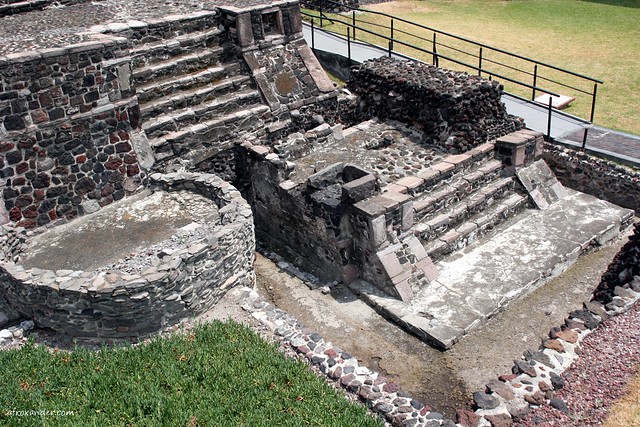
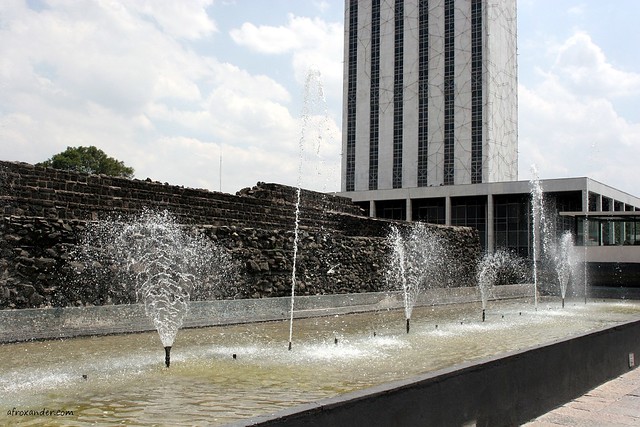
The Plaza De Las Tres Culturas in the Mexico City neighborhood of Tlatelolco is one of the most important historical sites in the country. The site is known by that name because it is home to the three cultures of Mexico: Indigenous, Spanish, and Mestizo (Native & European descent). There’s a large stone slab that marks the area as the “painful birthplace” of Mestizos and, thus, the birthplace of modern Mexico.
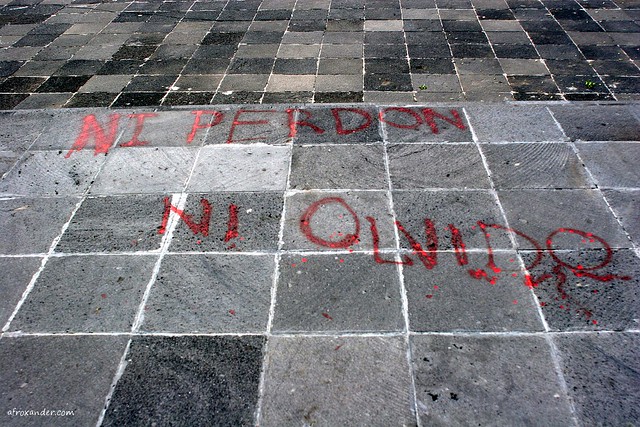
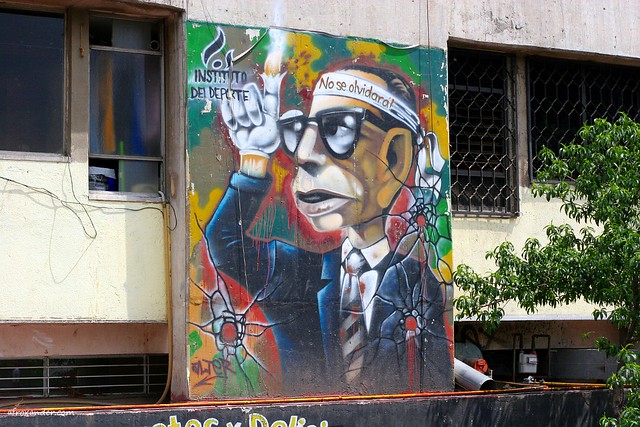
It’s also the site of Tlatelolco Massacre of 1968. Thousands of students convened at the plaza on October 2nd of that year to continue their protests against the policies of president Gustavo Diaz Ordaz and the PRI. Military snipers fired at their own servicemen in order to provoke their attack on the protestors. The exact death toll is still unknown but numbers vary between 30 to over 300.
I spent a few hours at the site shooting photos. Click here for the full set and a few of my favorites below:
Back in February, I spoke with artist Ernesto Yerena for an interview that appeared in Remezcla.
One interesting tidbit that I was unable to include in the article was a portion about the boxing match between Julio Cesar Chavez and Oscar de la Hoya in 1996. Yerena talks about how the fight exposed him to the complexities of identity among Mexicans on both sides of the US/Mexico border, which he lived near in El Centro, CA.
I’ve been in Mexico since last Saturday, March 22nd, and have enjoyed every second of it. I’ll be here until April 2nd when I’ll fly out of Mexico City and into Phoenix, AZ for the Mexico/USA game.
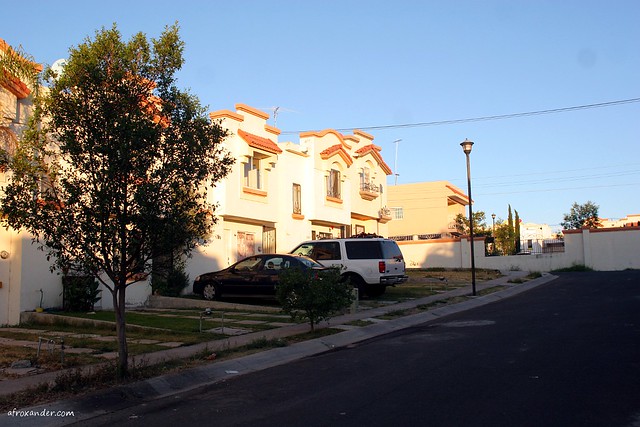
Below is a photo from a neighborhood in Tonalá near Guadalajara, Jalisco. I spent three days there before moving on to Mexico City with the main purpose of covering the Vive Latino festival.
Major League Soccer’s (MLS) 2014 season will kick off this Saturday and, as expected, the league has been hard at work hyping up opening weekend. Unfortunately for the league, a few factors are looking to rain on the MLS parade: renewed competition from the North American Soccer League (NASL) and, more urgently, the impasse between MLS’s Professional Referee Organization (PRO) and the Professional Soccer Referees Association (PSRA).
PRO announced this morning that they have decided to lock out referees from the PSRA this opening weekend. The league will resort to its backup plan of non-union (re: scab) referees composed of foreign referees, former MLS officials, and refs from other leagues. The PRO even held a mini-camp for potential temporary replacements last week. Things could go well enough with no one noticing any changes…or they could be utterly disastrous.
Members of the PSRA voted 64 – 1 in favor of a strike back in February and talks on the group’s first collective bargaining agreement with the PRO earlier this week failed. The PSRA also filed charges with the National Labor Relations Board claiming bad-faith bargaining and accusing members of PRO with making threats against members of the PSRA.
The Professional Soccer Referees Association, otherwise known as the refs union, has been attempting to negotiate their first collective bargaining agreement in league history. The amount of money that separated the two parties is not vast, estimated between $440,000 and $1 million for the lifetime of the deal. The main financial issue was that in recent years, MLS mandated far more trainings for referees to improve the quality of officiating. The refs, however, were not compensated for the extra hours.
The greater issue, however, was political. It was the fact that the refs union refused to sign a no-strike pledge. As the MLS league negotiator Peter Walton said, “Since they will not give us a guarantee they will not go on strike immediately prior to our match we are left in a position where we must use replacement officials.”
Some of the more cynical comments about this situation that I’ve read in various articles claim this was a move by the PRO for publicity. All publicity is good publicity and the issue will be resolved in due time but only after a good amount of publicity about this situation makes a few rounds.
On a smaller but potentially larger problem down the road, NASL commissioner Bill Peterson called out Garber and the MLS for some questionable moves regarding the league’s expansion fever.
Just a few days ago, MLS commissioner Don Garber hyped up Texan cities Austin and San Antonio as a possibility for the home of a future MLS team. That news came weeks after David Beckham announced plans for his own MLS franchise in Miami, Florida, all of which prompted a few comments from NASL commissioner Bill Peterson during a press conference call early last week.
NASL commissioner Bill Peterson (Dave Martinez, Empire Of Soccer)
The NASL has teams in San Antonio, Atlanta, Minneapolis, New York City and Miami…all cities where MLS will expand or has looked into expanding. MLS will likely be at 24 teams total by 2020.
Peterson originally announced that the reborn NASL (the original league folded in 1984) would not compete directly with MLS and, instead, focus on building its own separate fan base and focus on creating a system of promotion/relegation after some growth.
His tune changed immediately last week when MLS began digging footholds in his league’s turf.
“Can somebody tell me, is he going to have 32 teams or 42 teams?” Peterson asked rhetorically of Garber without mentioning him by name. “How many is he going to have? Every day he announces another city. I’ve got to send him an update of where we’re going so he can announce that next.”
What few, if anyone, persons have pointed out is how this expansion echoes the past. The original NASL was a closed league (as MLS is today) that eventually fell apart due to rapid expansion among other factors…including some that are beginning to appear in MLS (expansion, union disputes, etc.).
Naturally, there’s been plenty of speculation of where this road will eventually lead to; a second American Soccer War, an implosion of the MLS, a temporary setback to MLS domination, etc. Whatever the final result may be, we’ll look back at 2014 as simply a pebble in MLS’s shoe or the first sign of the levee breaking.