Luis Nariño and the Strange Behavior of his Noble Creatures

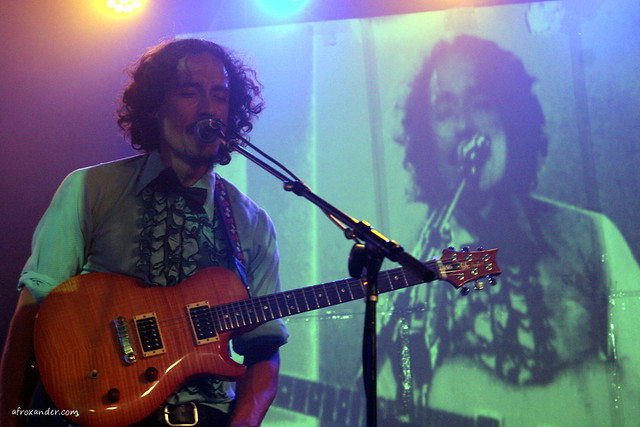
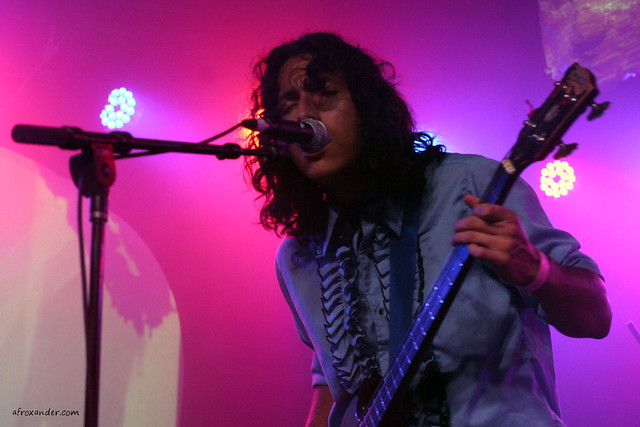
Noble Creatures Press Pic 2

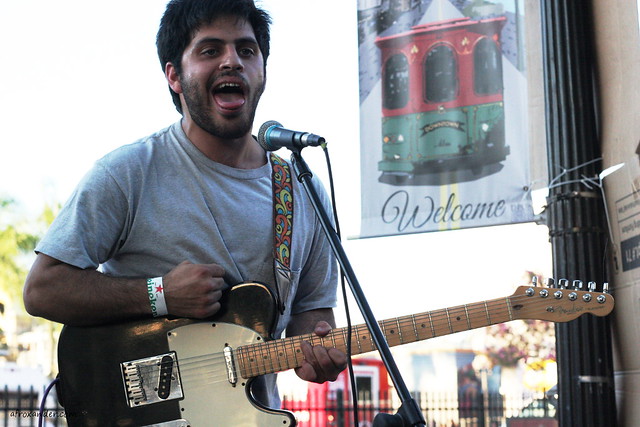
Dedication is the best word to describe Luis Nariño, the founder and frontman of Latin Alternative Rock/Pop group Noble Creatures. Today, September 2nd, marks the end of a five-year quest to complete and publish his band’s debut album, Strange Behavior.

The journey began about a decade ago when Nariño arrived in L.A. from Kansas for the sole purpose of launching his career as an artist. A rotating cast of musicians and a debut EP for the Luis Nariño Band eventually gave way to the solidified lineup of Nariño (lead vocals/rhythm guitar), Marcos Mora (drums), Ruben Salinas (Tenor Sax), Evan Mackey (trombone), Brina Simon (trumpet), David Bowman (bass), and Cliff Beach (backup vocals) in Noble Creatures.

I spoke with Nariño at a restaurant in the Farmer’s Market about the album and how his Colombian-American upbringing shaped his life and music. The edited interview is below as a playlist.

Strange Behavior is now available on iTunes and other major online distributors. Noble Creatures will play a album release party at The Virgil on Saturday, September 6th.
Viva Pomona 2014 Photos

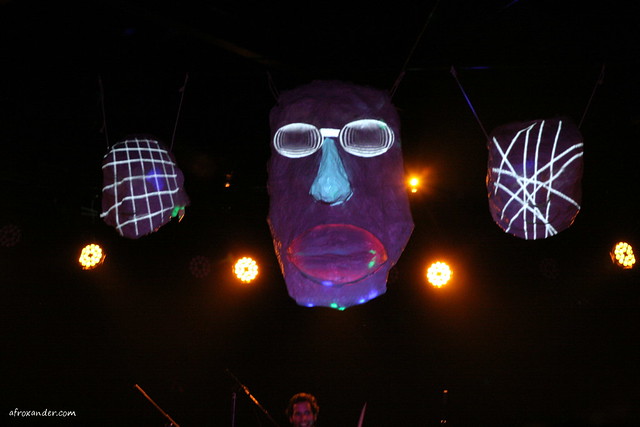
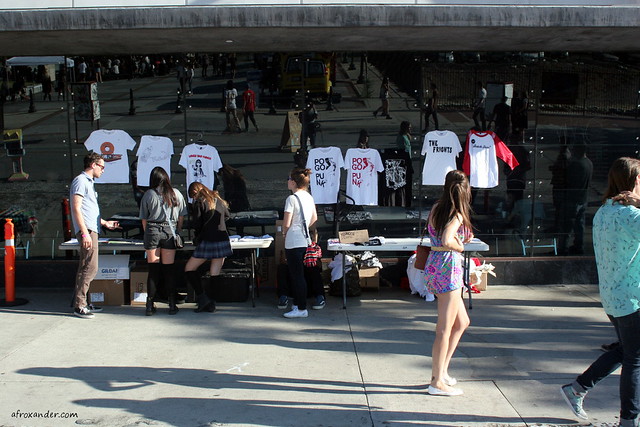
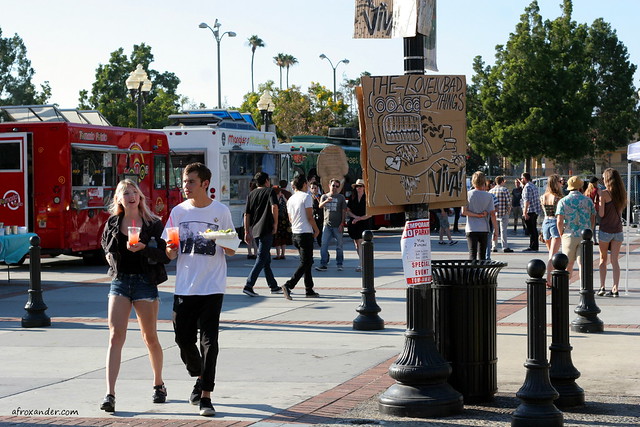
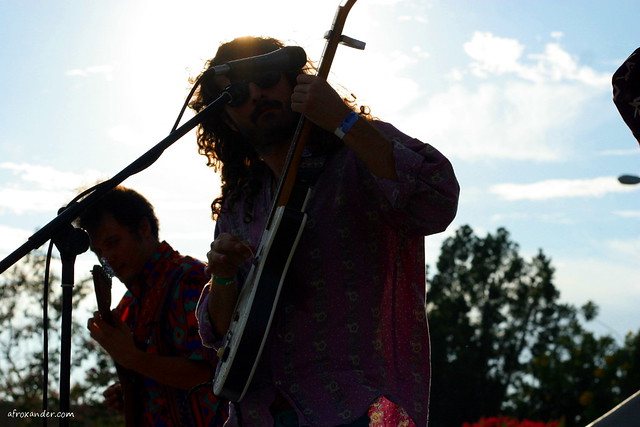
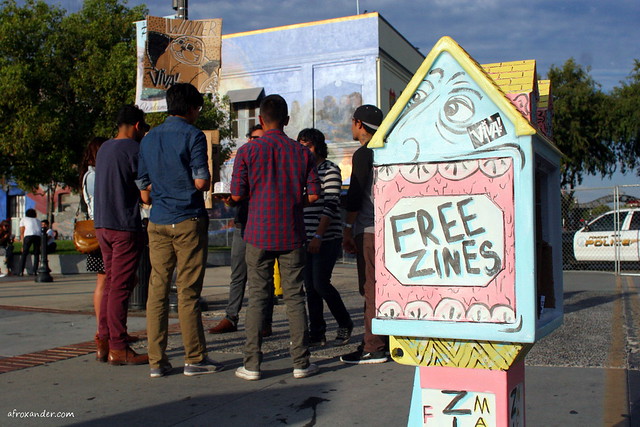
Viva Pomona is a small, two-day music festival in the city of Pomona packed with lots of local and international artists with a focus on independent and upcoming artists.
I interviewed the festival’s founder in this piece, Viva Pomona Festival Celebrates A City Unfairly Overshadowed By Los Angeles, for Remezcla.

As always, I shot some photos. Below are some of my favorites. The full set is available on my flickr.

viva_pomona_001

viva_pomona_003

viva_pomona_008

viva_pomona_010

viva_pomona_014

viva_pomona_018

viva_pomona_020

viva_pomona_021

viva_pomona_022

viva_pomona_026

viva_pomona_032

viva_pomona_034

viva_pomona_037

viva_pomona_038

viva_pomona_039

The Doorless Bathroom Stall Of The Sacsara River

Back in 2012, I took a trip out to Machu Picchu in Peru. My group’s trek to the ancient city included a stop at Cola De Mono zipline near Santa Teresa. We had about an hour of time to kill before the employees returned from assisting the group before us and, somewhere along the way, my breakfast was ready to escape my intestines.

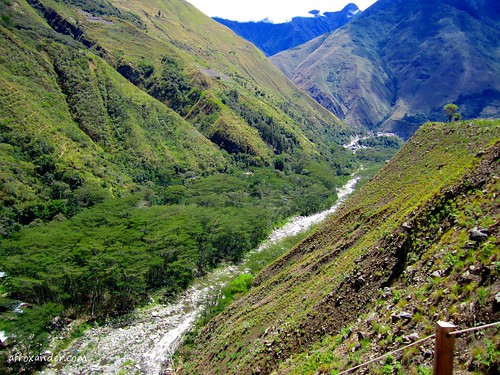
I walked around the large, outdoor waiting area and found the sign for the restroom. The bathroom was many feet away from the entrance facing the Sacsara river that borders the park on one side.

I walked over to a small paved area where a lone, single-person stall stood under the shade of a number of trees. Three of the stall’s sides were dressed in thin bamboo reeds and foliage and the entrance…had no door!

“Where’s the door?” I asked out loud to no one because everyone was near the entrance killing time by playing a bean-bag toss game. There was no door, no curtain, nothing to spare the world, especially the river of gorgeous, crystal-clear water, the view of my answering nature’s call.

I figured the bathroom was out of order but a flush of the toilet showed me wrong. Meanwhile, my stomach continued to warn me there’d be no chance of flying over the Sacsara on a zipline with irritable bowels (all those damn potatoes!).

So be it.

I sat down, pulled my pants down far enough and went to town.

There I was, sitting on and shitting in a toilet facing the Sacsara river, various exotic birds singing their songs amid the gentle rush of the running water, the cool mountain air doing its thing as the greatest air freshener money will never be able to buy.

It was the most unexpected place to find bliss.

machu_huayna_029
You can see the roof of the stall in the lower-left corner.

The World Cup Reader

The World Cup is less than two weeks away and I’ve found myself neck-deep in compelling and insightful stories/articles about the event, the sport, and host nation Brazil.

I’m going to share my favorites in this post. Bookmark this link because I’ll be updating it with new stories as I come across them.

From Mexico City To Teotihuacán

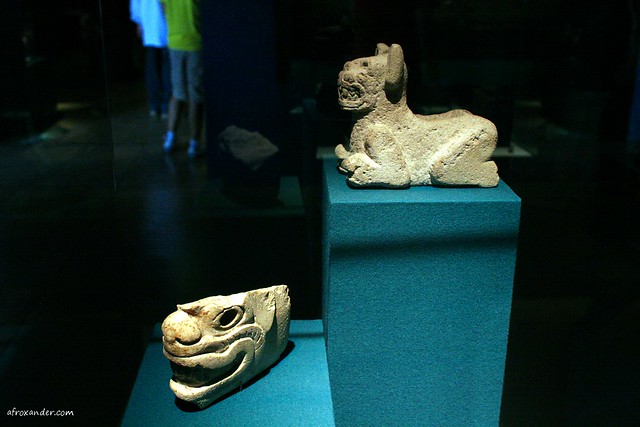
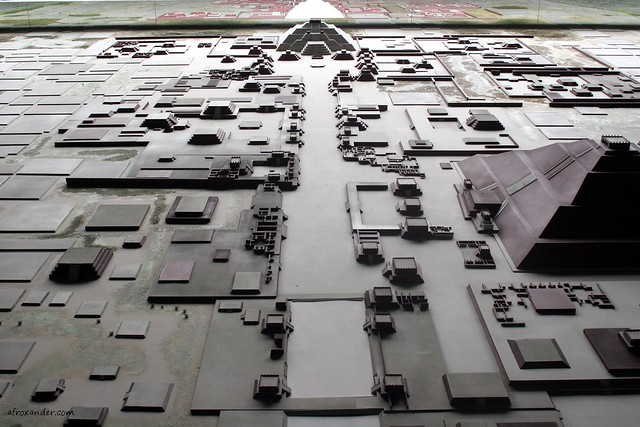
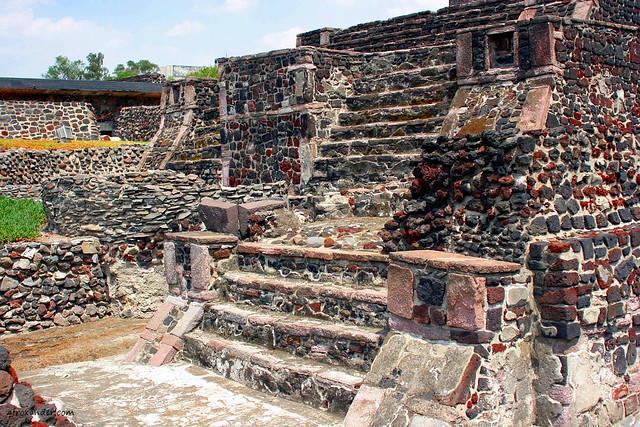
I skipped the last day of the Vive Latino festival for good reason: to take a trip to the city of Teotihuacán de Arista. The city is home to the Pre-Hispanic City of Teotihuacán, an ancient, Pre-Colombian city important to the Mayans and Aztecs such as the Nahua, Otomi, and Totonac people of southern Mexico (the exact information is still debated by scholars).

The ancient city includes many large and important structures such as the Avenue of the Dead (Calzada de los Muertos), the Pyramid of the Sun (Piramide del Sol), Pyramid of the Moon (Piramide de la Luna), and many others.

Unfortunately, my trip was cut short by a sudden and powerful thunderstorm that occurred the moment I step foot on the summit of the Pyramid of the Sun.

Below are some photos of my journey from Mexico City to Teotihuacán. The full set can be found HERE.

teotihuacan_006

teotihuacan_009

teotihuacan_013

teotihuacan_015

teotihuacan_017

teotihuacan_019

teotihuacan_020

teotihuacan_025

teotihuacan_026

teotihuacan_030

teotihuacan_033

teotihuacan_037

teotihuacan_039

teotihuacan_049

teotihuacan_051

teotihuacan_055

teotihuacan_056

teotihuacan_058

teotihuacan_061

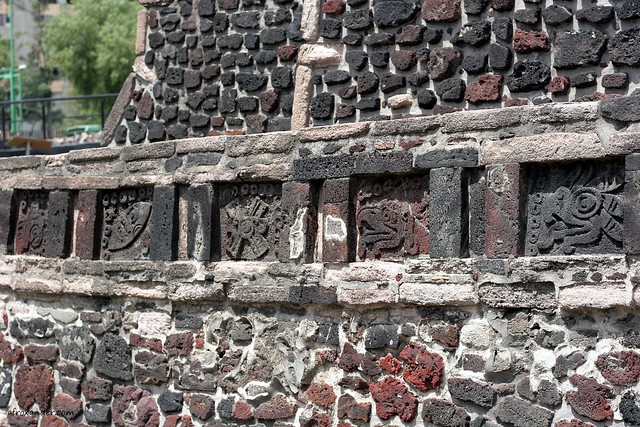
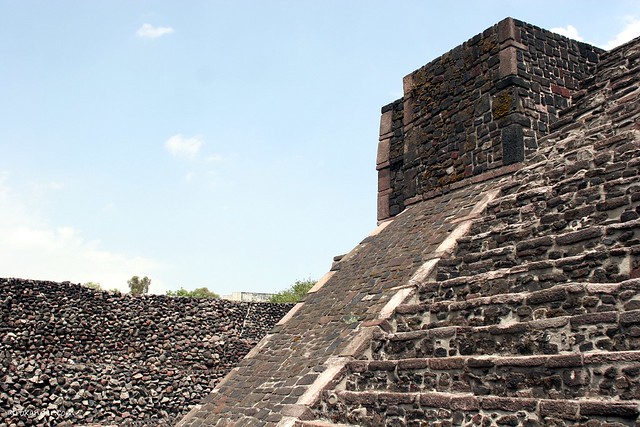
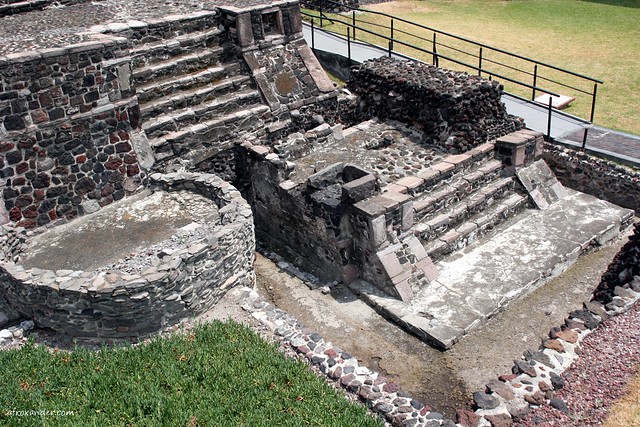
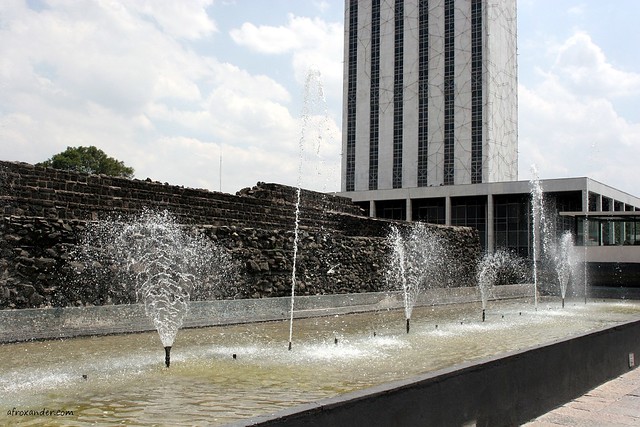
Tlatelolco & the Plaza De Las Tres Culturas (The Square of Three Cultures)

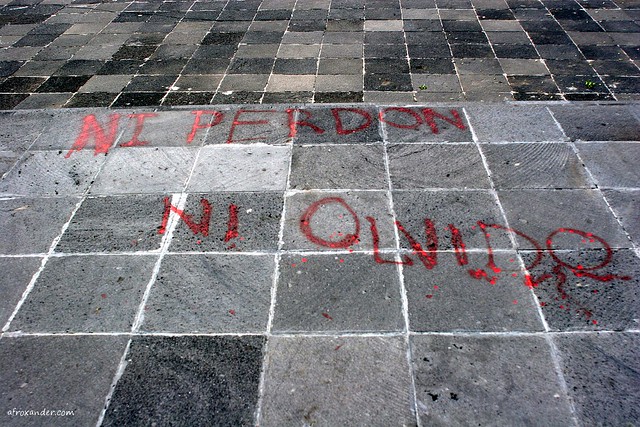
The Plaza De Las Tres Culturas in the Mexico City neighborhood of Tlatelolco is one of the most important historical sites in the country. The site is known by that name because it is home to the three cultures of Mexico: Indigenous, Spanish, and Mestizo (Native & European descent). There’s a large stone slab that marks the area as the “painful birthplace” of Mestizos and, thus, the birthplace of modern Mexico.

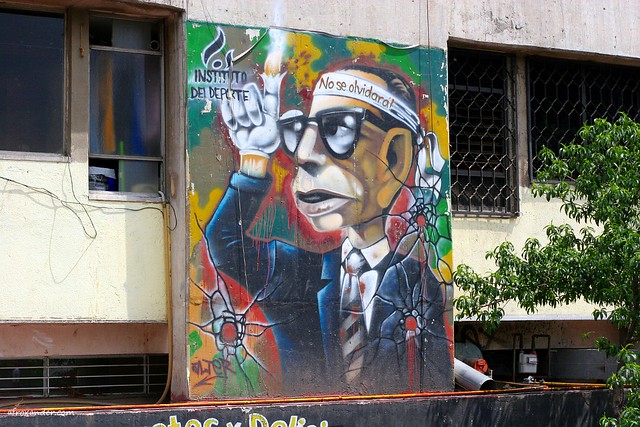
It’s also the site of Tlatelolco Massacre of 1968. Thousands of students convened at the plaza on October 2nd of that year to continue their protests against the policies of president Gustavo Diaz Ordaz and the PRI. Military snipers fired at their own servicemen in order to provoke their attack on the protestors. The exact death toll is still unknown but numbers vary between 30 to over 300.

I spent a few hours at the site shooting photos. Click here for the full set and a few of my favorites below:

tlatelolco_002

tlatelolco_009

tlatelolco_012

tlatelolco_020

tlatelolco_025

tlatelolco_031

tlatelolco_036

tlatelolco_040

tlatelolco_047

tlatelolco_049

tlatelolco_056

tlatelolco_065

The Politics of Identity and the Chavez/De La Hoya Fight

Back in February, I spoke with artist Ernesto Yerena for an interview that appeared in Remezcla.

One interesting tidbit that I was unable to include in the article was a portion about the boxing match between Julio Cesar Chavez and Oscar de la Hoya in 1996. Yerena talks about how the fight exposed him to the complexities of identity among Mexicans on both sides of the US/Mexico border, which he lived near in El Centro, CA.

Listen to the audio below:

Edward James Olmos Supports Legalization of Drugs

Back in October of 2013, the Los Angeles Latino International Film Festival (LALIFF) hosted its latest film festival in the heart of Hollywood.

One of the more controversial selections at the festival was the documentary Narco Cultura. The film covers the many aspects of Mexican culture in both Mexico and the US that have been affected by the rise of drug trafficking organizations including some that glorify the narco way of life.

There was a brief Q&A panel after the screening and festival co-founder Edward James Olmos took a few minutes to express his views on how the legalization of drugs could change society in a positive way citing Portugal as an example.