


Tag: Mexico
Photos From Mexico vs. Ecuador International Friendly Match
The national teams of Mexico and Ecuador met at the Los Angeles Memorial Coliseum on Saturday March 28th for an international friendly match. Mexico won the game 1 – 0 thanks to a goal by Javier “Chicharito” Hernandez, his 39th for the national team which moved him past Cuauhtemoc Blanco as Mexico’s second leading goal-scorer.
It goes without saying I attended and got some great photos in the process. The full album of photos is on my flickr. Below are some of my favorites from the event.

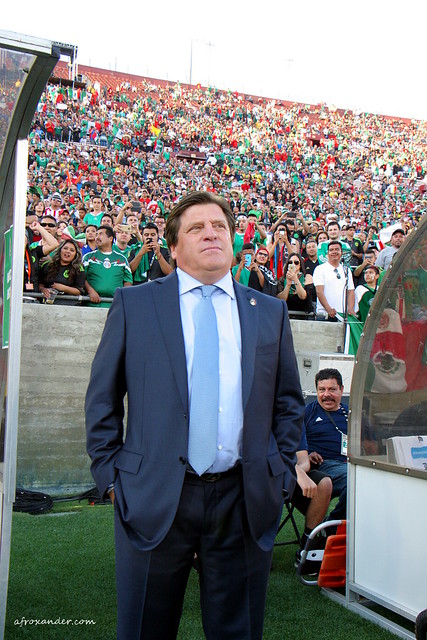
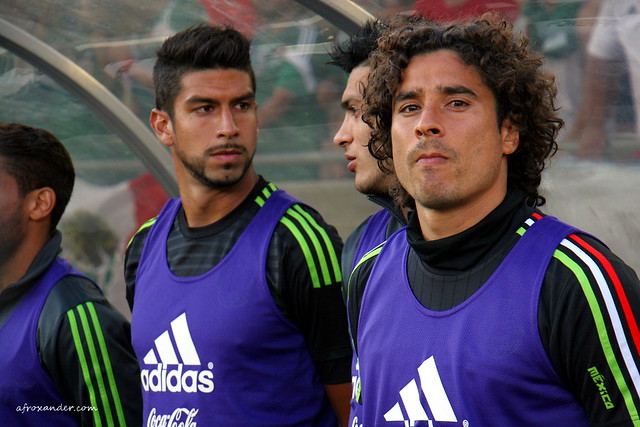

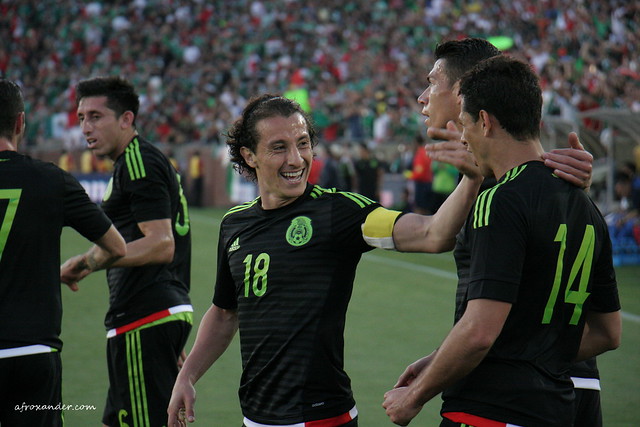
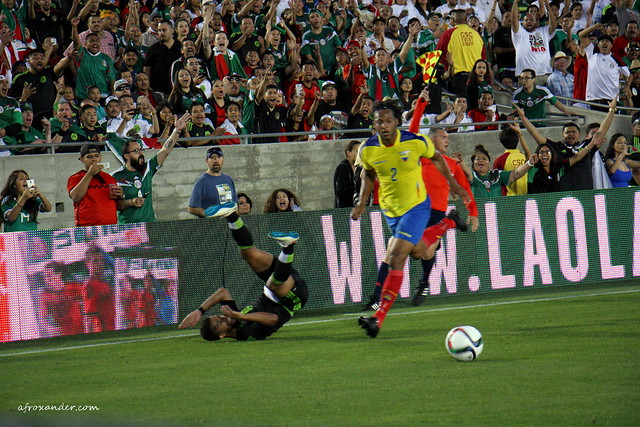


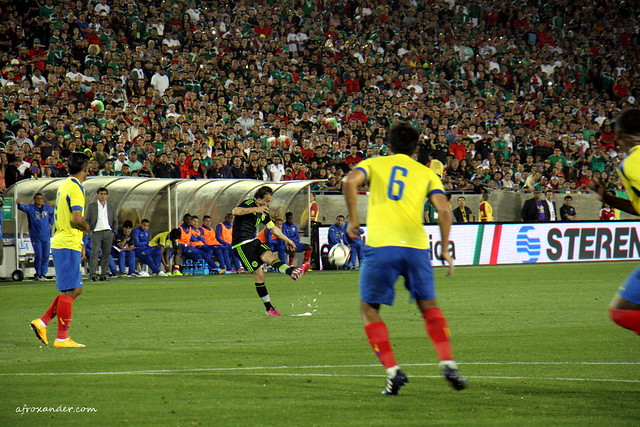
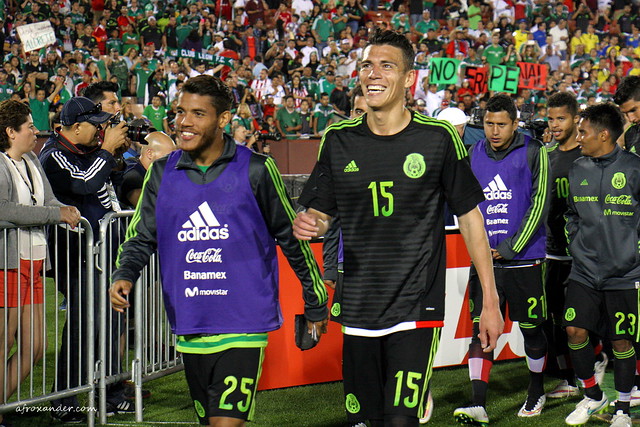

Spot me with my camera behind the goal
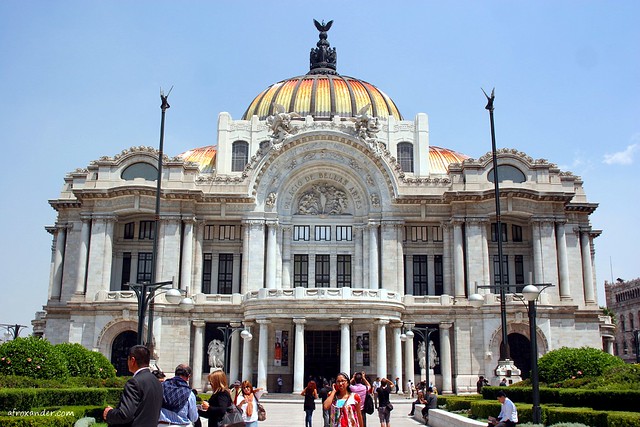
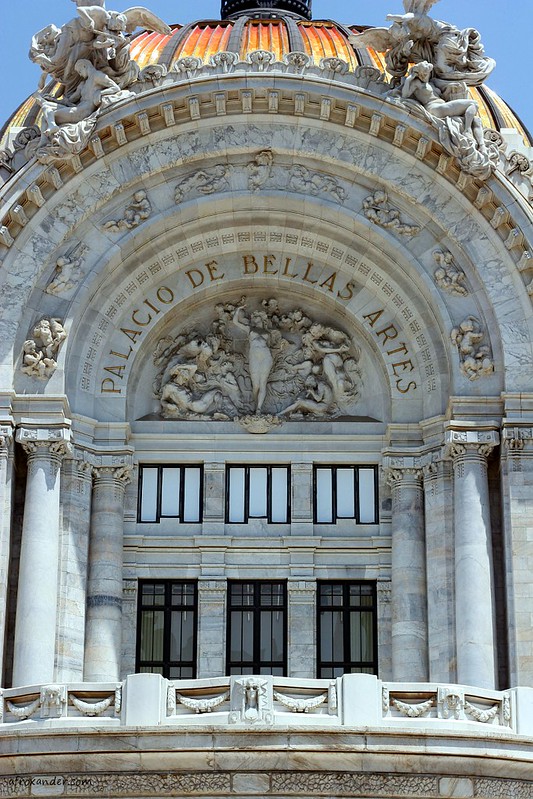
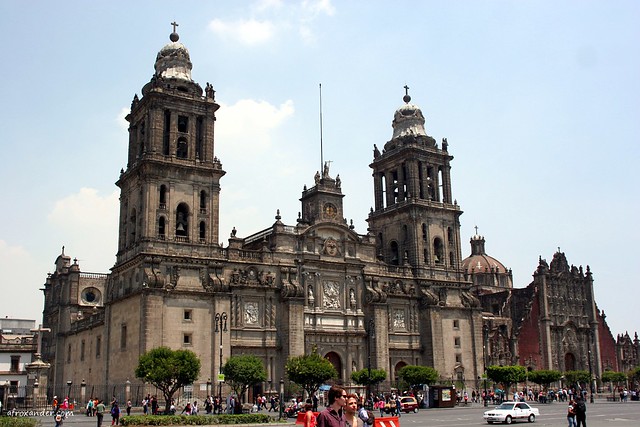
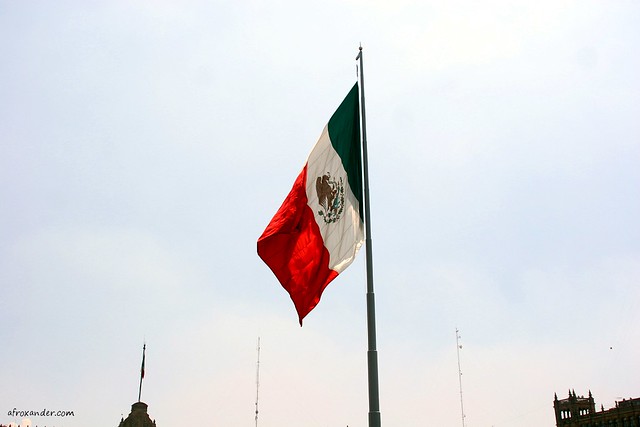
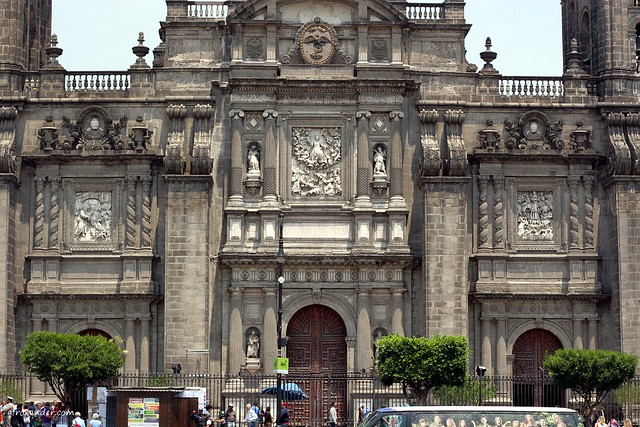
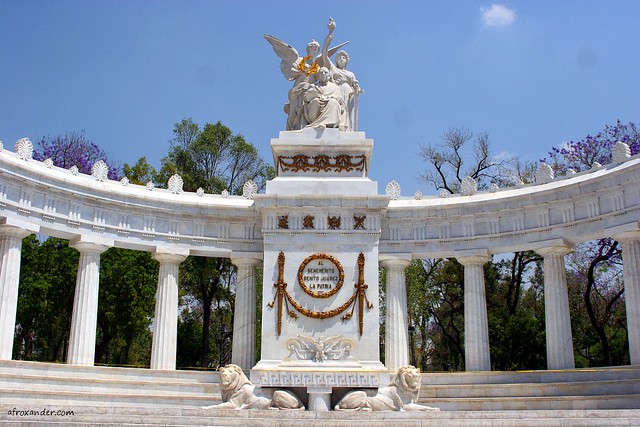
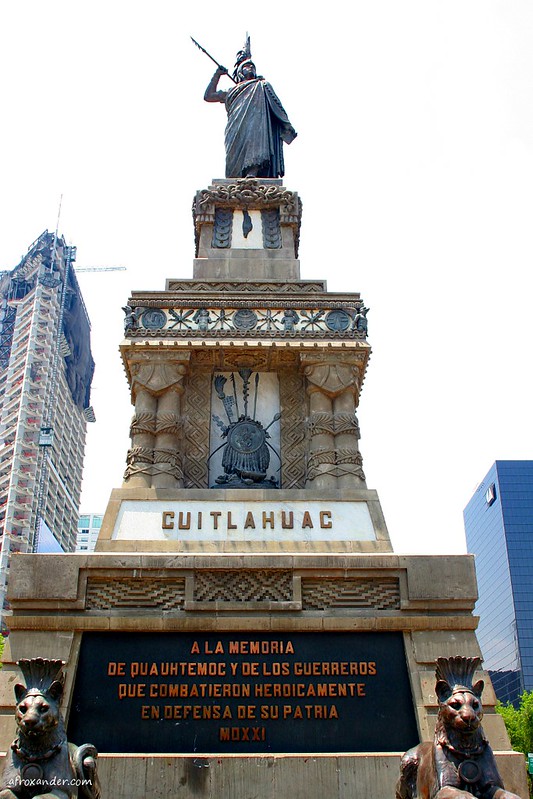
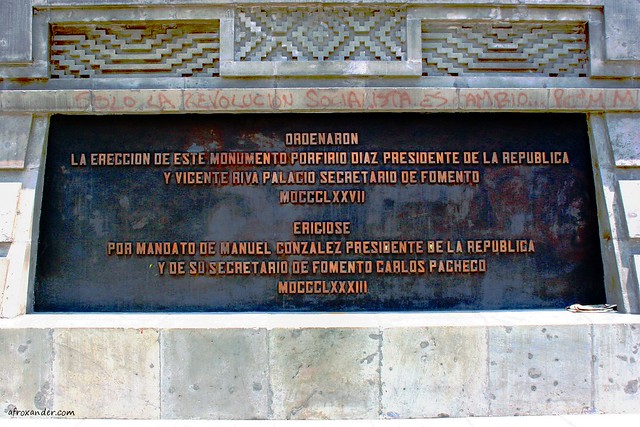
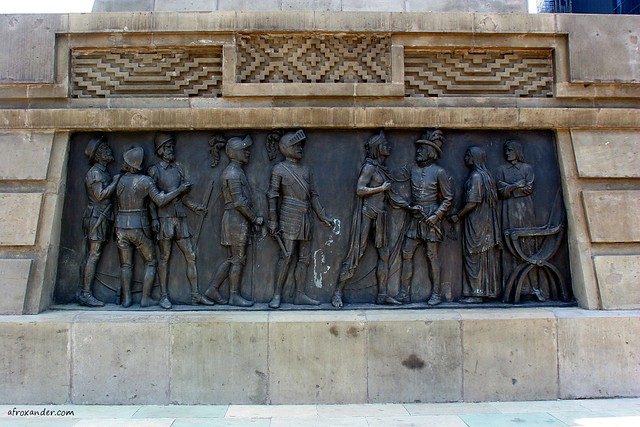
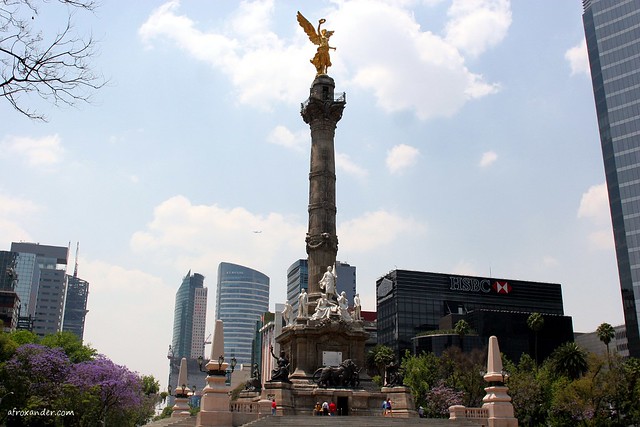
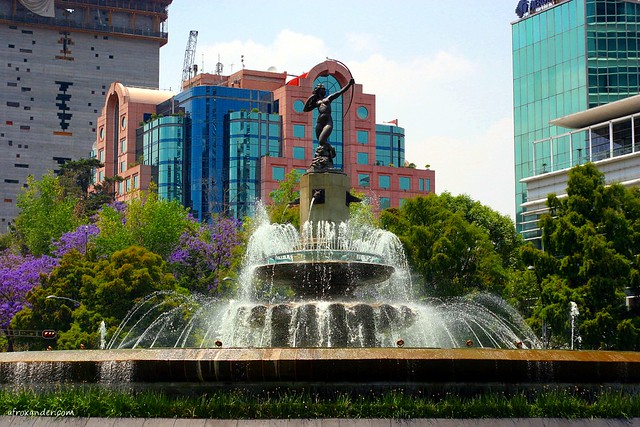
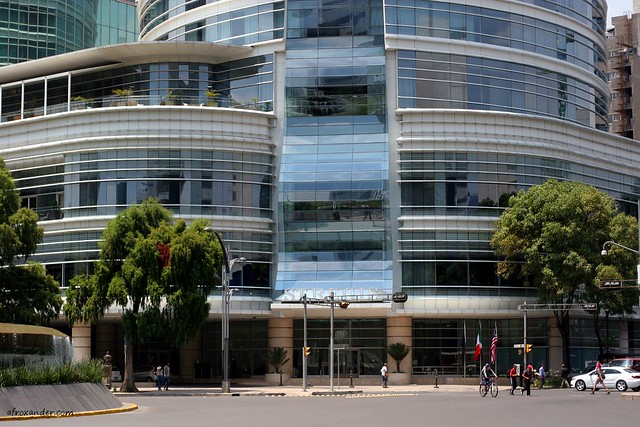
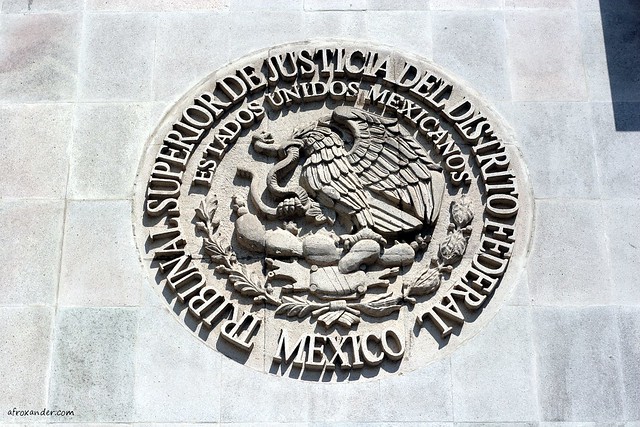
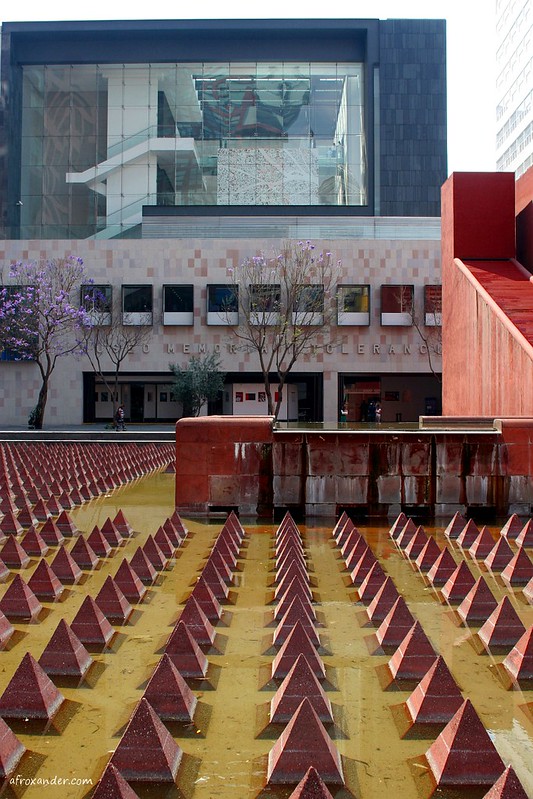
Bellas Artes, Zocalo and the Paseo de la Reforma
These are the last set of photos from my trip to Mexico. I spent the last two days of my trip at the Palacio de Bellas Artes, the Zocalo (Main Square), and the Paseo de la Reforma. There are more photos HERE.







From Mexico City To Teotihuacán
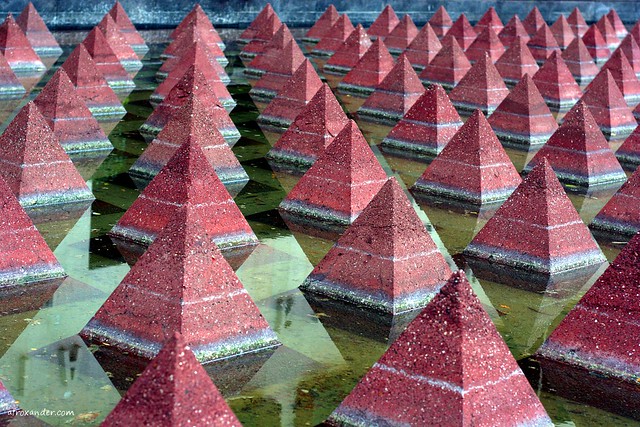
I skipped the last day of the Vive Latino festival for good reason: to take a trip to the city of Teotihuacán de Arista. The city is home to the Pre-Hispanic City of Teotihuacán, an ancient, Pre-Colombian city important to the Mayans and Aztecs such as the Nahua, Otomi, and Totonac people of southern Mexico (the exact information is still debated by scholars).
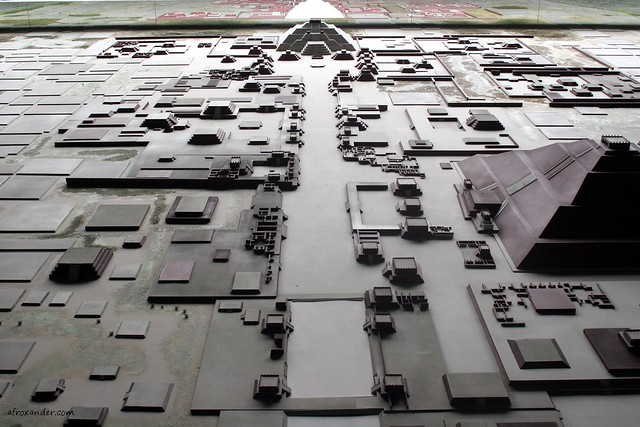
The ancient city includes many large and important structures such as the Avenue of the Dead (Calzada de los Muertos), the Pyramid of the Sun (Piramide del Sol), Pyramid of the Moon (Piramide de la Luna), and many others.
Unfortunately, my trip was cut short by a sudden and powerful thunderstorm that occurred the moment I step foot on the summit of the Pyramid of the Sun.
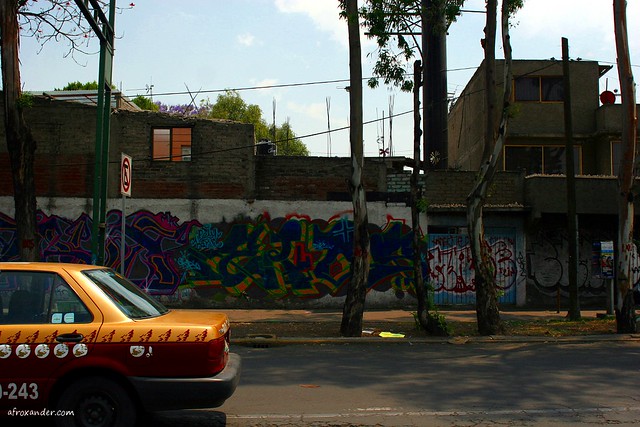
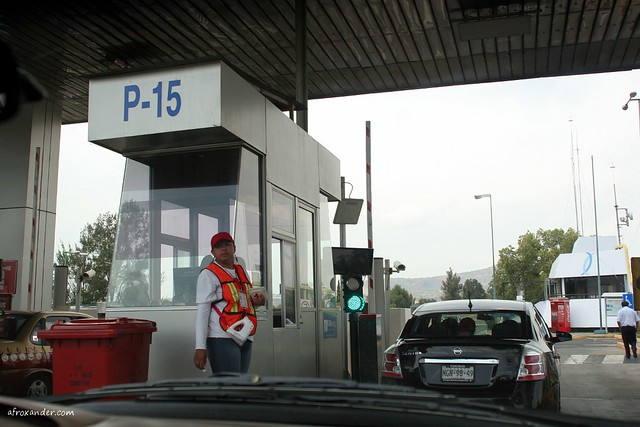
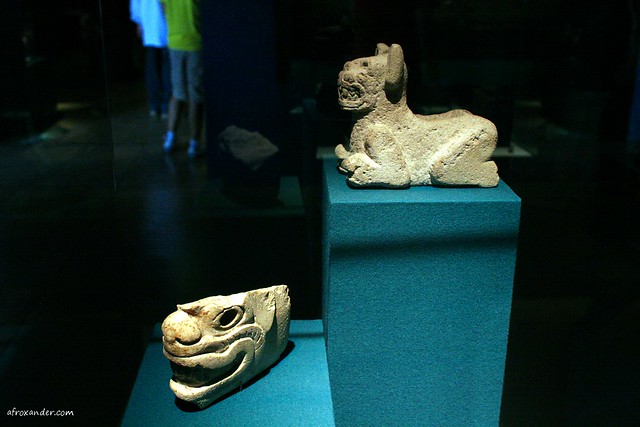
Below are some photos of my journey from Mexico City to Teotihuacán. The full set can be found HERE.







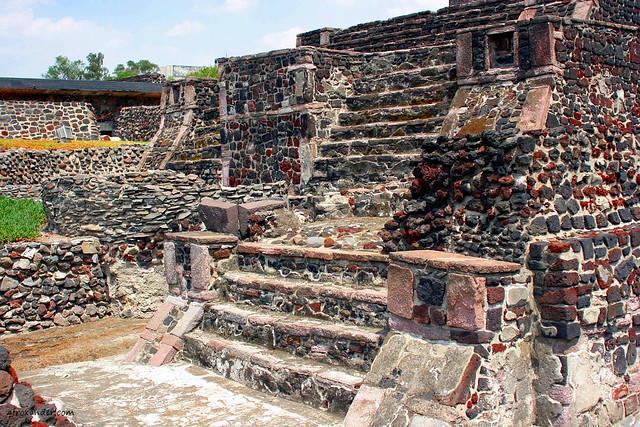
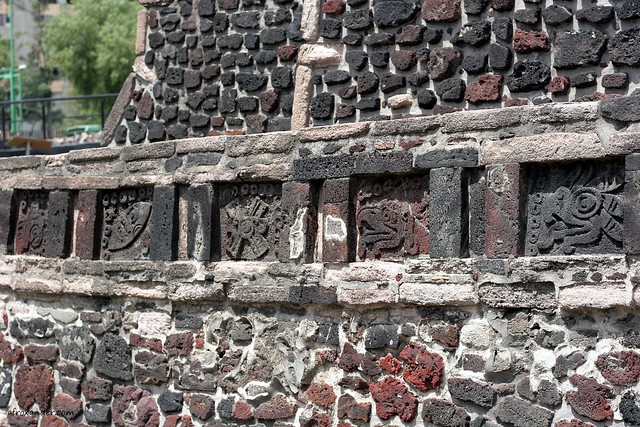
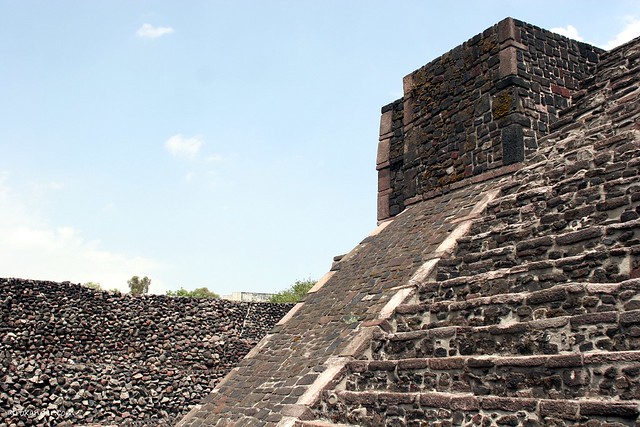
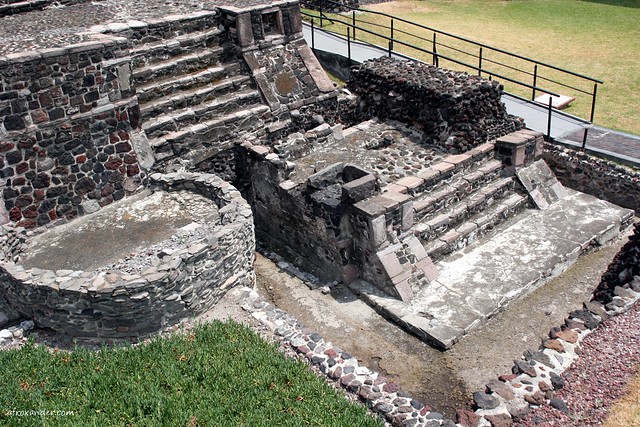
Tlatelolco & the Plaza De Las Tres Culturas (The Square of Three Cultures)
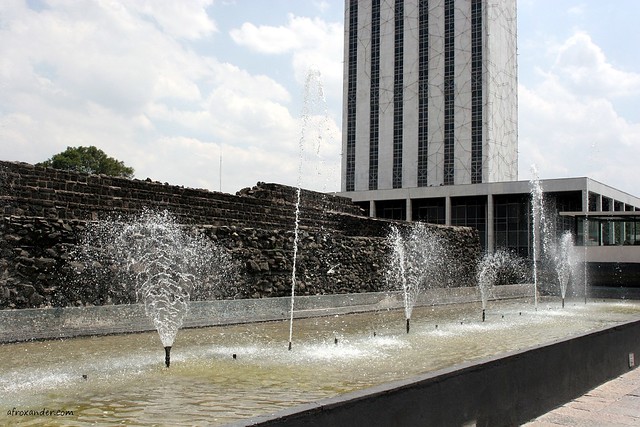
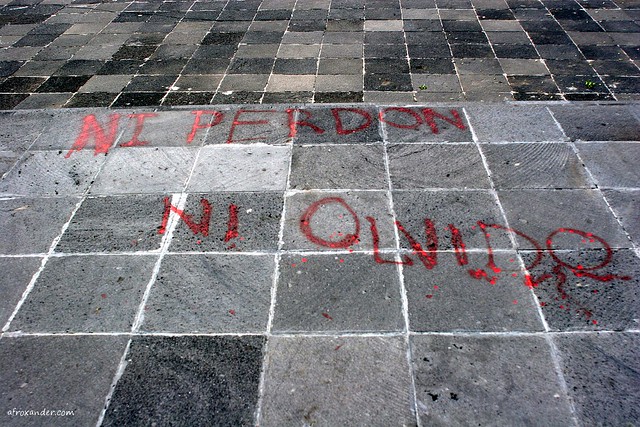
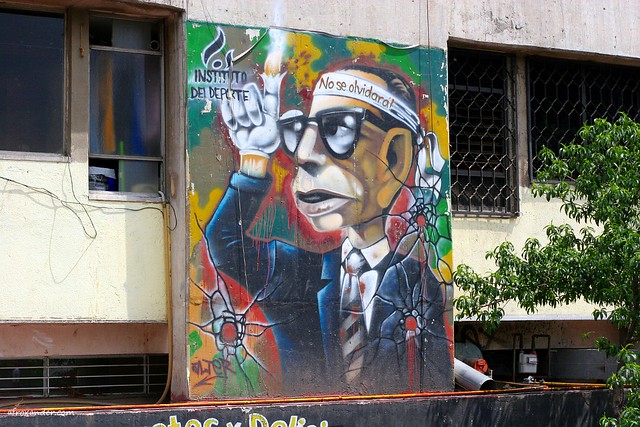
The Plaza De Las Tres Culturas in the Mexico City neighborhood of Tlatelolco is one of the most important historical sites in the country. The site is known by that name because it is home to the three cultures of Mexico: Indigenous, Spanish, and Mestizo (Native & European descent). There’s a large stone slab that marks the area as the “painful birthplace” of Mestizos and, thus, the birthplace of modern Mexico.
It’s also the site of Tlatelolco Massacre of 1968. Thousands of students convened at the plaza on October 2nd of that year to continue their protests against the policies of president Gustavo Diaz Ordaz and the PRI. Military snipers fired at their own servicemen in order to provoke their attack on the protestors. The exact death toll is still unknown but numbers vary between 30 to over 300.
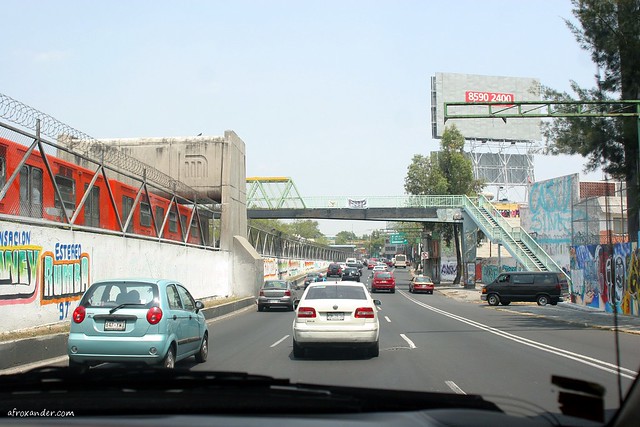
I spent a few hours at the site shooting photos. Click here for the full set and a few of my favorites below:





The Politics of Identity and the Chavez/De La Hoya Fight
Back in February, I spoke with artist Ernesto Yerena for an interview that appeared in Remezcla.
One interesting tidbit that I was unable to include in the article was a portion about the boxing match between Julio Cesar Chavez and Oscar de la Hoya in 1996. Yerena talks about how the fight exposed him to the complexities of identity among Mexicans on both sides of the US/Mexico border, which he lived near in El Centro, CA.
Listen to the audio below:
Not Dead; Just Busy
I’ve been in Mexico since last Saturday, March 22nd, and have enjoyed every second of it. I’ll be here until April 2nd when I’ll fly out of Mexico City and into Phoenix, AZ for the Mexico/USA game.
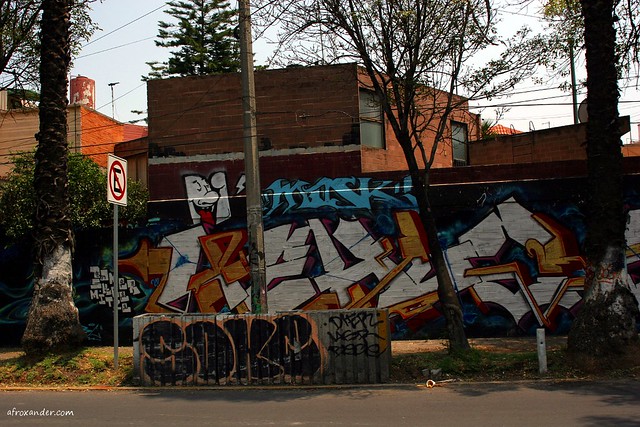
Below is a photo from a neighborhood in Tonalá near Guadalajara, Jalisco. I spent three days there before moving on to Mexico City with the main purpose of covering the Vive Latino festival.
More updates soon.

The rise of El Tri-Levisa and the war for Mexico’s football federation
This story originally appeared on Voxxi.

As the Mexican national team took out its World Cup qualifying frustrations on low-ranked New Zealand last week, Sports Illustrated journalist Grant Wahl took to Twitter to describe the months-long drama as “the best telenovela ever.” He may be more correct than he realizes if sports journalist Miguel Pazcabrales is right.
Pazcabrales has outlined in his column Los Demonios Del Deporte what he believes is the return of Televisa’s hand in controlling the Federacion Mexicana de Futbol Asociacion (FMF).
Much like the return of the Partido Revolucionario Institutional (PRI) to power, the conglomerate is the ousted hand of power that has returned to rock the cradle.
“I no longer believe that it’s a coincidence,” exclaims Pazcabrales, “that every time the World Cup draws near, Mexico is always at risk of not qualifying.”
He cites as evidence El Tri’s rescue at the hands of Javier Aguirre from the failures of Sven Gorak-Eriksson and Enrique Meza and the intervention of Manuel Lapuente in the run-up to the World Cup ‘98.
The current managerial crisis that has seen four managers take over El Tri in a little over a month is an exaggerated, almost cartoon-like version of Televisa’s past attempts at creating drama on a national scale with football as its main protagonist.
Through shrewd, opportunistic maneuvers, the largest multimedia company in Mexico (and second largest in Latin America) has worked behind the scenes to “rescue” the federation and the national team on various occasions, purposefully creating a real-life soap opera surrounding the country’s pastime in order to advance their profits by controlling broadcasting rights and bombarding Tri fans with merchandise, advertisements, and more.
The current version of this manufactured crisis begins in 2011 with the appointment of Jose Manuel de la Torre.
Two successful years as coach came to an end in 2013 after a dismal record in the CONCACAF qualifiers and the Confederations Cup.
Luis Fernando Tena took over for one game and Victor Manuel Vucetich lasted two games before being forced out by the FMF (the circumstances of which are incredibly suspicious) in favor of current coach Miguel Herrera.
Herrera, his coaching staff, and his squad of Club America players were loaned to the FMF by its owners to secure Mexico’s place in the World Cup. Unfortunately, this telenovela has more groan-inducing twists than every film by M. Night Shyamalan combined.
Plot twist #1: Televisa owns Club America.
Plot twist #2: FMF president Justino Compean is a former employee of Televisa with stints as head of Club Necaxa and, the cradle of Mexico’s soccer universe, the Estadio Azteca. He was promoted to the biggest seat in the FMF thanks to the collusion of Televisa and its competitor TV Azteca in a bid to protect their mutual interests in football revenue.
Plot twist #3: Billionaire Carlos Slim, owner of TelMex and America Movil, has made numerous maneuvers into Televisa’s territory. He recently purchased Estudiantes Tecos as well as shares in C.F. Pachuca and Club Leon. This gives him extra clout in the FMF (league owners have a vote/say in the FMF’s operations) and the broadcast rights for their games, drawing the ire of Televisa and TV Azteca who were the league’s broadcasting duopoly for many years.
Plot twist #4: Jorge Vergara is the owner of Chivas de Guadalajara, Club America’s fiercest rival. It was long-rumored that Slim was interested in purchasing Chivas plus a few of his other properties. Vergara’s revolving door record with his club’s coaches mirrors the current situation with the FMF.
Plot twist #5: De La Torre coached Chivas (2005 – 2007) before his stint with El Tri.
Plot twist #6: Vergara was Herrera’s most vocal supporter as Vucetich’s replacement.
Mexico’s greatest footballer Hugo Sanchez said it best in a recent column for El Universal where he spoke out against the owners and higher-ups of the FMF for treating his beloved sport as nothing more than a toy for them to make money off of.
“The saddest part of this story…is that people are oblivious,” he said, “and they continue being manipulated and conditioned into believing that the players and the coaches are to blame for this crisis we have befallen. They are absolutely mistaken.”
Unfortunately for Sanchez and Tri fans everywhere, only Televisa knows how this telenovela will end.
The Drug War’s Psychological Impact
Nearly every story about the drug war in Mexico begins with or eventually mentions statistics on the number of persons killed as a result of it. Far too little of them, however, consider the effects of the drug war on those who survive and continue to live through it.

The issue is widespread across the entire country especially in areas such as Ciudad Juarez which have been wracked by violence, kidnappings, extortion, etc. more than most.
As Miriam Wells of Insight Crime points out:
One challenge that Mexico will likely face in the coming years is assessing the true extent of the psychological toll left by the drug war. Asides from enduring kidnappings, gun battles, and other very public displays of violence, many Mexicans must deal with the question of what happened to friends and relatives who have disappeared. The Attorney General’s Office has estimated that over 26,000 people were reported missing between 2006 and 2012.
A story in Al-Jazeera describes the mental toll on medical staff in hospitals and rehabilitation clinics in Juarez but also mentions how the drug war (a.k.a. narco war) has orphaned many children:
“Mental problems really started growing in Juarez three years ago,” says Pastor Jose Antonio Galvan, who runs a mental rehabilitation clinic on the city’s dusty outskirts.
He estimates that 300,000 people in Juarez are facing mental or spiritual illnesses.
“For every person who is executed here, 40 people, including friends and family members, are affected by the ripples,” says Galvan, describing the stress residents face.
Ten thousand orphans are victims of the narco war, he says. Ninety per cent find refuge with other family members, but the remainder become “the next generation of hit-men and criminal minds”.
Galvan explained the situation in Juarez in greater detail in a story in the Colorado Statesman:
In the last two years, there have been roughly 7,500 murders. That means that there are tens of thousands of survivors — family and friends — who are in mourning. In addition, thousands of orphans live on the streets or in tapias or abandoned houses. “They are children of sadness, of hate,” El Pastor says. Since they have no education, no work skills and no family support, they are easily recruited into the dozens of gangs that make Juárez so dangerous.
US News published a story on the mental effects the war, as well as poverty, and how it affects children in Juarez:
Researchers looked at the mental health of children and teens living in El Paso, Texas, and Ciudad Juarez, Mexico, in 2007 and again in 2010. All of the children were Mexican or Mexican-American and lived in homes below the poverty level. None had a history of diagnosed mental illness.
The psychosocial and behavioral scores of the children in El Paso did not change significantly between 2007 and 2010. However, the children in Ciudad Juarez showed significant increases in social problems, rule- breaking and aggression scores over the study period.
…
“There is cumulative harm to the mental health of children from the combination of collective violence attributed to organized crime and poverty,” study author Marie Leiner said in an AAP news release.
Ruben Villalpando of La Jornada published a story government research that discovered that 22,000 junior high/middle school students suffer from post-traumatic stress disorder caused by the drug war.
Adicionalmente, más de 22 mil estudiantes de secundaria sufren de estrés postraumático por el duelo de haber perdido a un familiar de forma violenta, presenciar una balacera, pasar por una escena del crimen o escuchar relatos similares.
***translation
Additionally, more than 22,000 junior high students suffer from post-traumatic stress caused by the pain of losing a loved one to violence, by witnessing a shootout, passing by the scene of a crime, or listening to stories of such events.
Studies into this topic are necessary not only to completely understand the effects of the war but also, and more importantly, how to better assist those hurt by it.
 Afroxander (aka Iván Fernández)